Show summary Hide summary
After a gutting end to their deepest post-LeBron playoff run, the Cleveland Cavaliers’ offseason has tilted toward continuity rather than a full teardown. Recent moves — and non-moves — suggest the franchise is prioritizing stability over dramatic roster surgery, a choice that raises immediate questions about flexibility and title prospects.
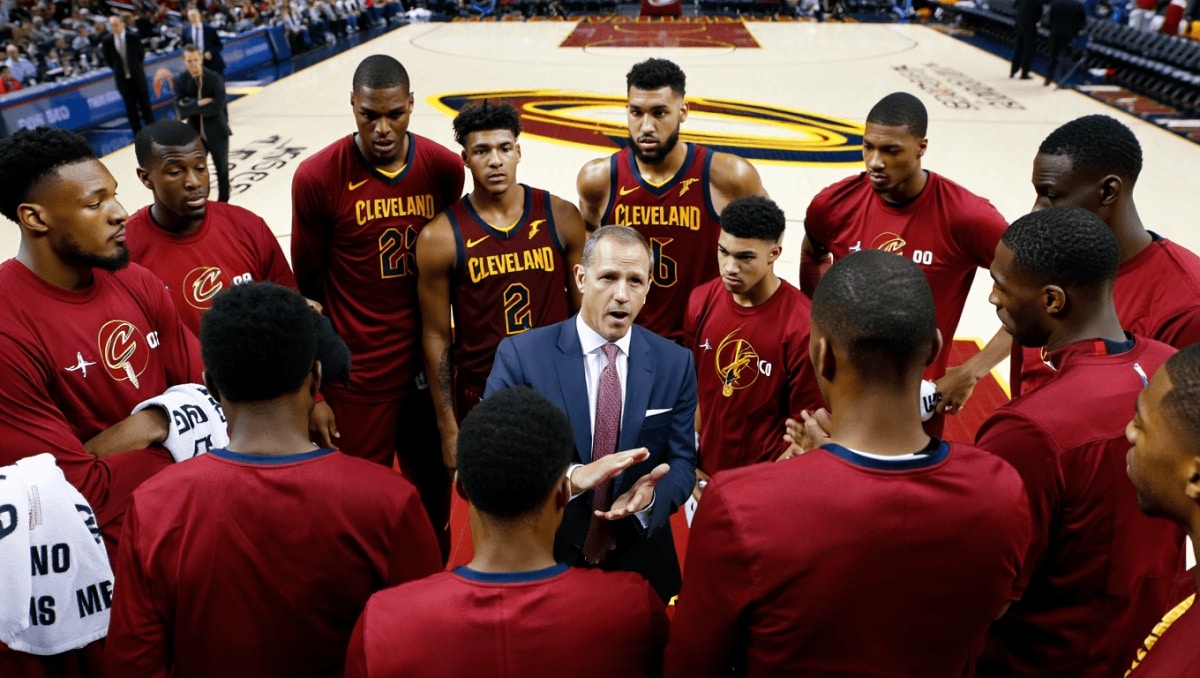
The most concrete decisions landed quickly. Cleveland announced that head coach Kenny Atkinson will remain, ending speculation about a high-profile replacement. At the same time, veteran guard James Harden declined his player option and appears poised to re-sign on a shorter, reduced deal, a move that has pushed the Cavs under the NBA’s second apron and tightened their financial room to maneuver.
Those developments intersect with two lingering storylines: trade chatter involving Evan Mobley and franchise-altering players such as Giannis Antetokounmpo, and doubts about whether the pairing of Donovan Mitchell and Harden is a sustainable backcourt formula. Both ideas have animated the rumor mill, but salary constraints and the team’s choice to keep its coaching staff make sweeping changes less likely in the near term.
Michael Page dropped from UFC rankings despite victory: what it means for his career
Viral video shows 81-year-old delivery worker struggling with heavy luggage
What has happened — and why it matters
From a practical standpoint, the Cavs’ actions limit their immediate options. Landing under the second apron triggers harsher tax penalties and reduces trade flexibility, especially for deals involving large salaries. That complicates any effort to pursue a max-level star without shedding significant salary or draft capital.
- Kenny Atkinson retained: Coaching continuity gives the team time to correct tactical issues without another transitional season.
- Harden opts out and likely re-signs: Shorter, cheaper contract rumored (around three years, roughly $90 million) — eases long-term risk but locks in a substantial salary.
- LeBron James unlikely to return on a minimum: Reporting indicates LeBron won’t accept the veteran minimum to finish in Cleveland, removing one potential blockbuster fit.
- Payroll constraints: Crossing the second apron limits trade flexibility and increases luxury tax exposure.
- Roster outlook: Outside of a backup point guard or center upgrade, the group that finished the season looks likely to open 2026 intact.
Keeping Atkinson and Harden signals trust in the core’s ability to improve through continuity and chemistry. That approach has precedents in the league: some teams have benefited from letting a group mature rather than immediately tearing it down. Still, it’s a measured gamble — one complicated by the Cavs’ current payroll position and by the NBA’s tightened anti-tanking rules, which make a full-scale rebuild less straightforward and more costly.
There are real trade-offs. Staying the course preserves the team’s existing talent and depth, but it also postpones a potential reset that might be necessary if the roster’s ceiling is limited. With the Raptors, Knicks and Thunder showing how differently playoff trajectories can evolve, Cleveland’s front office appears to have concluded that incremental change — rather than wholesale reconstruction — is the safer path for now.
Short-term outlook and what to watch
Expect a slow-burning offseason. Exact contract terms for Harden should emerge in the coming weeks, and any future trade ambitions will hinge on whether the Cavs can free salary without incurring crippling tax penalties. Watch for moves that add a complementary backup guard or a rim-protecting center — the two spots most frequently discussed as likely upgrades.
For fans, that means the start of next season could feel familiar: a core that nearly reached the conference finals remains mostly intact, coached by the same staff and still aiming to translate regular-season promise into postseason success. Whether that continuity produces a deeper run or simply prolongs mediocrity will depend on internal adjustments, health and how aggressively ownership is willing to accept the financial consequences of chasing an immediate title contender.
Ultimately, Cleveland has chosen patience over dramatic reinvention. In an era where the league’s financial rules make rebuilds costly and uncertain, the Cavs are betting that incremental improvement — rather than starting over — gives them the best short-term path forward. That calculation will define this offseason and shape expectations for 2026.