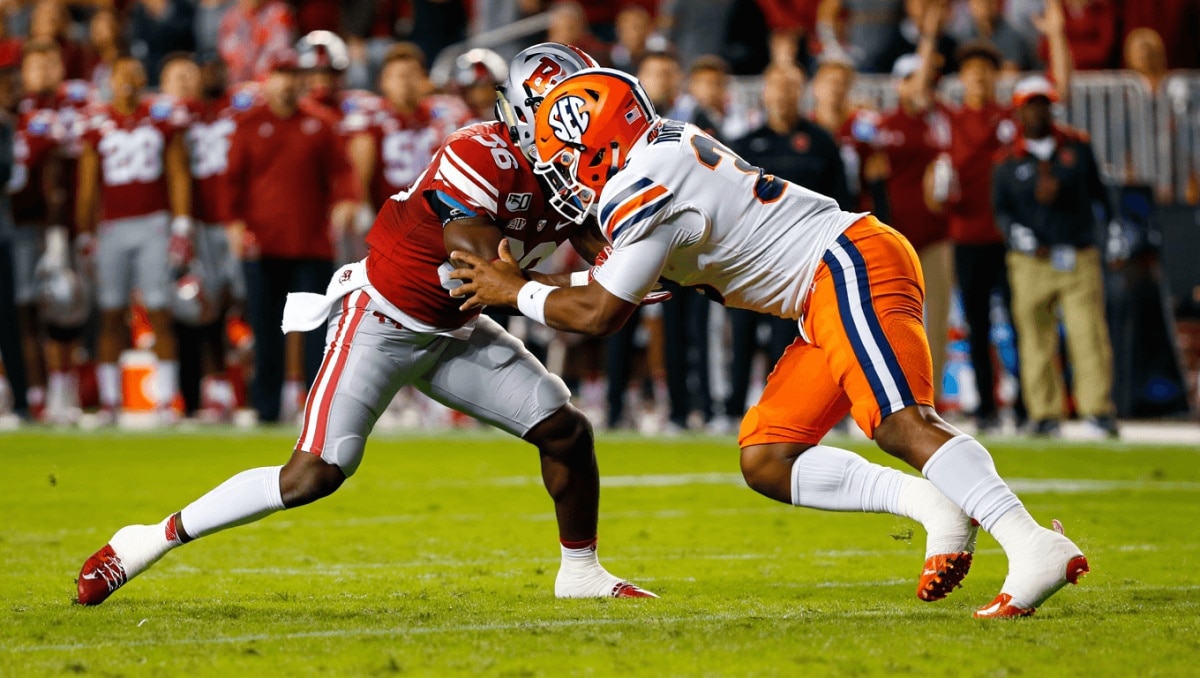
As the SEC moves to a nine-game conference slate in 2026, the long-running debate over which league truly dominates college football has resurfaced with new urgency. Recent postseason outcomes and a wave of coaching changes have shifted momentum toward the Big Ten, forcing fans and committee members alike to reevaluate assumptions about strength and selection.
The SEC’s reputation as the sport’s standard-bearer was forged during the Nick Saban era, when the conference regularly supplied national finalists and champions. That dominance has eroded in recent seasons, however, as the Big Ten’s elite programs have repeatedly outperformed in the College Football Playoff era and bowl window.
At the same time, the Big Ten has improved its mid- and lower-tier depth through shrewd hires and program investment. Those moves matter: a conference’s top half can only carry so far if the rest of the league is noncompetitive. The Big Ten now looks deeper across more roster spots, reducing the advantage the SEC once enjoyed from having high-end and high-floor teams in the same league.
Michael Page dropped from UFC rankings despite victory: what it means for his career
Viral video shows 81-year-old delivery worker struggling with heavy luggage
Why the nine-game schedule matters
Adding a ninth conference game shifts scheduling realities for every SEC program. More intra-conference matchups mean fewer opportunities for soft non-conference wins and a tougher path to an unblemished record. Critics worry that a heavier SEC slate could leave teams with more losses on paper, which in turn might affect how the selection committee evaluates resumes.
That anxiety is understandable but overstated. Other Power Five leagues have used nine-game conference schedules for years without seeing automatic penalization by the committee. Still, perception matters: a three-loss SEC team will face greater scrutiny if those defeats come against conference rivals rather than marquee out-of-conference opponents.
The broader issue is that playoff expansion has diluted the regular season’s stakes. As the field grows, there is increasing pressure to include big-name programs even when their records are inferior to one- and two-loss teams from other conferences. If the postseason is going to keep growing, the regular season needs clearer value signals — or the integrity of selection will feel arbitrary.
It’s also worth noting how postseason performance influences narrative. This past bowl cycle, many observers pointed out that the SEC failed to convincingly assert superiority over other power conferences in marquee matchups. That fleeting perception, whether fully justified or not, feeds the argument that the Big Ten’s top tier is currently the more formidable group.
Financial dynamics complicate the picture further. Rising NIL commitments and conference revenue distribution have narrowed gaps between leagues, so talent pools are spreading. The redistribution of money makes it harder to assume automatic superiority for any single conference, and it increases the value of coaching and institutional strategy.
- Committee calculus: Fewer non-conference cupcakes means the selection committee will weigh intra-conference results more heavily.
- Scheduling strategy: High-profile non-conference games will matter more as teams try to balance a tougher conference slate with opportunities to build a resume.
- Coaching hires: Turnover and targeted coaching investments can quickly reshape a conference’s middle tier.
- Fan stakes: More meaningful conference games should increase interest, but they also raise the risk that traditional powerhouses miss out on postseason privileges.
What should viewers watch this coming season? Track how the SEC programs handle the increased intra-conference load, and watch whether the Big Ten’s depth holds up when key teams face adversity. Pay attention to the committee’s language and seeding choices after marquee matchups — those decisions will reveal how much weight is being given to the new scheduling realities.
Ultimately, this is less about declaring a permanent winner than recognizing a shifting balance. The Big Ten’s recent results and strategic hires have narrowed — and in some arguments overtaken — the SEC’s once-clear lead. With a revised conference schedule coming and postseason formats continuing to evolve, the sport is entering a period where regular-season performance will need to speak louder than reputation.