Show summary Hide summary
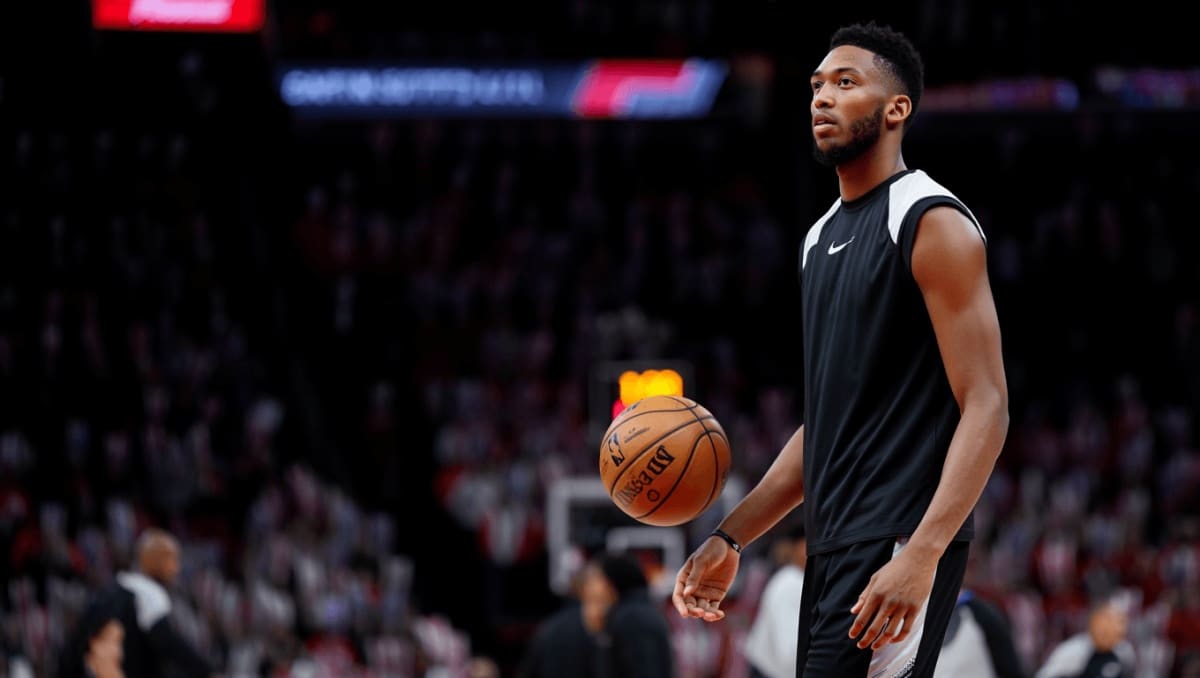
The San Antonio Spurs enter a winner-take-all clash with the Oklahoma City Thunder on Saturday night as a low-priced but compelling pick to capture the NBA title — not because they are favorites, but because market prices make them an attractive long shot. With the series decided by a single game, bettors and observers are weighing the odds from prediction markets that convert prices into implied probabilities.
Market view: odds and what they mean
On prediction exchange Kalshi, contracts that pay out if the Spurs win the 2026 championship are trading near $0.27, implying roughly a 26% chance of winning the title. By contrast, Oklahoma City’s contract sits higher — around a $0.43 implied probability — and the Thunder also lead Kim’s internal Game 7 projections: they’re assigned about a 59% chance to close the series at home.
Michael Page dropped from UFC rankings despite victory: what it means for his career
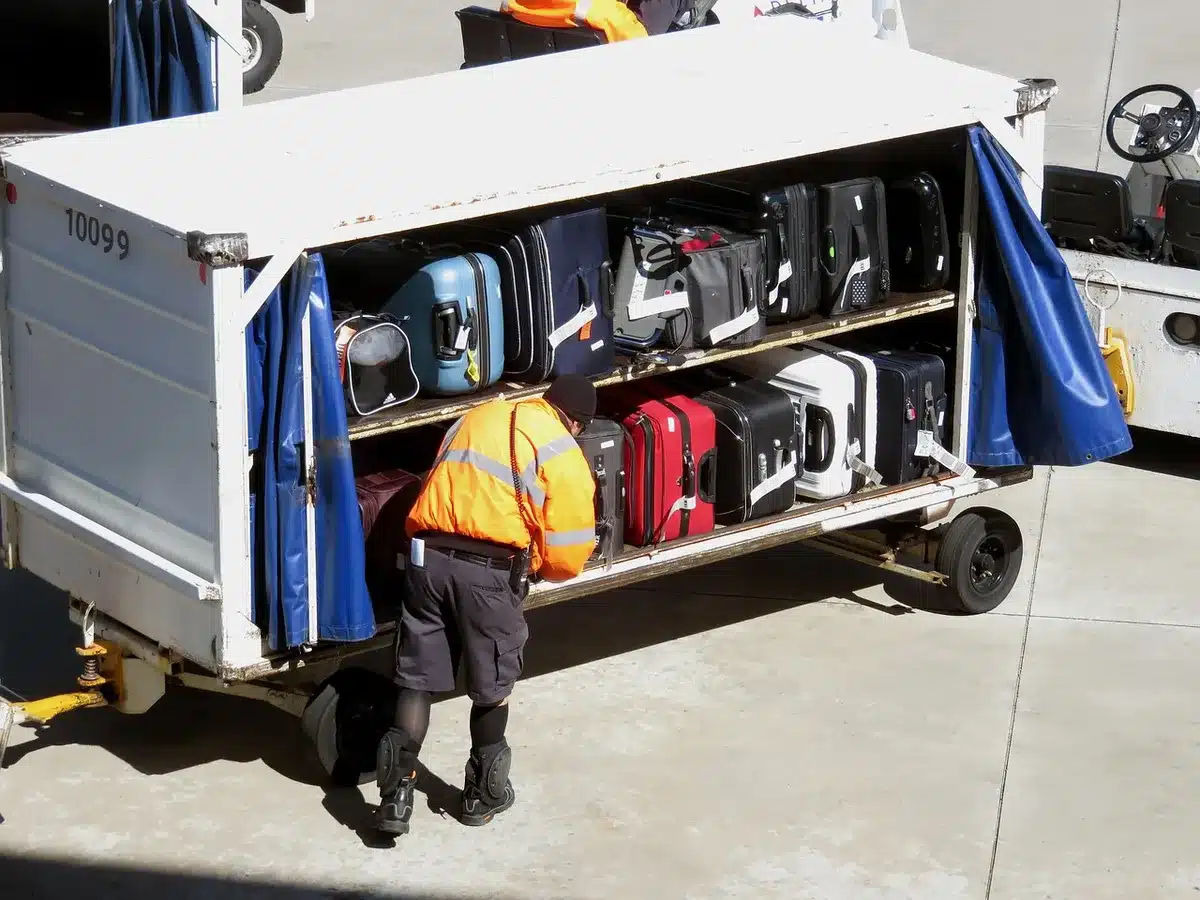
Viral video shows 81-year-old delivery worker struggling with heavy luggage
Put simply: the market rates the Thunder as the clear favorite overall, but the Spurs’ lower price creates a disproportionate potential payout for anyone who thinks Game 7 will swing the other way.
Why this looks like value
Single elimination moments distort probability. A Game 7 becomes as much about momentum, matchups and execution on a single night as it is about season-long quality. Even if Oklahoma City has been the most consistent team this season, a tightly contested series can flip on a few plays — and that uncertainty is where the Spurs’ price becomes interesting.
- Implied probability: Spurs ~26% (contract ≈ $0.27); Thunder ~43%.
- Game 7 edge: Thunder roughly 59% to win at home, according to the same market.
- Return potential: A Spurs victory yields a larger payout relative to the market stake than backing the Thunder.
- Risk factor: Higher upside comes with a higher chance of loss — Game 7 volatility is real.
For readers tracking the playoffs, the practical takeaway is straightforward: buying into the Spurs now is less about predicting a long postseason run and more about exploiting a market-implied mismatch between risk and reward for a single decisive game.
That mismatch has broader implications. If the Spurs pull off an upset, the championship market would reset rapidly — prices would swing and narratives around roster depth, coaching adjustments and clutch performance would shift overnight. Conversely, a Thunder win would validate the market’s favorite status and compress prices for the remaining contenders.
Prediction markets offer a real-time barometer of collective expectation, but they are not infallible. Home-court advantage, injuries, foul trouble and the small-sample drama of Game 7 all matter in ways models can underprice.
Whether you treat the Spurs as a smart speculative bet or simply an intriguing storyline, Saturday’s game will decide more than a conference final — it will test how much weight markets and narratives should carry when a season comes down to one night.