Show summary Hide summary
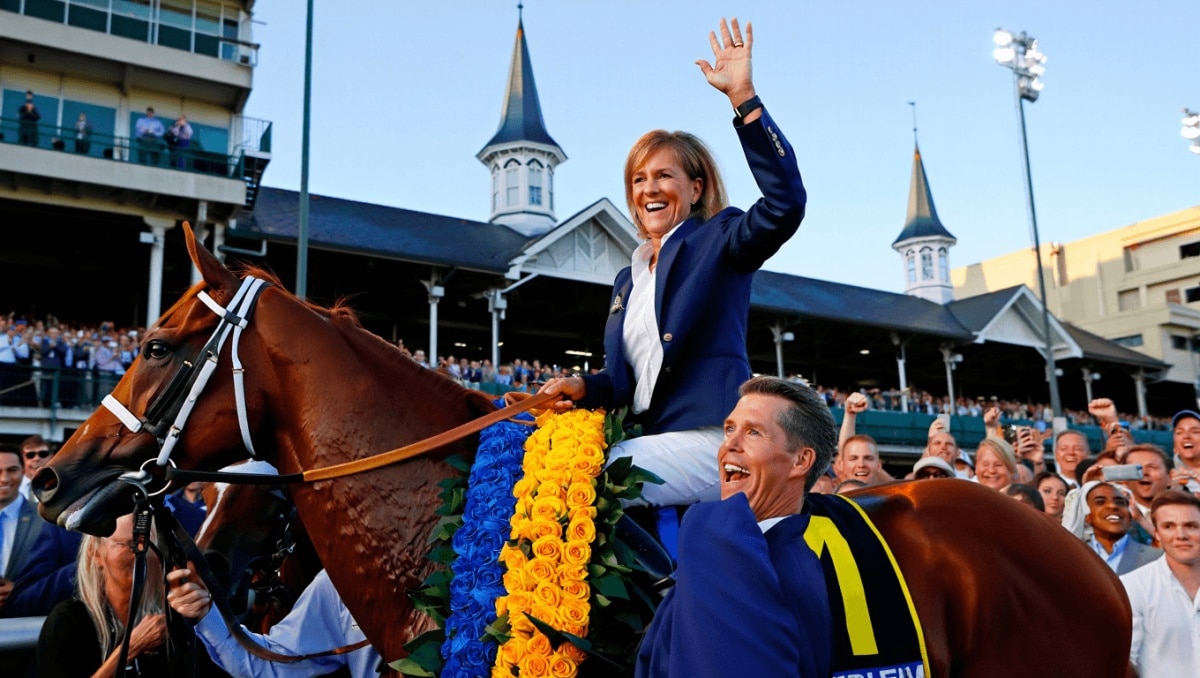
Cherie DeVaux made history at Churchill Downs on Saturday, becoming the first woman to train a Kentucky Derby winner — a breakthrough that shifts attention to both gender milestones in the sport and the split-second decisions that decide America’s most famous race. Her immediate praise went to jockey Jose Ortiz, whose timing and route proved decisive in a chaotic, fast-paced renewal.
How the race came together
DeVaux’s colt, Golden Tempo, drew an outside post and ultimately landed in the 16th slot after late scratches. That wide berth kept him out of the early scrums as the leaders rushed to claim inside position.
Michael Page dropped from UFC rankings despite victory: what it means for his career
Viral video shows 81-year-old delivery worker struggling with heavy luggage
DeVaux said she gave Ortiz a simple plan before the gates opened: don’t overthink it — find room and make the run. After a patient trip at the back of the pack for the first three-quarters of a mile, Ortiz swung Golden Tempo to the outside as the early speed faltered and closed down the favorite, Renegade, to win by a neck.
“It’s almost as if he could script it,” DeVaux told reporters, crediting Ortiz’s sense of timing and course judgment.
The race’s early tempo was blistering, which left the front-runners vulnerable in the stretch and created the opening for a deep closer. Golden Tempo’s late surge exposed how much influence post position, pace and jockey choices still have in a 20-horse field.
- Historic result: DeVaux is the first female trainer to claim the Kentucky Derby title.
- Jockey impact: Jose Ortiz’s patient, outside move proved decisive.
- Race dynamics: Fast early fractions set up a late-closing victory.
- Gate drama: A last-minute scratch forced some horses to reload; Golden Tempo avoided a second trip into the gate.
- Betting surprises: Several horses outperformed morning-line expectations while others faded after early speed.
Incidents and aftermath
Officials scratched Great White moments before the start after the colt unseated his rider and stumbled while being led to the gate. That episode forced a handful of pairs to load twice and added to the pre-race confusion.
Jockey Luis Saez, who rode Commandment to seventh, described the running as messy and congested, saying his mount ran well but was compromised by the scramble for position.
Trainer Brad Cox entered two starters, Commandment and Further Ado; the latter was listed among the post-time favorites alongside Renegade. Despite drawing the historically unfavored inside post — a position without a winner in four decades — the Todd Pletcher-trained Renegade still produced a determined stretch run.
Pletcher noted his colt was pushed from his spot early, rallied strongly and fell just short. “He just didn’t get there today,” he said.
Wagering and surprises
The Kentucky Derby’s large field routinely produces unexpected results and shifting odds. One notable market mover was So Happy, whose morning-line odds suggested skepticism because of pedigree and distance questions. Backers, however, made him the third choice at post time; he stayed close early but faded to finish ninth.
Jockey Mike Smith pointed to an overly aggressive early pace as the reason the colt tired late: the horse expended too much energy in the opening miles.
Last year’s lower payouts and the Derby’s sprawling roster of contenders serve as a reminder: the race remains fertile ground for upsets and narrow finishes.
The immediate consequence is both symbolic and practical. On the symbolic side, DeVaux’s triumph is a milestone for women in training ranks — a visible sign that top-level opportunities and success are expanding. Practically, the result reinforces two perennial truths of classic-distance racing: pace makes the race, and a skilled jockey can alter the outcome in the final furlongs.
Expect conversations to follow about post-position strategy, gate procedures after the late scratch, and whether this victory will open doors for more female trainers on racing’s biggest stages. For now, DeVaux’s win stands as a clear, contemporary landmark in Kentucky Derby history.