Show summary Hide summary
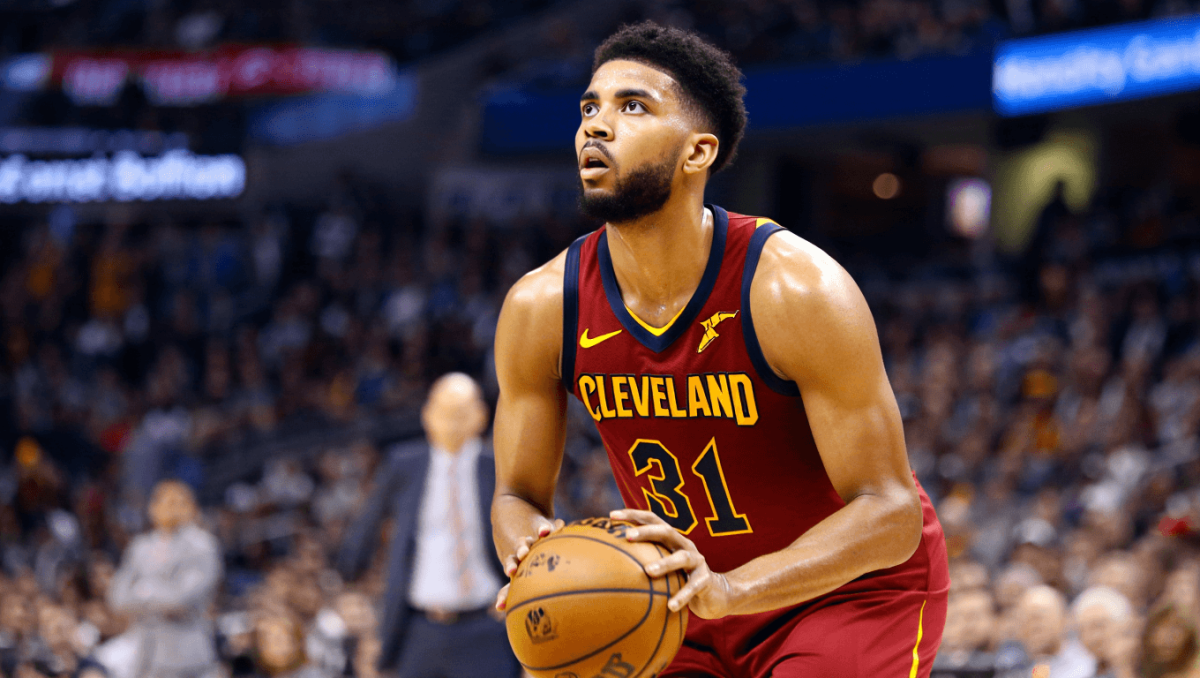
Cleveland’s postseason hopes looked fragile through the opening stretches of the series, but a dominant third-quarter surge flipped momentum and produced a 114-102 victory over Toronto. That late-game response matters now — the Cavs head into the Eastern Conference semifinals with renewed physicality and a clearer sense of what must improve.
Allen’s breakout stretch changes the narrative
Jarrett Allen delivered the kind of interior takeover the Cavaliers had lacked, manufacturing a 14-point, 10-rebound burst in the third period that sparked a decisive 38-19 run. That sequence turned a tightly contested series into a clean win and highlighted a recurring theme: when Cleveland imposes itself on the rim, the offense follows.
Michael Page dropped from UFC rankings despite victory: what it means for his career
Viral video shows 81-year-old delivery worker struggling with heavy luggage
The difference was tangible. The Cavaliers finished the night with a 40-33 rebounding edge and dominated the offensive glass, converting 20 second-chance opportunities to Toronto’s seven. Cleveland also attacked the paint relentlessly, drawing 37 attempts from the foul line and turning physical play into possessions and points.
Harden’s stabilizing role
James Harden wasn’t explosive on the scoreboard, but his approach late in the second quarter—driving into the lane and forcing contact—helped sustain the Cavs’ attack. He went to the line frequently (13 free throws) and protected the ball, finishing with just two turnovers. Those details curtailed Toronto’s transition chances and kept the game in Cleveland’s control.
- Final score: Cavaliers 114, Raptors 102
- Third-quarter swing: 38-19 run that decided the game
- Rebounds: Cavs 40, Raptors 33
- Offensive rebounds: Cavs 20, Raptors 7
- Free throws drawn by Cavs: 37
- Harden: 13 free-throw attempts, 2 turnovers
Through 26 quarters the two teams had produced nearly identical point totals in the series, underscoring how evenly matched the matchup had been. Cleveland’s performance Wednesday offered a clearer identity: more aggressive at the rim, less reliant on late-clock isolation plays, and more willing to finish through contact.
What this win means for the next round
Perhaps the biggest takeaway is tactical: if the Cavs can replicate the same rim pressure and offensive rebounding against Detroit, they should threaten a Pistons unit that struggled to find consistent secondary scoring during the opening round. The matchup shifts expectations — much of the spotlight will fall on Donovan Mitchell.
Mitchell’s production will be a central question. Detroit lacks the same mix of length and disruptive wings the Cavs saw earlier, so the onus is on him to attack the gaps and punish help defense. If he’s unable to consistently force rotations or score through doubles, Cleveland’s ceiling in the East becomes harder to pin down.
Another tactical subplot to watch: Dean Wade held Cade Cunningham in check during stretches of the regular season, and repeating that defensive assignment could blunt Detroit’s primary playmaker again. How the Cavs allocate perimeter defenders and whether they sustain offensive aggression on the glass will shape the series more than any single scoring output.
For Cleveland, the win is both a relief and a reminder. The Cavaliers gained momentum, but the series ahead will test whether Wednesday’s physical approach was a single-game correction or a sustainable blueprint for deeper playoff games.