Show summary Hide summary
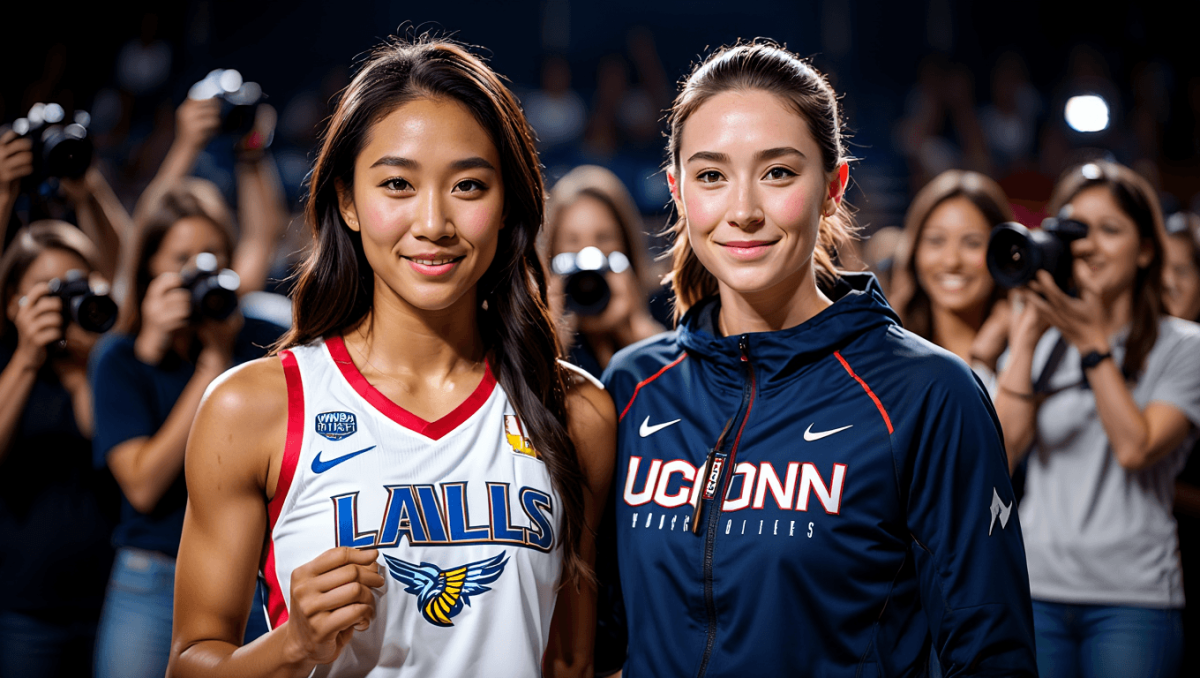
The Dallas Wings used the No. 1 pick on UConn guard Azzi Fudd in Monday night’s WNBA Draft — a move that quickly sparked debate about whether the choice was driven by on-court needs or by her public relationship with teammate Paige Bueckers. The conversation matters now because it touches both roster construction and how teams balance talent acquisition with optics in a small, high-profile league.
Instant reaction vs. basketball logic
Social media reaction was swift: some suggested the Wings selected Fudd primarily because she is dating Bueckers, who was the No. 1 pick last year and is positioned as the franchise cornerstone in Dallas. That line of thinking spread fast, in part because stories that mix personal relationships and professional decisions tend to draw attention.
Michael Page dropped from UFC rankings despite victory: what it means for his career
Viral video shows 81-year-old delivery worker struggling with heavy luggage
But the selection aligns with what many draft analysts predicted. Major mock drafts from outlets including ESPN, CBS Sports and USA Today had Fudd pegged as a top choice before Monday, and her résumé includes a notable collegiate postseason pedigree — she was the 2025 NCAA Tournament Most Outstanding Player.
How Fudd fits the Wings
Viewed strictly from a roster and stylistic perspective, Fudd addresses clear needs for Dallas. The Wings had been seeking more perimeter firepower and backcourt depth; Fudd offers both. Meanwhile, the club used free agency to strengthen its frontcourt, which gave management the flexibility to prioritize a high-upside guard at the top of the draft rather than forcing a positional fit.
On-court chemistry is another concrete factor. Bueckers and Fudd were teammates at UConn and have already demonstrated they can complement each other in high-pressure moments — including a national title run. That familiarity can shorten the integration period when both are adjusting to WNBA rotations and responsibilities.
- Scoring and shooting: Fudd brings perimeter shooting that the Wings had lacked.
- Backcourt depth: Adding another guard helps with rotations and injury insurance.
- Proven performer: Tournament success and mock draft consensus supported her valuation.
- Roster flexibility: Frontcourt acquisitions in free agency reduced the immediate need for a center or forward at No. 1.
- Support and continuity: Having a familiar teammate may ease the transition for both young stars.
Off-court considerations and perspective
It’s reasonable to acknowledge optics when two high-profile players share a personal relationship and now a professional locker room. Still, implying that romantic ties were the exclusive reason for the selection ignores the scouting, positional needs and public consensus that preceded the pick.
Both players are early in their careers — Bueckers is 24 and Fudd 23 — and the benefits of mutual support during the jump from college to professional basketball are tangible. For the franchise, assembling talent that can win immediately while supporting player development is a pragmatic approach, not merely a publicity decision.
Historically, couples playing together in the WNBA are rare, but rarity doesn’t equate to impropriety. What matters going forward is how the Wings deploy the two players, how roles are defined, and whether the move translates into wins on the court.
What to watch next
Expect the early season to reveal the true rationale: will Fudd’s shooting and ball-handling materially improve Dallas’s spacing and offense? Will rotations show a clear, performance-driven plan that justifies the pick? Those outcomes will determine whether criticism fades or intensifies.
For fans and observers, the takeaway is simple: evaluate the decision on results and usage rather than conjecture about personal relationships. The draft pick was supported by consensus scouting and roster logic — now the on-court evidence will tell the rest of the story.