Show summary Hide summary
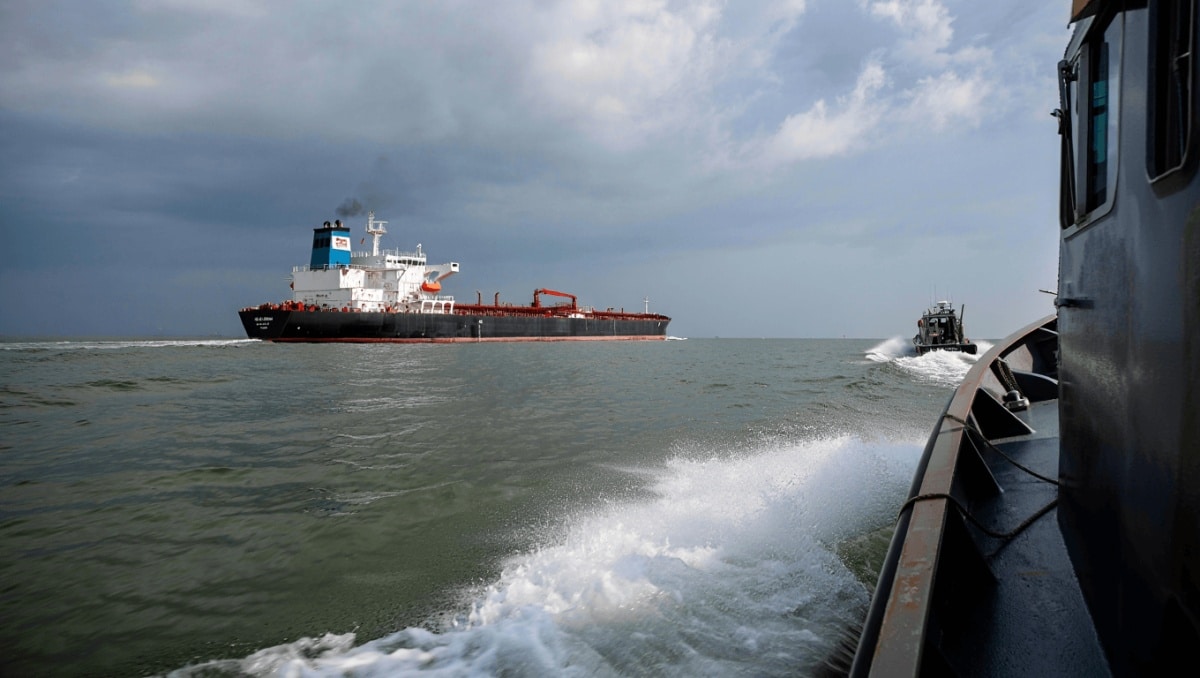
Persistent unrest and heavy commercial traffic in the Persian Gulf are complicating the outlook for fuel costs, making a swift drop in pump prices unlikely. With shipping lanes under close scrutiny and traders pricing in uncertainty, drivers may see only gradual relief rather than a sudden fall at the pump.
Global crude markets are sensitive to disruptions in the narrow waterways linking the Gulf to world markets. Even a short-term incident that delays oil tankers can tighten supply expectations, and those expectations feed directly into retail gasoline prices.
Why this matters now
Maritime congestion and geopolitical friction matter because they change how quickly crude reaches refineries. That affects refining schedules, inventory levels and the degree of competition among suppliers — all factors that determine what consumers pay at service stations this month and next.
Michael Page dropped from UFC rankings despite victory: what it means for his career
Viral video shows 81-year-old delivery worker struggling with heavy luggage
Refineries have limited flexibility: they operate on planned crude deliveries and maintenance cycles. When shipments are rerouted or slowed, refineries may lean on inventories or curtail output, both of which tend to keep wholesale fuel costs elevated.
Key forces keeping prices firm
Several dynamics are reinforcing upward pressure on fuel costs even as seasonal demand cools in some markets:
- Shipping risk premiums: Insurers and traders charge more when passage through key chokepoints is seen as risky, pushing spot crude and refined-product prices higher.
- Inventory caution: Buyers reduce the speed of destocking until flows normalize, which slows price declines.
- Refinery constraints: Planned outages and slower crude arrivals limit near-term gasoline output.
- Market sentiment: Financial traders often hold positions that amplify price moves when geopolitical headlines arise.
These factors interact. For example, a temporary diversion of tankers adds transit time and cost, which feeds into trader hedging and can keep wholesale gasoline elevated for weeks.
| Factor | Expected effect on prices | Likely duration |
|---|---|---|
| Maritime incidents or naval tensions | Immediate spike in risk premium | Days to weeks |
| Rerouting of tanker traffic | Higher transport costs; slower deliveries | Weeks |
| Refinery maintenance cycles | Reduced gasoline output | Weeks to months |
| Inventory adjustments | Muted price declines | Weeks |
What consumers can expect
Motorists should anticipate gradual changes rather than abrupt drops. Local pump prices are influenced by wholesale markets, taxes and seasonal demand, so relief at the counter typically lags improvements in crude market sentiment.
For planners — from fleet managers to policymakers — the most practical response is preparedness. Higher-than-expected fuel costs can ripple into transportation budgets and consumer prices for goods that rely on road freight.
Smaller countries and import-dependent regions feel the squeeze more acutely because they have fewer domestic sources and less capacity to buffer supply interruptions. In contrast, markets with larger strategic reserves or flexible supply chains can absorb shocks more quickly.
Market watchers to follow
Keeping an eye on a few indicators can help gauge how quickly prices might move:
- Weekly inventory reports for crude and gasoline
- Refinery utilization rates
- Vessel traffic data through key straits and pipelines
- Insurance premium shifts for tanker voyages
These data points signal whether supply flows are stabilizing or if the market is still pricing in elevated risk.
Ultimately, while cooler seasonal demand can pull prices down over time, the combination of dense shipping traffic and geopolitical uncertainty in the Persian Gulf makes a rapid drop in gasoline prices unlikely in the near term. Consumers and businesses should expect a slow unwind, punctuated by volatility if new maritime developments occur.