Show summary Hide summary
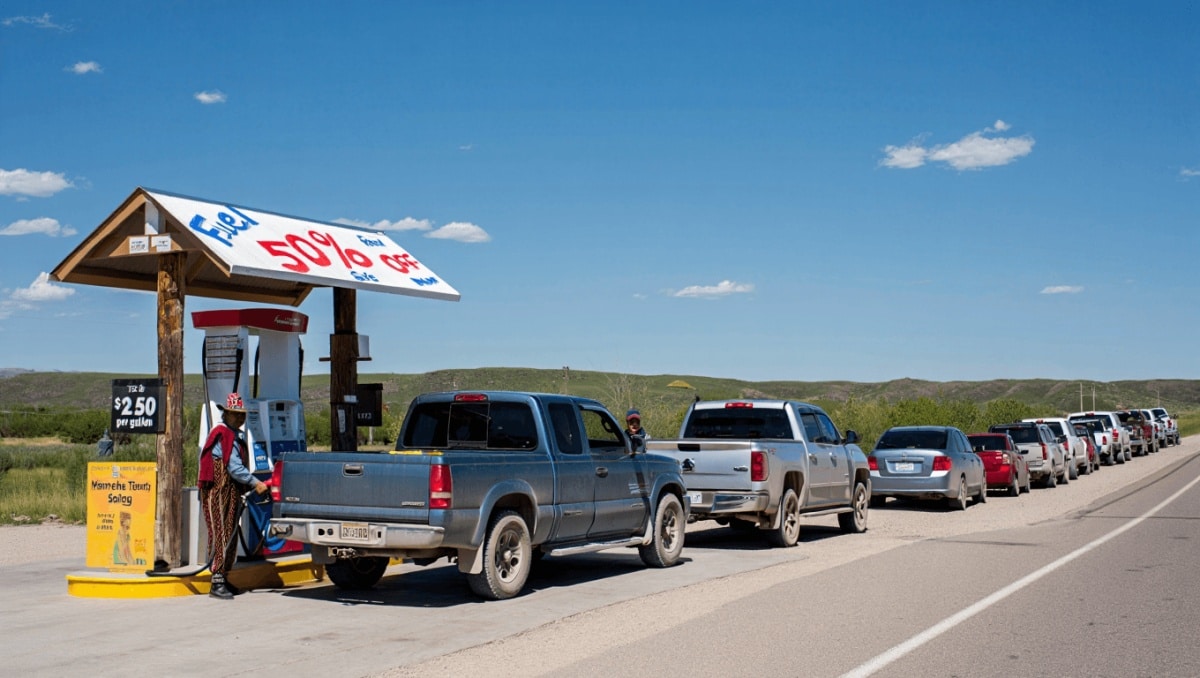
In border areas affected by the recent escalation involving Iran, locally run tribal petrol stations have begun selling fuel at noticeably lower prices, offering immediate relief to households and drivers facing sharp price hikes. The phenomenon is reshaping local markets and raising complex questions about regulation, revenue and long-term supply resilience.
Local supply chains step in where official systems strain
As disruptions ripple through formal fuel distribution networks, some tribal groups have leaned on established community logistics to keep pumps running. These outlets typically draw on small-scale imports, private stockpiles or locally maintained fuel reserves to serve nearby towns and villages.
Michael Page dropped from UFC rankings despite victory: what it means for his career
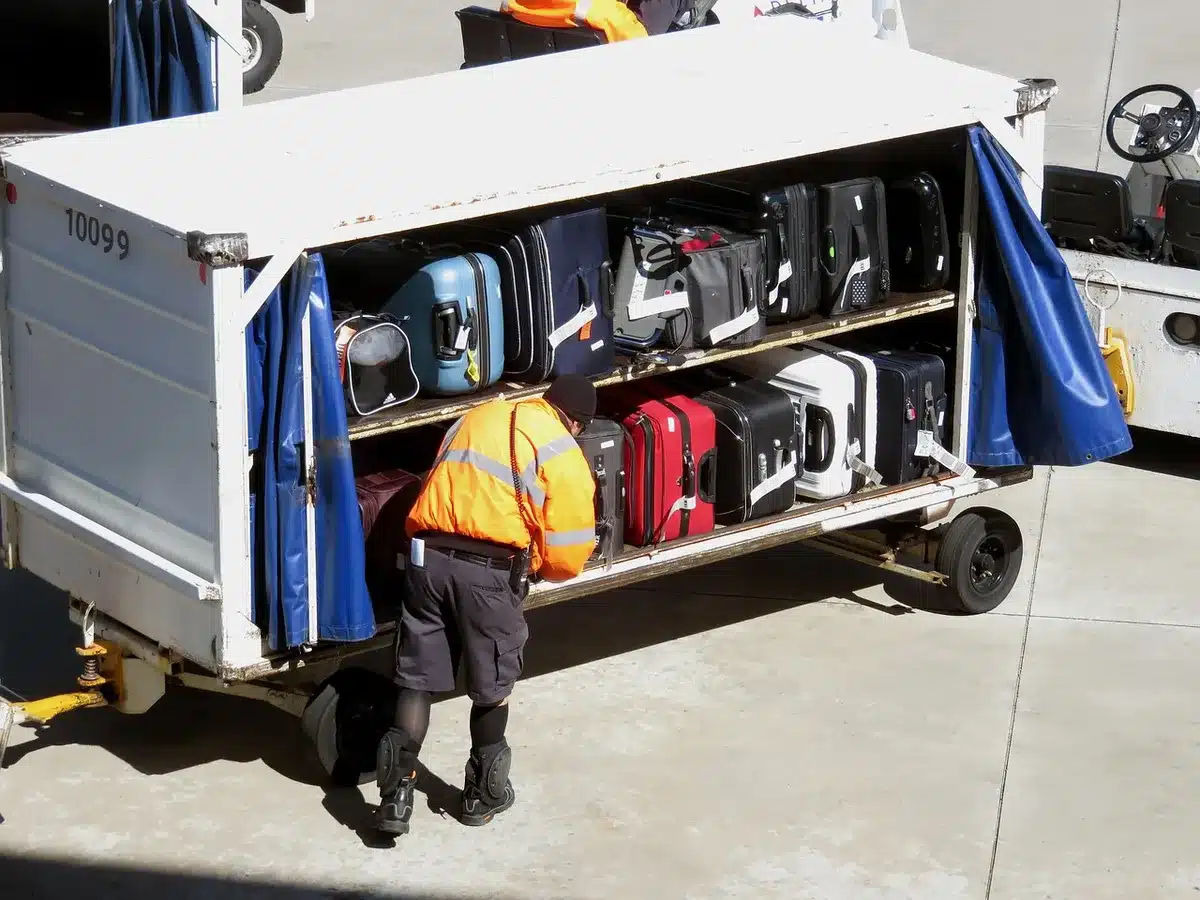
Viral video shows 81-year-old delivery worker struggling with heavy luggage
For residents, the most visible effect is cheaper fuel at the pump and shorter lines at busy times. For governments, the emergence of these outlets creates a difficult trade-off: tolerating them can ease social pressure, but it also complicates tax collection and quality control.
Immediate impacts for people and businesses
- Lower household costs: Reduced pump prices cut short-term fuel bills for commuters and generators, easing immediate economic strain.
- Improved local mobility: Fewer shortages help keep small businesses, markets and emergency services running.
- Variable standards: Fuel quality and safety checks are often inconsistent outside official channels, raising the risk of vehicle damage or accidents.
- Fiscal consequences: Sales outside regulated systems can reduce state revenues spent on social services and infrastructure.
Why tribal stations are expanding now
Three practical forces are accelerating the shift: interrupted national supply lines caused by conflict, sharp spikes in international fuel prices, and long-standing tribal networks capable of rapid distribution in remote areas. These networks can move product quickly and often operate with lower overhead than corporate or state-run stations.
At the same time, some communities view locally managed petrol outlets as a form of economic resilience — and, in some cases, as leverage in negotiations with regional authorities.
Regulatory and security concerns
Authorities face a complex choice. Cracking down could cut off a vital local lifeline and provoke unrest, while accepting informal sales risks unchecked smuggling, safety lapses, and shrinking public finances. The situation can also complicate border security and oversight of cross-border fuel flows.
Security analysts warn that without clearer oversight, fuel channels that emerge during crises can become embedded in local economies, making later re-regulation politically difficult.
Broader implications
The trend underscores a wider economic reality: when national systems are strained by conflict, informal and community-led solutions often expand to fill gaps. That can stabilize daily life in the short term but can also entrench parallel markets that persist after the emergency passes.
For policymakers, the dilemma is how to integrate these ad hoc responses into formal frameworks that protect consumers, safeguard revenue, and preserve supply chains — without disrupting the immediate relief they provide.
- Short-term relief: Lower prices and steadier supply for local populations.
- Medium-term risk: Erosion of regulatory control and tax base.
- Long-term challenge: Reintegration of informal distribution into official markets once the conflict subsides.
As the conflict continues to shape daily life across affected regions, tribal-run petrol stations are likely to remain an important, if contentious, feature of the local energy landscape. Observers say the coming weeks will be critical for how governments and communities negotiate the balance between immediate needs and systemic stability.