Show summary Hide summary
Texas wildlife officials this week confirmed the discovery of a necrotizing parasitic infection in wild elk, prompting health advisories for hunters and landowners as field season ramps up. The finding has immediate implications for anyone handling or processing game: agencies are urging extra caution while tests continue to determine the parasite’s scope and risk.
What authorities are reporting
State agencies have identified lesions on multiple elk carcasses consistent with a tissue‑destroying parasite. Biologists are conducting laboratory analyses to confirm the organism and map where infected animals were found. Results so far indicate the pathogen causes severe local tissue damage in affected animals, and officials describe it as a high‑mortality condition for infected elk.
Joey Weslo: latest updates and what to know today
UFC 334: two championship fights at Madison Square Garden promise a blockbuster night

While investigators work to pinpoint a cause and transmission route, the emphasis from wildlife and public‑health bodies is on prevention and rapid reporting rather than alarm. Preliminary assessments suggest the risk to the general public is limited, but the situation still demands strict handling precautions for hunters, taxidermists and meat processors.
Why this matters now
The discovery arrives during a period of increased human contact with wild ungulates. Hunting and field dressing bring people into close proximity with animal tissues and fluids, which raises the chance of exposure if infected carcasses are handled without protection.
Beyond direct human health concerns, the detection may affect local wildlife management and hunting regulations. If tests confirm a contagious parasite or one that persists in the environment, agencies could consider targeted closures, movement restrictions, or mandatory testing to limit spread.
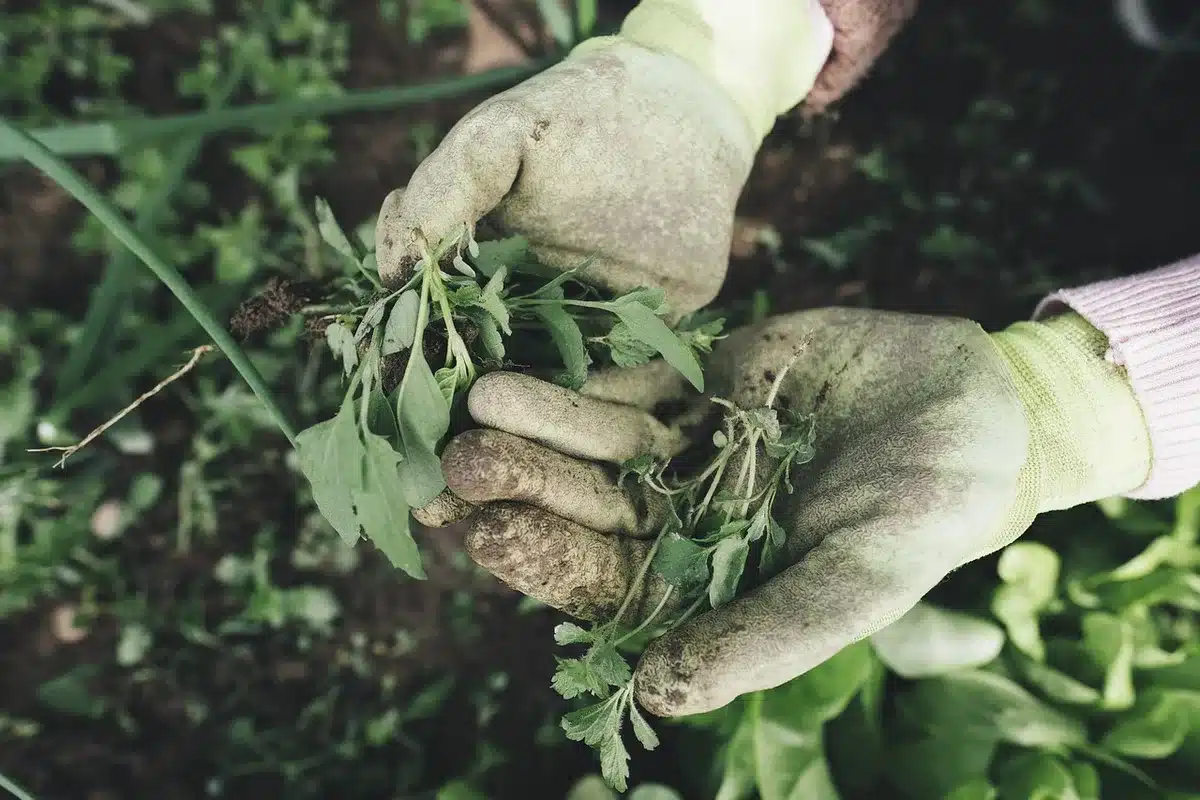
- Wear protective gear: Gloves and eye protection when field dressing or handling carcasses.
- Avoid contact with lesions: Do not cut through suspicious tumors, ulcers or areas of necrosis.
- Do not consume meat that looks abnormal: Discard and report any meat with unusual odor, texture or visible tissue damage.
- Sanitize tools and surfaces: Clean knives, butchering equipment and hands thoroughly after use.
- Report sick or dead animals: Notify local wildlife officials with location details and photos when possible.
- Seek medical advice: If you develop symptoms after exposure, consult a healthcare provider and mention the contact with wildlife.
On-the-ground implications for hunters
Field practices will need to be more cautious. Experienced hunters say routine precautions—gloves, immediate refrigeration, and visual inspection of meat—are now essential rather than optional. Processing centers and taxidermists may implement new intake screening or refuse carcasses displaying suspicious lesions.

Landowners and outfitters should also be alert. Agencies may advise against moving carcasses between properties or to centralized processing facilities until more is known, to avoid unintentionally transporting infectious material.
What to watch for next
Officials expect more detailed laboratory results within days to weeks that will clarify the parasite’s identity and transmission potential. Those findings will determine whether additional public‑health guidance, hunting restrictions, or surveillance measures are necessary.
Until then, the practical steps are clear and measurable: limit exposure, follow sanitary butchering practices, and report anomalies promptly. These actions protect both individual hunters and broader wildlife populations while experts complete their investigation.
Key contacts: Check the Texas Parks and Wildlife Department website or your county wildlife office for updates and reporting instructions. Local health departments can advise if you believe you were exposed.