Show summary Hide summary
New research presented at the ANESTHESIOLOGY 2026 meeting in San Diego suggests that improving sleep in the days before an operation — either with the hormone melatonin or the prescription drug zolpidem (Ambien) — may lower pain scores and reduce short-term opioid use after a range of surgical procedures. The finding points to a potentially simple way to ease recovery, but experts say stronger trials are needed before changing clinical practice.
The authors performed a scoping review of 16 studies published between 2000 and 2025, collectively involving just over 1,100 patients who had abdominal, gynecologic, orthopedic, urologic, dental and other surgeries. Because this review summarizes existing research rather than testing an intervention directly, it maps evidence and signals trends but does not establish definitive treatment recommendations.
Key findings from the review
Across the varied trials, researchers observed consistent patterns linking better preoperative sleep to improved postoperative outcomes:
Joey Weslo: latest updates and what to know today
UFC 334: two championship fights at Madison Square Garden promise a blockbuster night
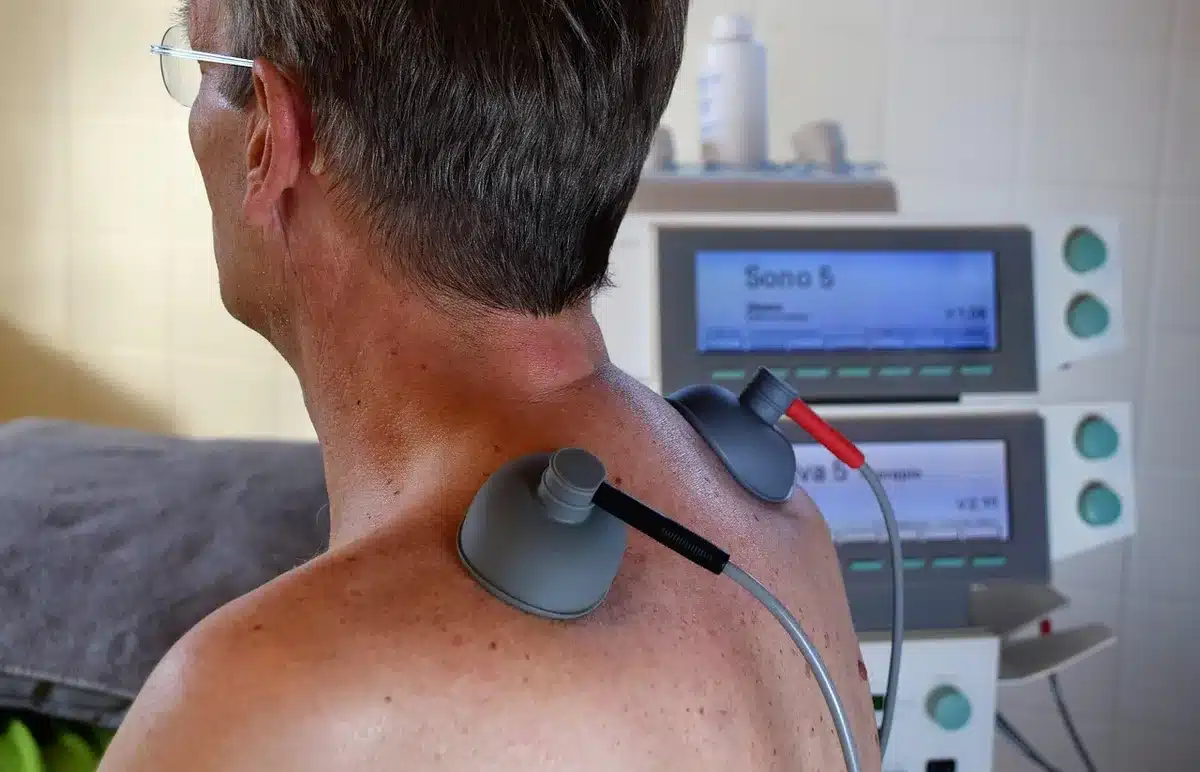
- Melatonin was tied to lower preoperative anxiety, reduced postoperative pain and signs of decreased inflammation; in some abdominal surgery groups it corresponded to more than a 30% drop in opioid consumption.
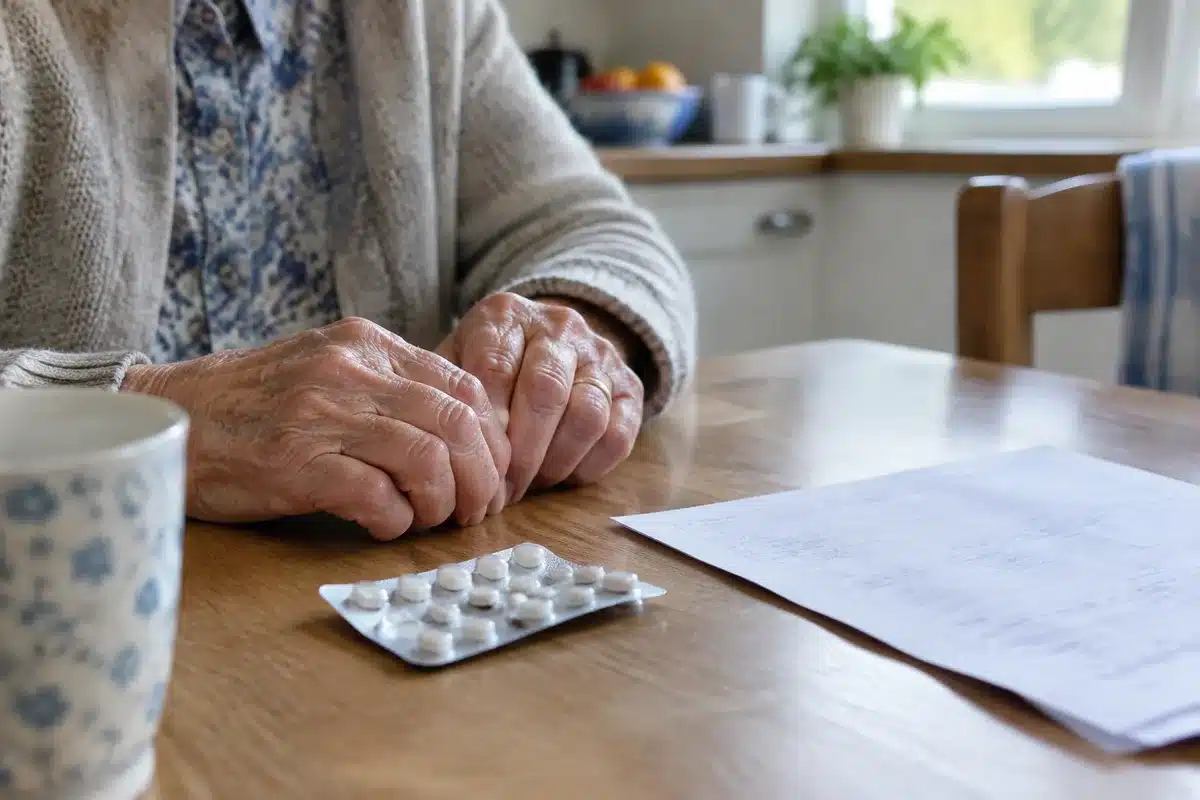
- Zolpidem (Ambien), typically given as a 10 mg dose at bedtime, helped patients with preexisting sleep problems fall asleep before surgery and was associated with less pain and lower opioid needs after colorectal procedures.
- Objective measures in a subset of studies — including activity tracking — suggested faster recovery and improved sleep architecture for patients who received melatonin.
- Benefits appeared particularly relevant for older adults, who may be more sensitive to the cognitive side effects of traditional sedatives.
How the medicines were used
Dosing approaches varied. Melatonin doses reported in the reviewed studies ranged from 1 mg up to 20 mg, administered either the night before surgery or between 20 and 90 minutes before anesthesia. Ambien was consistently used at 10 mg and given at bedtime the night before surgery or for up to two nights prior.
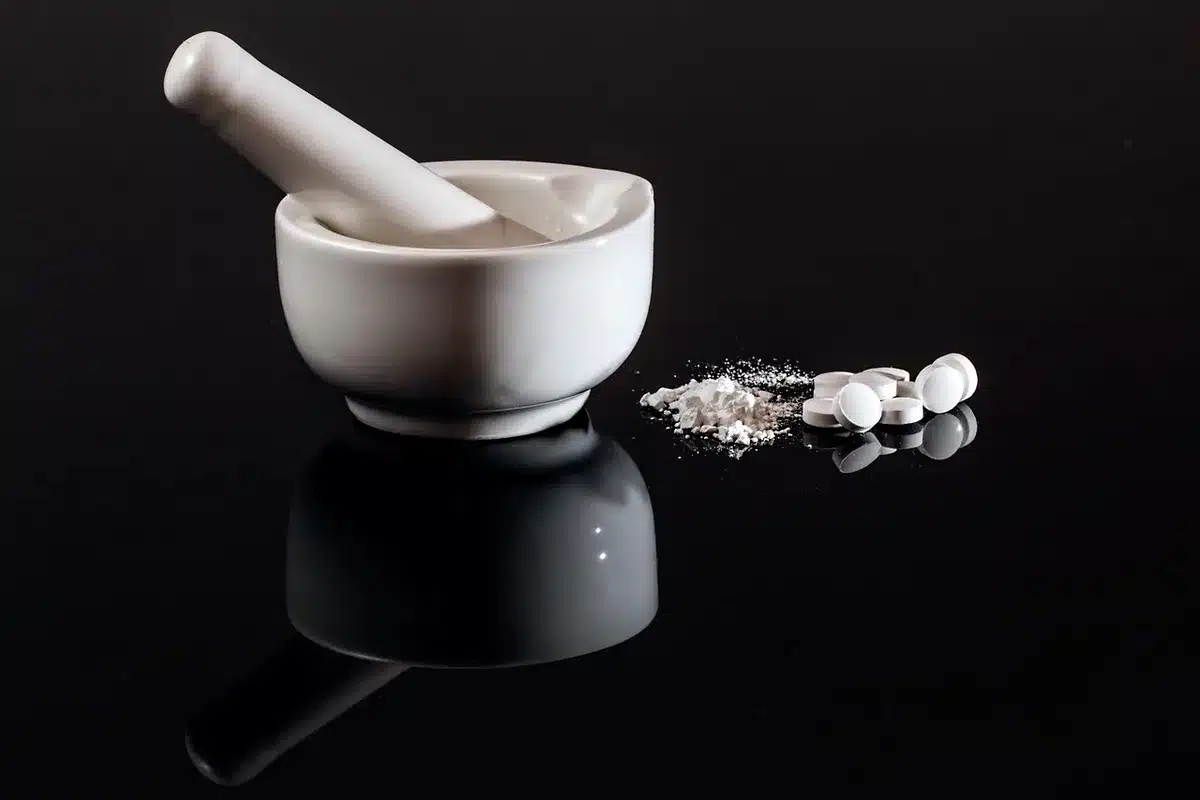
Mechanistically, the two agents act differently: melatonin is an endogenous hormone that helps regulate the sleep–wake cycle, while zolpidem produces sedation by targeting GABA-A receptors in the central nervous system. Sleep itself influences immune function, hormone release and brain circuits that shape how pain is perceived — a likely reason improved sleep before surgery could translate to milder postoperative pain.
What clinicians and researchers say
Dr. Sebastian Amaya of Yale, the senior author of the review, cautioned that most studies measured outcomes only in the immediate postoperative period and often did not include longer follow-up. He emphasized that while the short-term reductions in pain and opioid use are encouraging, larger randomized trials with standardized methods are needed to confirm benefits and safety.
Independent sleep scientist Dr. Wendy Troxel noted the results are plausible but urged caution. She pointed out that sleep medications are not recommended as long-term solutions for insomnia, and that some apparent effects — particularly for melatonin — might reflect expectancy or placebo influences in a stressful setting like surgery.
Limitations to keep in mind
This body of evidence is heterogeneous: study sizes, surgical types, timing and dosages varied, and risk of bias was not uniformly assessed. The review highlights promising signals but cannot establish cause and effect or provide formal clinical guidelines.
Practical takeaways for patients preparing for surgery
- Talk to your care team: Always check with your surgeon and anesthesiologist before using melatonin or any prescription sleep medication before an operation.
- Consider short-term options: For acute preoperative anxiety or short-term insomnia, a brief, supervised course of a sleep aid may be appropriate for some patients.
- Use caution with older adults: Older patients face higher risks of confusion and sedation with many sleep medicines; alternatives and lower doses should be discussed.
- Optimize sleep hygiene: Reducing blue light before bed, limiting caffeine, and creating a quiet, dark sleep environment are low-risk steps that may help recovery.
In short, the review adds to a growing body of work linking sleep quality to surgical recovery and opioid exposure. The findings support the idea that better sleep is a meaningful part of perioperative care — potentially a low-cost, low-risk way to improve outcomes — but they stop short of changing practice until controlled, larger-scale trials provide clearer answers.