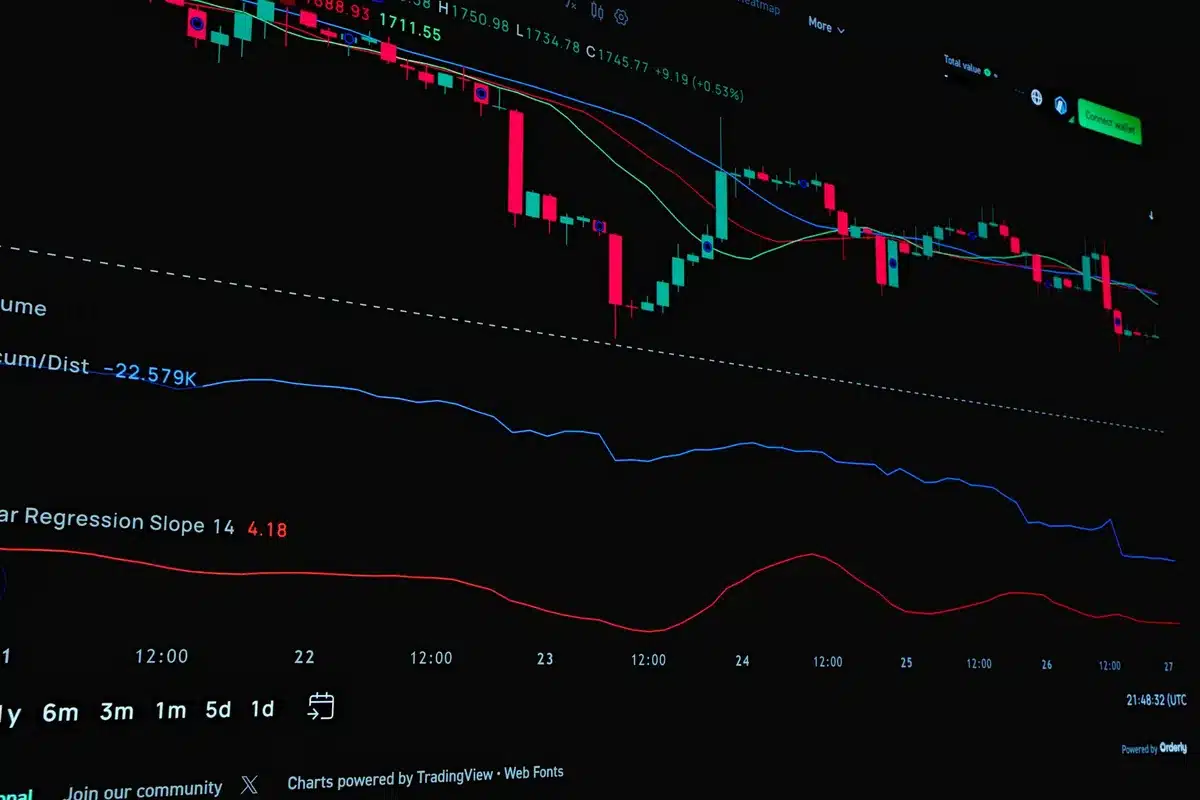
Walmart’s weaker-than-expected update sent ripples through U.S. markets on Friday, knocking major indexes lower and coinciding with renewed strain in the Treasury market. The combination is raising fresh questions about how durable consumer spending is and whether bond investors are recalibrating expectations for interest rates.
What traders saw today
Walmart’s latest results and cautious commentary on sales and margins appeared to sap confidence across retail and broader equities, with investors rotating away from riskier assets. At the same time, the bond market showed signs of renewed tension: trading volumes rose and yields moved decisively — a sign that fixed-income investors are repositioning for a different economic outlook than they held a week ago.
Why the bond market matters now
The bond market sets the price of borrowing across the economy. When Treasury yields climb, mortgage rates, corporate borrowing costs and other credit-sensitive prices tend to follow. That dynamic can amplify the market impact of a large consumer-facing company like Walmart signaling weaker demand or margin pressure. For investors, rising yields can make equities less attractive; for consumers, they can translate into higher rates on loans that touch everyday spending.
US consumer confidence slips: weakening outlook as pump prices remain above $4
NBA teams poised for breakout in 2026-27: six surprise contenders to watch
How Walmart contributed to the sell-off
Walmart’s commentary emphasized tougher comparisons and pressure on margins from rising costs and inventory shifts. Even without a dramatic earnings miss, the tone was cautious enough to undermine investor optimism about retail resilience. That pushed money out of cyclical sectors and heightened sensitivity to macro drivers — notably interest rates and monetary policy.
Market implications and stakes
– Short-term: Increased volatility as traders reassess growth versus inflation risks.
– For equities: Higher yields generally weigh on valuations, especially for growth stocks with cash flows far in the future.
– For consumers: Any upward pressure on borrowing costs could cool retail activity, creating a feedback loop that further affects corporate profits.
– For the Fed: Divergent signals — a large retailer trimming outlook while unemployment and job data stay firm — could complicate the central bank’s path toward easing.
What investors and observers should watch next
– Upcoming economic data: inflation readings and consumer-spending reports will be reinterpreted through the lens of today’s moves.
– Corporate earnings: other big retailers and consumer-facing companies will be watched for confirmation that the trend is broad-based.
– Fed communications: language around rate cuts or persistence in policy will be scrutinized for how it might influence yields.
– Technical signals in bond trading: volume spikes and yield curve moves could hint at whether this is a transient repricing or the start of a longer trend.
Broader perspective
Markets often react to a single company’s guidance as a proxy for wider economic health, and Walmart’s scale makes its tone especially influential. But today’s bond-market pressure should be read alongside other indicators: employment trends, consumer confidence, and inflation measures will determine whether yields continue to drift higher or reverse as investors seek safety.
Key takeaways
– Walmart’s cautious outlook weighed on stocks and amplified risk-aversion.
– The Treasury market showed renewed selling pressure, lifting yields and tightening financial conditions.
– Higher yields can feed back into weaker consumer demand and tougher conditions for corporates.
– Watch economic data and Fed signals: they will be decisive in whether this episode proves temporary or signals a broader shift.
This episode highlights how quickly sentiment can pivot when a major retailer revises its outlook, and how those changes can travel from corporate desks into bond markets and back into the economy.