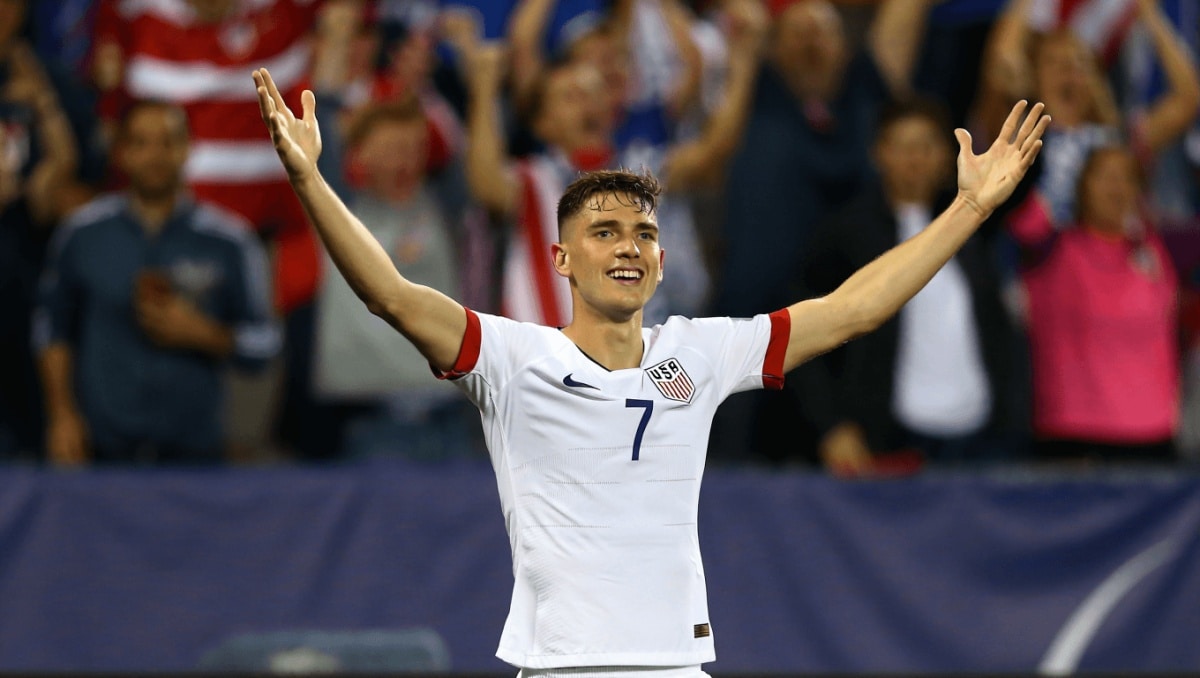
Italy’s absence from the World Cup round of 32 feels less like an isolated shock and more like a symptom: Wednesday’s 2-0 win for the United States over Bosnia and Herzegovina highlighted both America’s rising cohesion and how far Italy’s standing has slipped. The result matters now because it reshapes the knockout path and amplifies questions about long-standing tactical habits in European soccer.
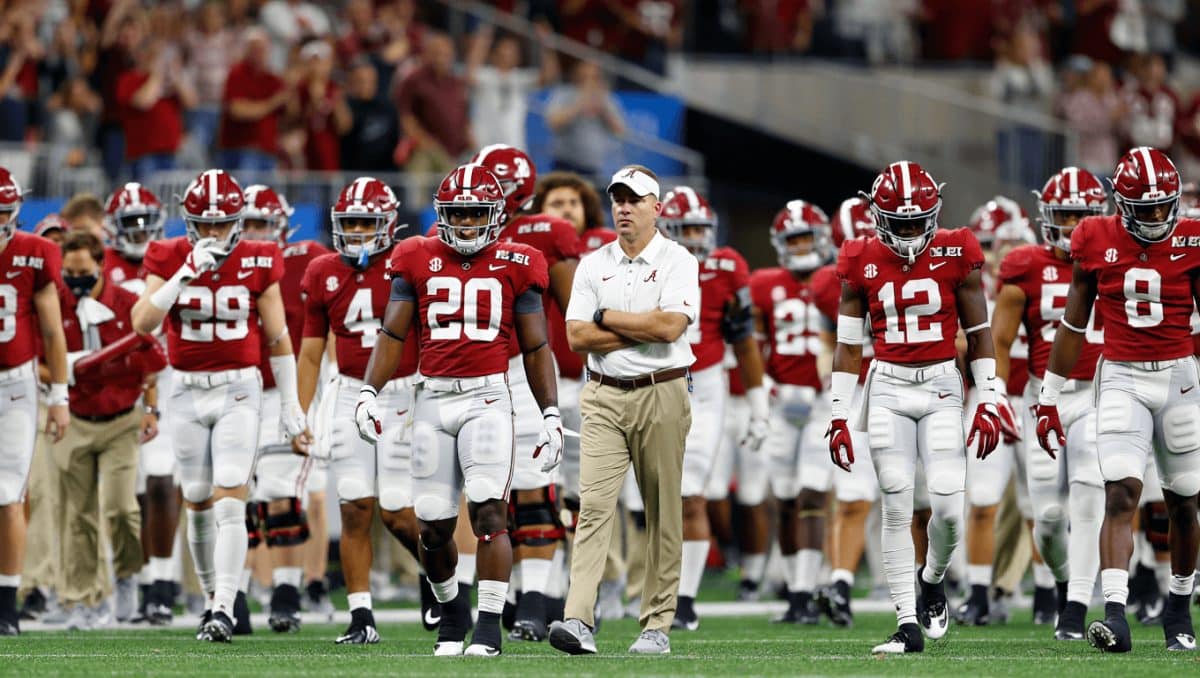
Pochettino’s team closed the match without drama, even after Folarin Balogun was sent off in the 65th minute. The American side never looked panic-stricken; they adjusted to reduced possession and protected their lead with relative ease. That kind of game management is not automatic at a World Cup, and it points to tangible progress under their manager.
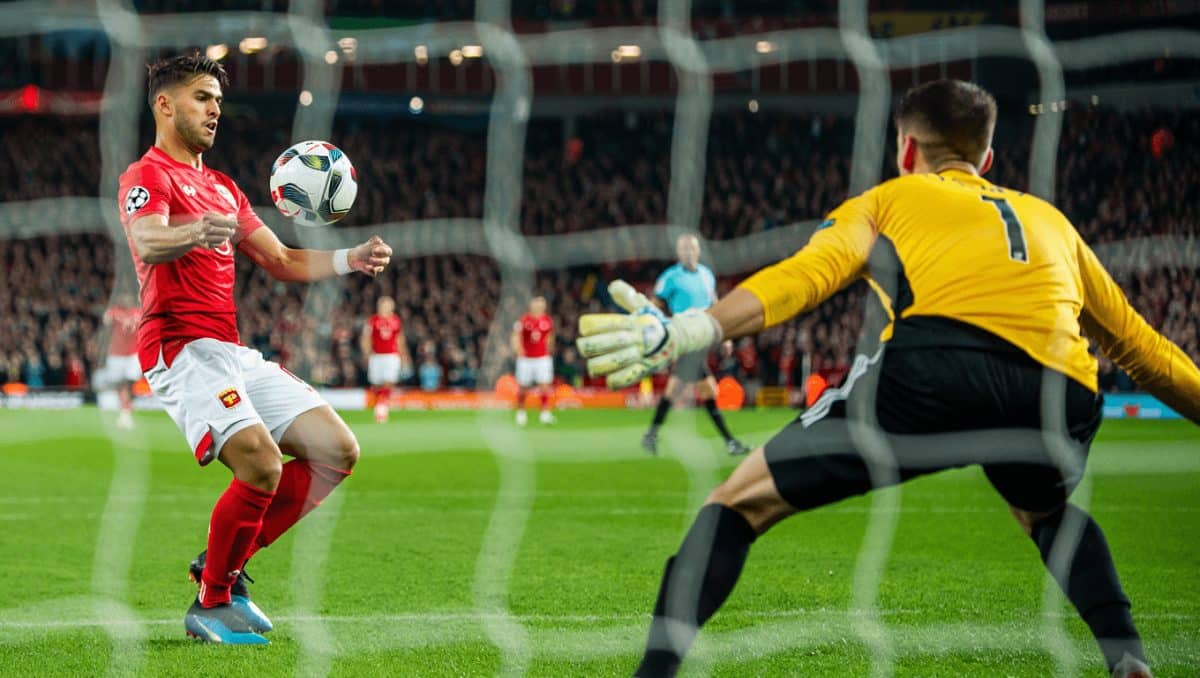
Bosnia’s presence in the tournament, however, raises fresh doubts about the gap between reputation and reality. The Bosnian squad advanced through a favorable group and a low-risk knockout draw, and their path to the tournament included a playoff that effectively exposed how thin Italy has become. The fact that the Azzurri failed to qualify—losing out on spot after a tense playoff that included a red card to Alessandro Bastoni—underscores a broader decline.
Trump hints at imminent Strait of Hormuz agreement: shipping may resume this week
July sports highlights: 10 must-see moments that defined the month
That decline is as much tactical as it is institutional. The old-school, ultra-defensive approach that many associate with Italian soccer—often summarized as Calcio or Catenaccio—has produced diminishing returns against teams willing to push higher and play with more risk. This World Cup has favored forward-minded sides: Lionel Messi, Kylian Mbappé, Harry Kane and Erling Haaland have dominated headlines and goalscoring charts, collectively altering how matches are won.
Still, the U.S. does not possess a single transcendent scorer on that level. What it has shown is a functioning collective: tactical structure married to license for creative moments. That balance allowed them to navigate Wednesday’s match calmly and sets up a far stiffer test ahead.
Immediate implications
Tuesday’s result reshuffles expectations. The Americans now face Belgium in the round of 16, a side with individual quality and knockout experience, and could meet a strong Spanish team in the quarters. For Italy, the absence is both reputational and practical: no Azzurri means one less tactical counterpoint in the tournament and a reminder that long-term trends—coaching choices, youth development, tactical conservatism—are catching up to them.
- For the United States: Confidence boost but a tougher bracket—Belgium next, then possibly Spain.
- For Bosnia: Progress to the knockouts validated by a weak group draw and a decisive playoff run.
- For Italy: Failure to qualify raises questions about the national project and the viability of ultra-conservative tactics.
Other surprises in this World Cup follow a similar pattern. Underdogs that have advanced—Cape Verde, DR Congo among them—did so by committing to attack rather than retreating into defense. Conversely, teams that relied heavily on veteran figures or cautious game plans found themselves exposed.
There is a larger narrative emerging: tournaments increasingly reward forward momentum and creative risk-taking. That shift has immediate effects on match outcomes and longer-term repercussions for how federations train, select managers, and build squads.
Whether this World Cup becomes remembered as the point when a once-dominant Italian model definitively ceded ground to a more adventurous, offense-minded era will depend on results over the next two weeks. For now, Italy’s absence opens the door wider for teams willing to play with purpose—and it gives the United States a chance to prove that collective clarity can compete with individual brilliance.