Show summary Hide summary
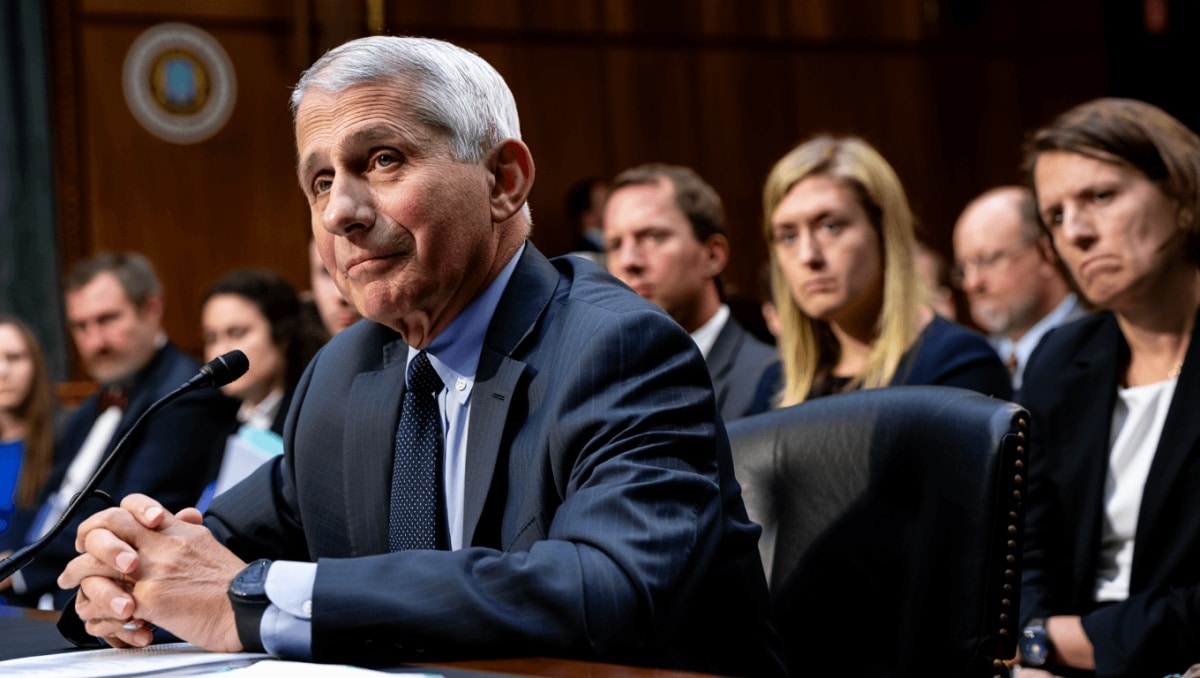
Dr. Anthony Fauci is scheduled to testify before congressional investigators on questions about the origins of the COVID-19 pandemic, a hearing that could sharpen scrutiny of laboratory research practices, federal funding decisions and public health transparency. The session arrives as policymakers and a broader public debate the balance between scientific inquiry and oversight after three years of pandemic disruption.
What Fauci is likely to face
Lawmakers probing the pandemic’s beginnings are expected to press Fauci on the federal role in virus research, how information was shared early in the outbreak, and the criteria used to evaluate hypotheses about a natural spillover versus a laboratory-associated incident. While critics seek clearer answers about U.S. support for certain research projects, allies emphasize the need to preserve scientific inquiry and avoid politicizing routine laboratory work.
Trump hints at imminent Strait of Hormuz agreement: shipping may resume this week
July sports highlights: 10 must-see moments that defined the month
The testimony will also focus on the operations of the National Institute of Allergy and Infectious Diseases (NIAID) and the agency’s oversight of grant-funded studies. Observers say the exchange could influence future rules on research transparency and funding priorities.
Key issues likely to be raised
- Details around federal grants and partnerships that supported virus-related research abroad.
- How early intelligence and scientific data were evaluated and communicated to the public.
- Clarification on the term “gain-of-function” and whether any work met that definition under U.S. oversight.
- Laboratory biosafety standards and whether current safeguards are sufficient.
- Steps to improve record-keeping and transparency so future investigations can proceed more quickly.
Context and stakes
Why this matters now: the hearing could shape both public confidence in health institutions and the direction of future research policy. Lawmakers may pursue legislative changes that tighten grant conditions, increase reporting requirements, or expand oversight of international collaborations.
For scientists and research institutions, the outcome could alter how high-containment work is conducted and funded. For the general public, clearer answers may help settle lingering uncertainties about how the pandemic began and how similar crises might be prevented.
What to watch during the hearing
Pay attention to the tone of questioning and whether new documents or evidence are introduced. Expect exchanges about the timelines of initial U.S. responses, the handling of conflicting theories, and requests for follow-up briefings or materials.
Some members of Congress may call for additional witnesses or subpoenas depending on the testimony’s content. Others may use the moment to advance broader transparency measures across federal science programs.
Perspective
The session is unlikely to deliver a definitive answer on the pandemic’s origin by itself. But it will serve as a focal point for policymaking and public debate—potentially accelerating reforms on research governance and information sharing that could affect global health security.
As the hearing unfolds, observers will be watching for concrete commitments to improve oversight and for any new disclosures that materially change the public understanding of the early pandemic period.