Show summary Hide summary
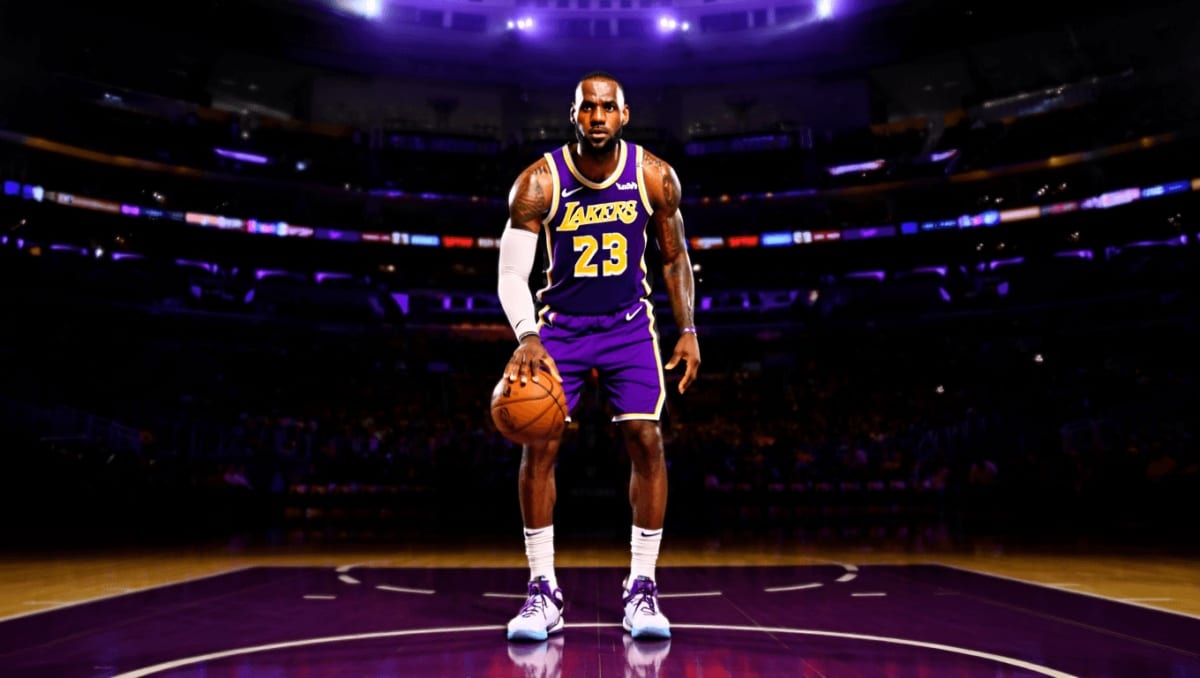
This summer’s free-agency window feels strikingly thin: with LeBron James’ decision still looming, most headline moves have already been settled and the market looks more constrained than chaotic. That shift matters because it reshapes where players can go and how teams will build — and it has turned trade speculation into the season’s most compelling drama.
Late signings and a handful of modest deals have defined the opening days of the period, leaving the league’s traditional scramble for top talent muted. The combination of a tight salary cap and restrictive movement rules means many players who might have expected a genuine choice are discovering their options are limited.
Take the case of rising big men who have outperformed their early career paycheques: in today’s structure, even a standout season doesn’t always translate into a multi-year payday from a preferred destination. The practical result is simple — more teams are pivoting to trades and sign-and-trade mechanics to assemble the rosters they want.
Trump hints at imminent Strait of Hormuz agreement: shipping may resume this week
July sports highlights: 10 must-see moments that defined the month
Why trades are eclipsing free agency
When direct free-agent signings offer little room to maneuver, organizations lean on a barter-like market. Asset swaps, matching salaries and multi-team deals are now the clearest pathway for significant player movement. That reality creates two immediate effects: fewer headline signings, and a boom in trade talk that keeps fans and analysts busy late into the night.
For players, the limits are concrete. Even those with clear on-court value often face teams with limited cap space or rosters that can’t absorb the financial demands. For front offices, that encourages creativity: protective contracts, draft picks, and salary-matching become the currency of choice.
For the audience, this has turned the offseason into a different kind of entertainment. Instead of waiting for a cascade of high-dollar free-agent decisions, fans are mapping out complex trade trees and debating hypothetical fits — a slower-burning but highly engaging form of speculation.
What to watch next
The coming days will likely be dominated by efforts to engineer sign-and-trades and multi-team deals. Here are the dynamics most likely to shape the next wave of moves:
- Salary-sheet gymnastics: Teams without cap room will seek creative swaps, using draft picks and expiring contracts to balance books and incentives.
- Player preference vs. market reality: A player’s preferred destination may be unattainable unless another team is willing to facilitate a sign-and-trade.
- Priority targets become trade assets: Players once thought available via free agency are now trade targets, increasing demand for draft capital and young, movable contracts.
- Fan engagement shifts: More time spent conceptualizing trades keeps talk radio and social feeds active, even if there are fewer splash signings.
The chessboard of potential deals is extensive. Below are a handful of names already being discussed in trade scenarios and the main complications any suitor would face:
- Peyton Watson — intriguing upside, but how much draft capital would a contender be willing to part with?
- Jonathan Kuminga — athleticism and length make him attractive; defensive fit and contract control are bargaining chips.
- James Harden — still a high-value scorer, yet teams weigh chemistry and salary load heavily.
- Draymond Green — defensive leadership is rare, but his contract and fit with star players complicate the market.
- Walker Kessler, Mitchell Robinson — rim protectors who could unlock lineup changes if bodies and contracts can be matched.
Each potential move combines on-court fit with off-court calculations. A team’s willingness to part with picks or young players, and its ability to absorb salaries, will determine whether these hypotheticals become reality.
Perspective matters: the shift toward trades does not necessarily harm player leverage in the long term, but it does change how and when players secure preferred destinations. For franchises, mastering the sign-and-trade market has become as important as free-agent recruiting used to be.
And for fans, the result is a different kind of drama — less about immediate headline signings and more about strategic maneuvers, bargaining and rumor-driven excitement. If you enjoy mapping out scenarios and imagining roster puzzles, this offseason is delivering in spades.
Expect the narrative to keep evolving as teams finalize the remaining moves. The next few weeks will show whether this new pattern — a scarcity of headline free-agent signings and a surge in trade activity — becomes the norm or a temporary pivot around a single superstar’s decision.