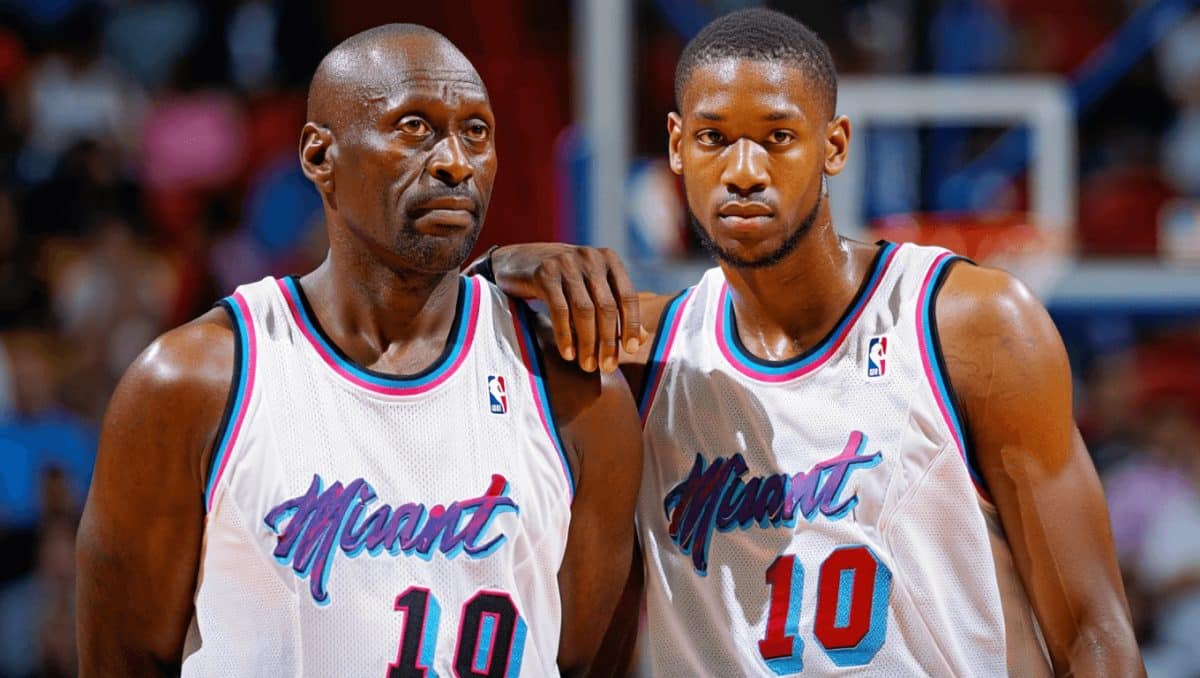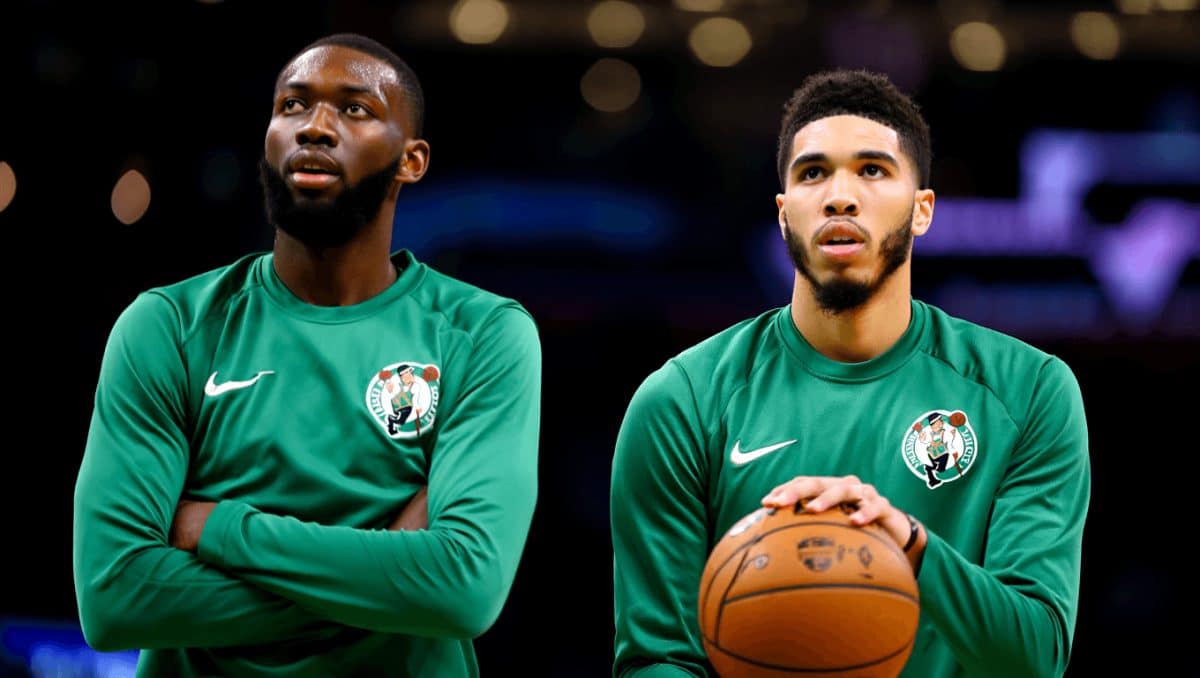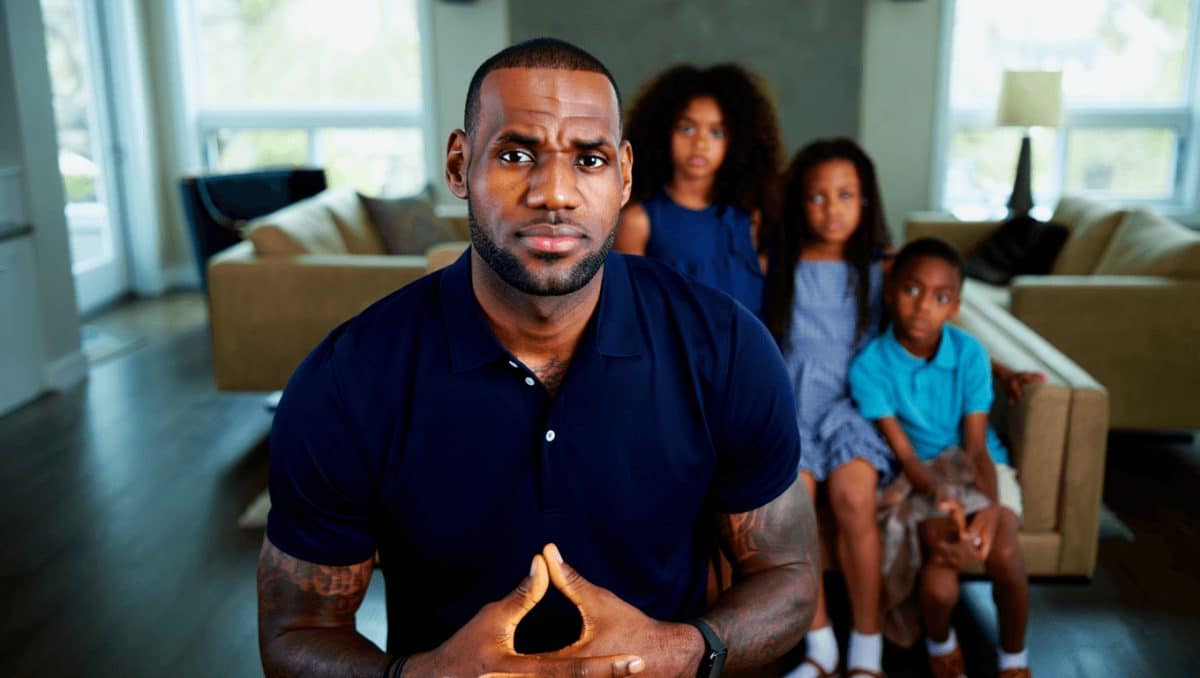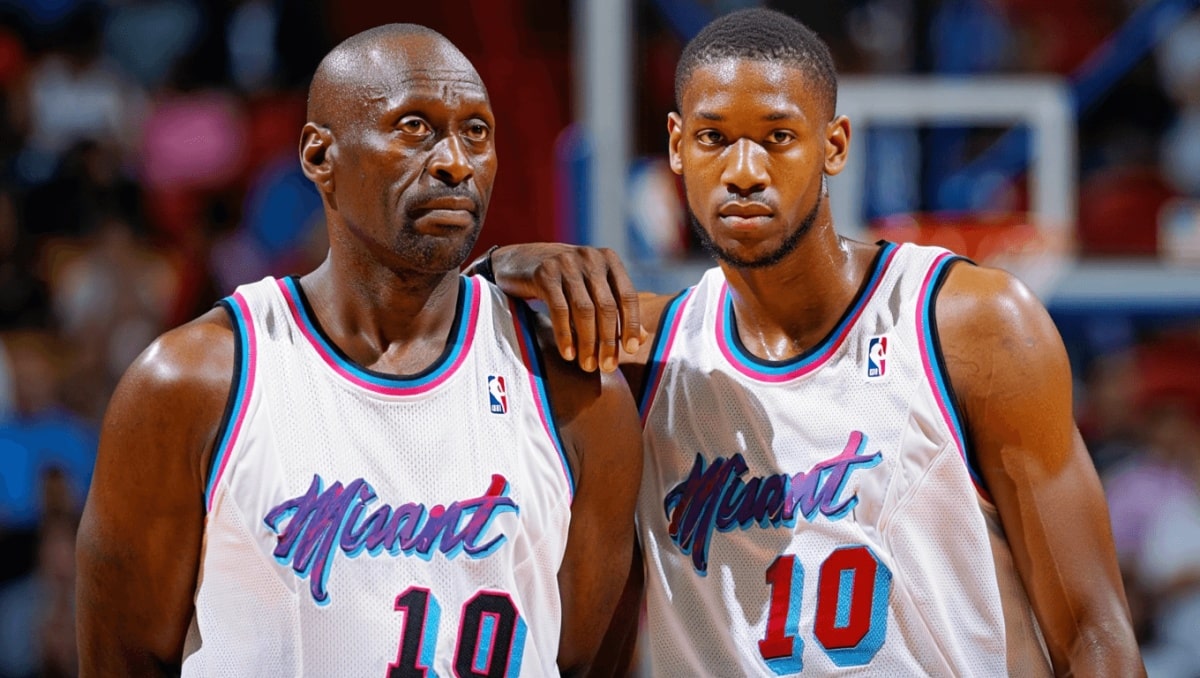
When Tim Hardaway Jr. signed with the Miami Heat this week, the move reopened an old family question: can a player wear the same jersey his father had retired? In a brief radio exchange, Tim Hardaway Sr. made it clear he does not want his No. 10 taken down from the rafters — a stance that now intersects with the wider free-agency drama surrounding stars such as LeBron James.
Hardaway Jr. has worn his father’s number in college and at times in the NBA, but Miami’s banner for No. 10, raised in 2009, remains sacrosanct to the elder Hardaway. Speaking to local station WQAM, his message was direct: the jersey belongs in the arena where the franchise honors the elder Hardaway’s contributions, and he prefers it stay there.
The exchange is a reminder that retired numbers carry weight beyond fashion or branding. For franchises, a retired jersey symbolizes an enduring part of a team’s identity; for families, it can be a deeply personal emblem. That tension played out differently in Cleveland eight years ago, when the Cavaliers permitted Larry Nance Jr. to adopt his father’s No. 22 while it remained in the rafters — after initially wearing No. 24 for a few games.
US and Iran step back from the brink: strikes halt after days of escalation
Tim Hardaway Sr. blocks son’s bid for No. 10: family legacy at stake
- Tim Hardaway Sr. — 13 NBA seasons; Heat retired his No. 10 in 2009.
- Tim Hardaway Jr. — wore No. 10 at Michigan and in stretches of his NBA career; recently signed with the Miami Heat.
- Larry Nance Jr. — received special permission to wear his father’s No. 22 in Cleveland.
- Broader context — jersey retirements often prompt family or franchise negotiations, especially during high-profile roster moves.
Hardaway Sr.’s position is grounded in a common sports logic: retirement honors are meant to be permanent markers of achievement. “My legacy is my legacy,” he said, adding that while he loves his son and supports his career, the number that hangs in the Heat’s rafters should remain untouched.
The timing of the conversation gives it extra relevance. With LeBron James expected to announce his own plans — and with speculation about whether any team might make room for him again — questions about retired numbers and family legacies feel timely. Would a franchise entertain a special exception for a superstar or his son? Teams and players have handled those situations differently, and there is no single answer.
Some practical realities make these moments tricky. A retired number can be a public relations asset, a fan memory and a formal franchise decision; reversing or reissuing it risks alienating long-time supporters. Conversely, allowing a family member to wear a parent’s number can create a powerful, emotional bridge between generations and the franchise.
For now, the outcome is simple: Miami’s No. 10 remains in the rafters and Tim Hardaway Jr. will have to follow the Heat’s direction on a uniform number. The incident is a small footnote in the early free-agent shuffle, but it highlights how legacy, symbolism and team policy collide when families and franchises intersect.
Whatever happens next with LeBron or other headline-making moves, this episode underscores a basic point — some honors are collective and permanent, and not every player, even a player’s own son, can reclaim what a franchise has vowed to preserve.