Show summary Hide summary
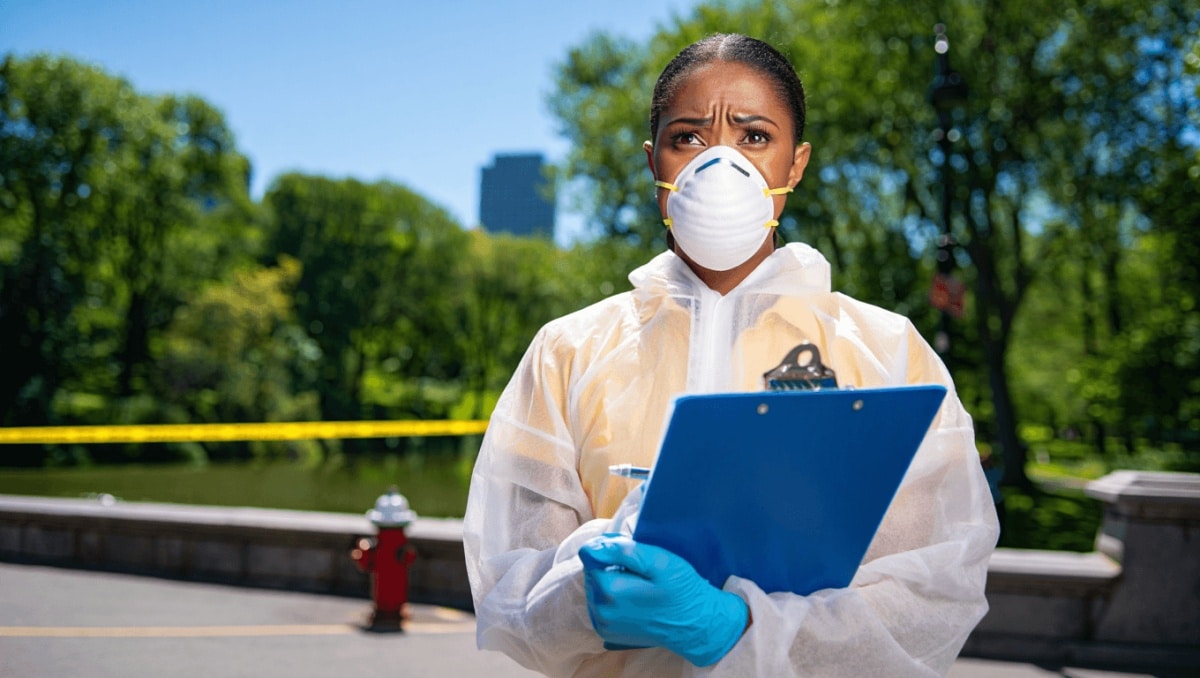
This week, New York City health officials alerted residents to a cluster of Legionnaires’ disease cases linked to the area around Central Park, prompting targeted inspections and testing of nearby water systems. The notice underscores an immediate public-health concern for older adults and people with weakened immune systems who spend time near outdoor fountains, building cooling towers or mist-producing features.
What authorities say and what’s happening now
City health investigators described the situation as a localized cluster rather than a citywide outbreak, but officials launched rapid-response measures to identify any sources of Legionella bacteria. Teams are sampling water from decorative fountains, spray pools and building cooling towers along the park’s perimeter, and are notifying property managers about required maintenance and disinfection.
Amazon satellite internet launches in South Africa: Starlink rollout trails behind
MLB playoff picture: 11 teams all but eliminated
Because Legionnaires’ disease spreads through inhalation of aerosolized water containing Legionella, public officials are focusing on sites that generate mists or fine droplets. Several features within and around Central Park that produce visible spray are being checked as a precaution.
Why this matters now
Legionnaires’ disease can progress quickly in vulnerable people and often presents like community-acquired pneumonia, so early detection and treatment affect outcomes. With park visitation high as the city moves into warmer months, there is a realistic risk that exposures could increase if a contaminated source is not identified and remediated.
Signs to watch for
If you have recently spent time near Central Park and develop symptoms, seek medical advice promptly. Common early signs include:
- Fever and chills
- Cough, often productive
- Shortness of breath or chest pain
- Muscle aches, headache, or gastrointestinal symptoms such as diarrhea
| Symptom or Scenario | Recommended action |
|---|---|
| Fever plus cough within 2–10 days of park exposure | Contact a healthcare provider; mention possible Legionella exposure |
| Severe shortness of breath or rapid deterioration | Seek emergency care immediately |
| Chronic lung disease, recent hospitalization, or weakened immune system | Notify your clinician early if you develop respiratory symptoms |
What residents and visitors should do
Health departments recommend a series of practical precautions, especially for people at higher risk:
- Avoid standing close to fountains or misting features while the investigation is ongoing.
- If you develop respiratory symptoms after visiting the area, tell your clinician about the exposure so testing and appropriate antibiotics can begin without delay.
- People who are older, smoke, or have chronic lung disease should be particularly cautious around aerosols.
- Property owners and managers must ensure cooling towers and complex water systems are inspected, cleaned and disinfected according to city guidance.
Public-health response and next steps
City teams are prioritizing rapid sampling and laboratory analysis; results will guide remediation efforts such as hyperchlorination or temporary shutdowns of identified sources. Officials emphasize that Legionella is not transmitted person-to-person, so containment relies on identifying and treating contaminated water systems.
Investigators also plan targeted outreach to clinicians in the area to raise awareness of the cluster and encourage testing of suspected cases. Because of the disease’s incubation period, health authorities are monitoring for additional reports over the coming days.
Perspective
Clusters of Legionnaires’ disease tend to occur around aerosol-producing water systems, and urban parks with ornamental features can occasionally be implicated. The current response aims to limit exposure quickly while keeping the public informed without prompting unnecessary alarm.
For the latest, follow updates from the New York City Department of Health and local health alerts; if you believe you or a family member may be affected, contact your healthcare provider and describe any recent visits to the Central Park area.