Show summary Hide summary
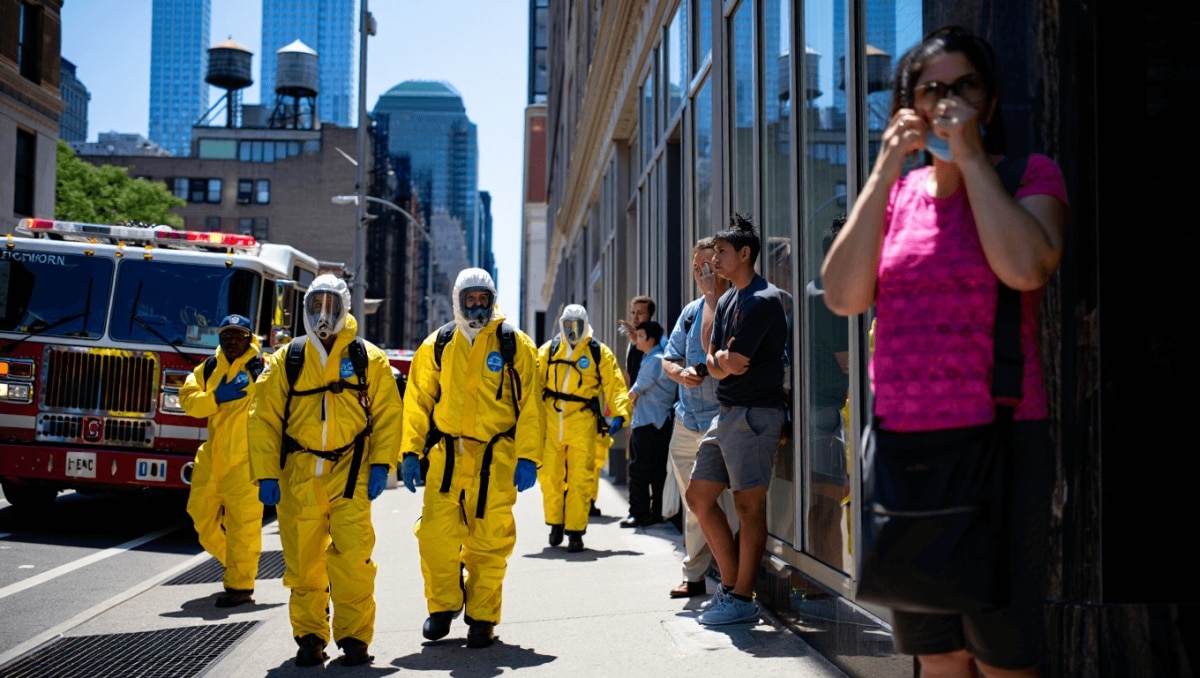
New York City health officials this week alerted residents and building operators to a cluster of Legionnaires’ disease cases linked to localized water systems, urging prompt testing and maintenance as temperatures climb. The advisory underscores immediate public-health concerns: warm summer conditions and increased air‑conditioning use can raise the risk of Legionella growth in plumbing and cooling systems, heightening exposure for vulnerable people.
What the city is asking of building managers
The Department of Health is asking owners of large buildings, hospitals and long‑term care facilities to inspect and, where needed, disinfect systems that can aerosolize water—most notably cooling towers, decorative fountains and complex hot‑water systems. Officials emphasize that routine prevention is the most effective defense against an outbreak.
Amazon satellite internet launches in South Africa: Starlink rollout trails behind
MLB playoff picture: 11 teams all but eliminated
- Immediately review maintenance logs for cooling towers and water heaters.
- Flush little‑used outlets and showers; ensure hot‑water temperatures meet safety guidelines.
- Arrange Legionella testing if systems show irregularities or if recent cases are linked to the facility.
- Notify the health department promptly about suspected or confirmed cases.
City guidance notes that treatment and disinfection should follow professional standards. Where contamination is confirmed, flushing, shock chlorination or hyper‑chlorination and temporary system shutdowns may be required until levels are controlled.
Who is most at risk and what to watch for
Legionnaires’ disease primarily affects older adults and people with weakened immune systems, chronic lung disease, or a history of smoking. However, anyone exposed to contaminated aerosols can become ill.
Symptoms usually develop within two to ten days after exposure and can include fever, cough, shortness of breath, muscle aches, and gastrointestinal upset. Severe cases may lead to pneumonia and require hospitalization. If you experience these symptoms after visiting a location with a known exposure, seek medical attention and tell clinicians about the possible exposure.
Testing and treatment
Physicians typically confirm infection with a urine antigen test or sputum culture for Legionella. Early diagnosis improves outcomes because specific antibiotics — commonly fluoroquinolones or macrolides in hospital settings — are effective when started promptly.
Public‑health teams often work with hospitals to identify additional cases and trace potential environmental sources. That coordination helps target remediation and prevent further spread.
Practical steps for residents
Most household systems are low risk, but simple precautions reduce exposure:
- Run taps and showers that aren’t used regularly for several minutes each week.
- Report discolored or foul‑smelling water to your landlord or building manager.
- Avoid standing near visible mist from cooling towers or large decorative fountains.
- If you are in a high‑risk group, discuss additional precautions with your healthcare provider.
For renters and residents: insist that building owners provide maintenance records for cooling systems and ask whether routine Legionella monitoring is in place.
Why this matters now
Hotter weather and heavy reliance on air‑conditioning during summer raise the stakes: warm, stagnant water provides ideal conditions for Legionella to multiply, and aerosol‑generating equipment can disperse contaminated droplets more widely. Swift action by property managers and timely care for symptomatic people are the best ways to limit outbreaks and protect public health.
City health officials say they will update guidance as investigations progress. Residents who suspect they were exposed or develop symptoms should contact their healthcare provider and the local health department for guidance.