Show summary Hide summary
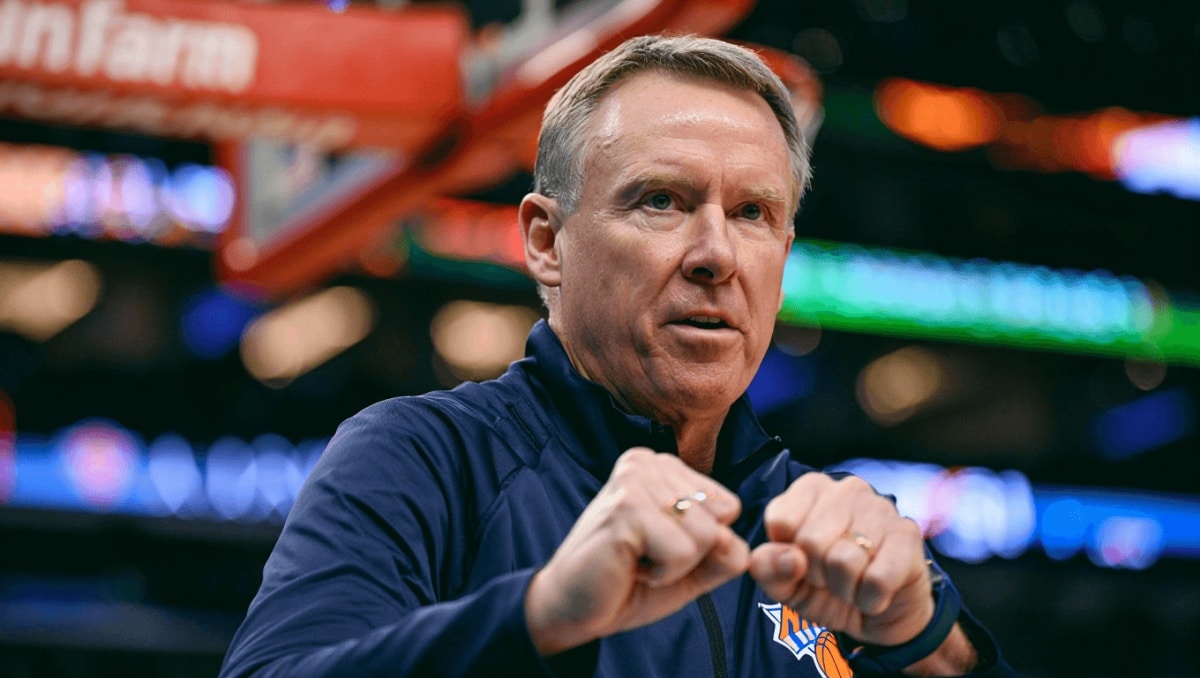
Mike Brown has spent more than two decades stitching together a reputation as one of the NBA’s most respected assistants and a coach whose career keeps orbiting major moments. With the New York Knicks now one victory from a title, Brown stands a breath away from securing his first championship as a head coach — and the outcome could rewrite how his long tenure is remembered.
Brown’s arrival in New York was not the unanimous choice many expected after Tom Thibodeau’s exit; the franchise’s pursuit of other candidates stalled when permission to interview coaches with active teams was denied. Yet the organization settled on Brown, whose résumé mixes early head-coaching stints, a dominant run as an assistant, and a brief, turbulent stop in Sacramento.
From promising young Cavs coach to veteran navigator
Brown first rose to notice in Cleveland, where he coached a young LeBron James and reached the 2007 NBA Finals. The Cavs were outclassed by San Antonio in that series, but the experience placed Brown on the league’s radar as a tactical mind who could manage elite talent.
Michael Page dropped from UFC rankings despite victory: what it means for his career
Viral video shows 81-year-old delivery worker struggling with heavy luggage
He was dismissed by Cleveland in 2010 amid a turbulent period that included franchise attempts to reshape the roster and personnel around LeBron. A subsequent move to Los Angeles as the coach who followed Phil Jackson presented different challenges: roster changes, a lockout-shortened season and a fractured veteran core that never meshed as hoped. That tenure ended quickly.
Gilbert later described the original firing as a mistake and gave Brown a second chance in Cleveland in 2013. That season produced a losing record and reports of locker-room unrest, prompting another dismissal — but not before Brown’s later teams would exact playoff revenge on the Cavs.
- Early breakthrough: Reached the 2007 NBA Finals with the Cavaliers.
- Hollywood chapter: Brief Lakers run following Phil Jackson, challenged by roster instability and shortened schedules.
- Return and exit: Rehired in Cleveland in 2013, then dismissed after a difficult season.
- Golden State era: Joined the Warriors as an assistant (2016–2022) and collected multiple championships as part of one of the NBA’s most dominant staffs.
- Sacramento stint: Hired by the Kings, delivered their first playoff appearance since 2006, but was fired midseason in 2024 after a public confrontation with a player.
- Current moment: Hired by the Knicks and now one win away from a title as a head coach.
Across those stops, Brown has demonstrated a consistent ability to adapt: defensive scheming, rotations that maximize star players, and the calm temperament franchises often prize. Yet the one missing element in his résumé has been a head-coaching title.
Why this matters now
The immediate stakes are clear: if New York closes the series, Brown will finally match his assistant success with the hallmark achievement many use to define a head coach’s legacy. For the Knicks organization, a championship would end a drought measured in decades and reshape expectations for ownership, personnel and player futures.
For Brown personally, a title would provide overdue vindication after repeated career resets and the abrupt ending in Sacramento, which came days after a heated public critique of a player’s in-game decision. It would also alter how his various firings and short stints are framed — from interruptions in a promising arc to stepping stones on a championship path.
Even if the series goes the other way, Brown’s track record as an architect of winning environments — particularly his time with the Warriors — suggests he will remain a sought-after strategist. But a ring would settle a major outstanding question about whether his skill set translates to ultimate success at the helm.
Snapshot: Brown’s coaching arc
Below is a concise look at the main phases of Brown’s career and what each contributed to his development.
- Cleveland Cavaliers (first stint): Established himself as a coach who could manage rising stars and reach the Finals.
- Los Angeles Lakers: Faced roster turmoil and external pressures, a short-lived tenure with mixed results.
- Cleveland Cavaliers (second stint): Returned amid high expectations but failed to sustain success.
- Golden State Warriors (assistant): Part of a championship-winning staff, honing defensive schemes and playoff preparation.
- Sacramento Kings: Reintroduced the franchise to the postseason; departure was controversial and abrupt.
- New York Knicks: Current role — one win away from a potential watershed moment for both coach and team.
Whatever happens over the next few games, Brown’s career offers a study in persistence and adaptation. He has repeatedly rebuilt his reputation after setbacks and consistently attracted roles with high expectations. A championship as a head coach would not erase the missteps, but it would be the capstone moment that turns a long, winding résumé into a defining success.