Show summary Hide summary
What began as a regional novelty has become a nationwide menu item — and health professionals are raising alarms. As mainstream brands and fast-food chains add cream‑and‑syrup‑topped sodas to their lineups, doctors and dietitians warn these so‑called “dirty sodas” can sharply raise blood sugar and contribute to long‑term metabolic harm.
What is a dirty soda?
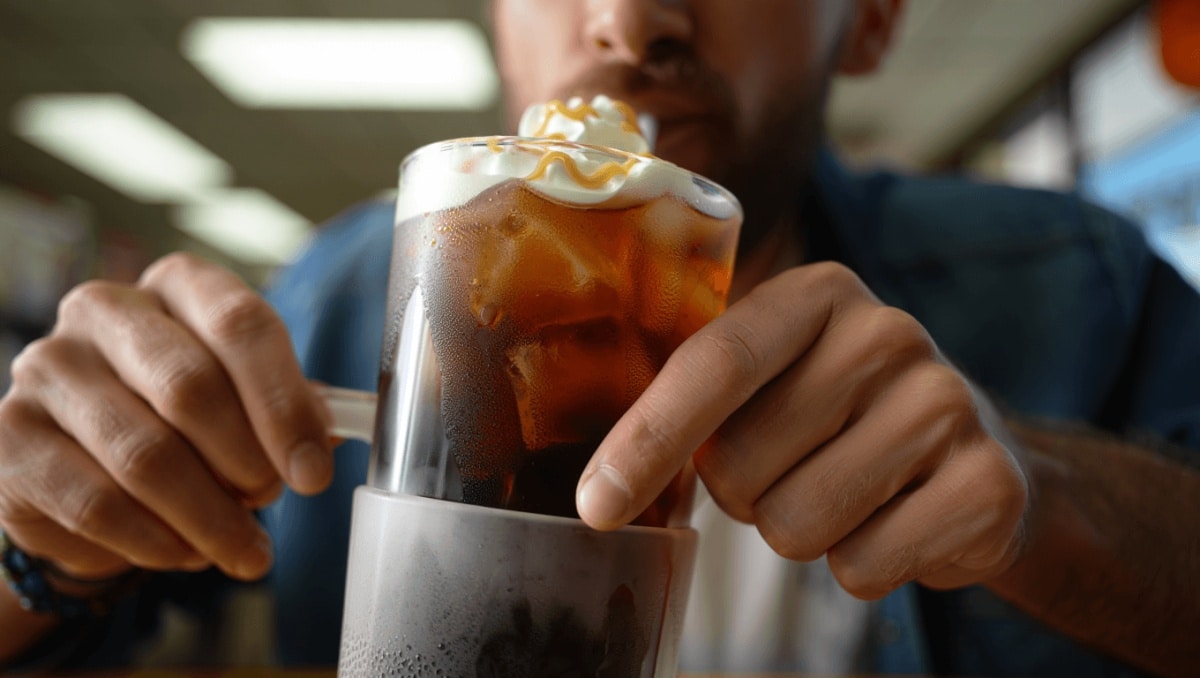
At its simplest, a dirty soda combines a carbonated soft drink with one or more sweet add‑ins: flavored syrups, creamers, juices or candy‑like garnishes. The result is a fizzy, dessert‑style beverage that sits between a soda, a mocktail and a milkshake.
Michael Page dropped from UFC rankings despite victory: what it means for his career
Viral video shows 81-year-old delivery worker struggling with heavy luggage
Nutrition professionals say the drinks often pack a surprising amount of energy and sugar. Typical servings frequently contain between 250 and 400 calories and roughly 55–70 grams of added sugar — in many cases exceeding recommended daily limits in a single cup.
From local trend to national menus
The beverage is widely reported to have started in Utah at specialty shops catering to customers who avoid coffee. Social platforms helped spread the idea, and now major beverage makers and quick‑service restaurants are producing their own versions — from Cherry Float‑style releases by large soda companies to cream‑flavored variants offered by fast‑food chains.
That wider availability is making the drinks more than a regional curiosity: they are showing up on grocery shelves and chain menus nationwide, increasing the number of occasions people are exposed to high‑sugar, high‑calorie beverages marketed as treats or lifestyle items.
Why clinicians are concerned
Health experts highlight two immediate problems: the speed at which the sugar is absorbed and the sheer volume of added sugars. Rapid rises in blood sugar can trigger an equally rapid insulin response, which may lead to a “crash” that leaves people hungry and fatigued and encourages repeated consumption.
Registered dietitians and physicians warn that these drinks are particularly risky for people with insulin resistance, prediabetes or diabetes, but they also note broader population‑level consequences. Regular intake of high‑sugar beverages is linked to higher risks of obesity, non‑alcoholic fatty liver disease, heart disease and type 2 diabetes.
Some clinicians frame the problem in behavioral terms: the combination of sweetness, fat and novelty can reinforce reward pathways in the brain, encouraging repeat purchases and habitual consumption in a way similar to other highly processed foods.
Fast facts
- Typical sugar per serving: about 55–70 grams (varies by recipe and size).
- Typical calories: roughly 250–400 calories for a single drink.
- American Heart Association guidance: recommends limiting added sugars to about 36 g/day for men and 25 g/day for women, meaning one drink can exceed those targets.
- WHO guidance: recommends keeping free sugars to less than 10% of total daily energy intake.
Industry examples and reactions
With major beverage makers and fast‑food brands introducing creamier soda variants, the profile of the drink has shifted from local curiosity to mass market offering. Some public figures and clinicians have criticized specific launches that contain extraordinarily high sugar totals; those critiques have helped fuel debate about whether such products should be marketed as everyday options.
At the same time, retailers promote these beverages as limited‑time indulgences or novel flavors, which complicates public messaging about occasional treats versus regular habits.
Practical advice for consumers
Experts who study diet and chronic disease suggest several simple approaches for anyone tempted to try a dirty soda without making it a regular habit:
- Choose a smaller size and treat the beverage as an occasional dessert, not a daily drink.
- Consider a plain seltzer or club soda as the base — it keeps the fizz while cutting most of the added sugar.
- If you want lower sugar, use a diet soda or sugar‑free flavoring and limit creamy add‑ins.
- People with diabetes or prediabetes should avoid these beverages or consult their clinician before trying them.
“Think of these like a slice of cake,” one registered dietitian advised — enjoyable once in a while, but not a substitute for regular hydration or a balanced snack.
What to watch for
Because the trend is expanding into mainstream retail and restaurant menus, the public health effect will depend on how often people choose these drinks. Even occasional consumption is less concerning than daily use; the risk rises when high‑sugar beverages displace water or lower‑sugar choices on a regular basis.
Clinicians say a practical takeaway is that beverages are an easy place to reduce added sugar. Small changes — swapping to seltzer, choosing a smaller portion, or saving a dirty soda for special occasions — can substantially lower weekly sugar intake and reduce long‑term metabolic risk.