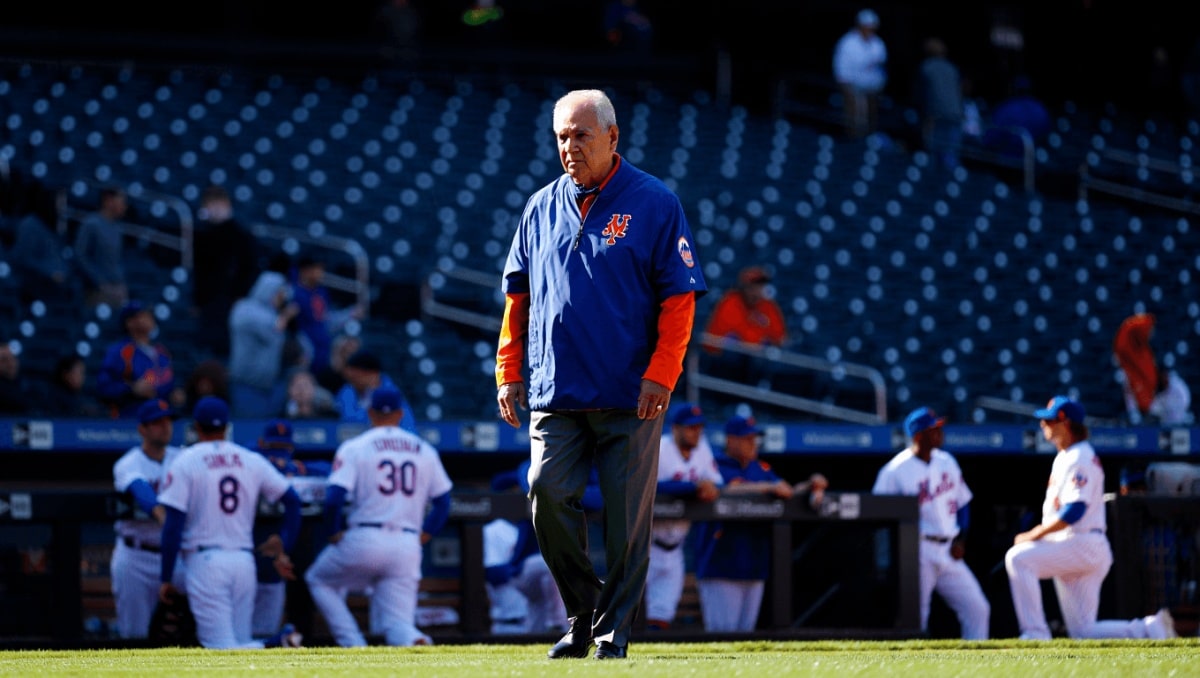
The New York Mets sit near the bottom of the NL East and the question of Carlos Mendoza’s job is suddenly urgent. With an off-day available and the team stumbling through another long losing stretch, owner Steve Cohen faces a choice that could shift the club’s narrative — at least for a short time — even as deeper roster problems persist.
Cohen has publicly cautioned against making snap managerial changes, arguing in the past that impulsive firings do more harm than good to an organization’s reputation and its ability to recruit top talent. He kept Buck Showalter through the end of a disappointing 2023 season rather than pull the trigger midseason.
That restraint could work for or against Mendoza now. The Mets are 22-33 and mired in a six-game losing streak following a sweep at the hands of Cincinnati. An off-day gives the franchise the logistical ability to announce a change without the immediate disruption of a game-day transition.
Michael Page dropped from UFC rankings despite victory: what it means for his career
Viral video shows 81-year-old delivery worker struggling with heavy luggage
The timing carries symbolic weight. A new manager could reframe the conversation heading into Saturday’s team events — when former players Lee Mazzilli and Bobby Valentine are scheduled for induction into the Mets’ Hall of Fame — but it would also create an awkward spotlight during what is meant to be a celebratory weekend.
Club history offers examples of divergent approaches: recent managerial dismissals elsewhere have come after wins, and the Mets’ most notorious midseason firing — of Willie Randolph in 2008 — occurred in the immediate aftermath of a victory. Those precedents show that ownership decisions don’t always follow a public logic tied to results on the field.
Beyond optics, the numbers underline why a change in leadership would be largely symbolic. The Mets trail the last wild-card team by eight games, and the run rate required to reach 90 wins — commonly viewed as the benchmark for postseason contention — is effectively out of reach without a sustained, dramatic reversal.
Compounding the on-field struggles is a roster that has been reimagined aggressively by president of baseball operations David Stearns. The trio the Mets traded away — Pete Alonso, Brandon Nimmo and Jeff McNeil — have produced power at their new homes while remaining available for most games. Meanwhile, New York has hit only 48 home runs as a team and placed eight position players on the injured list, including replacements who were themselves coming off injury histories.
Individual performances have also fallen short of expectations. Second baseman Marcus Semien, acquired as part of the roster makeover, has posted a .575 OPS so far, well below both his recent output and acceptable baseline for an everyday corner infielder.
- Short-term effect: A managerial change would generate immediate headlines and a temporary shift in narrative, but not necessarily improved performance.
- Clubhouse impact: Players could respond positively to new leadership or be unsettled by another disruption midseason.
- Organizational responsibility: The move would place pressure on ownership and the front office to answer for roster construction decisions.
- Event awkwardness: Saturday’s Hall of Fame festivities would likely feel tense if the team announces a managerial shake-up beforehand.
- Playoff math: Even with a change behind the dugout, the Mets face a steep climb to reach postseason contention.
Firing Mendoza would echo an older playbook in which managers become the public scapegoat for broader roster failures. The contrast is stark: the current struggles are rooted in injuries and in a wholesale rebuild that traded away cornerstone players and has yet to replace their production.
That context complicates the fairness question. Mendoza has taken the field for a club that looks markedly different from the one that began the season. Is removing him now accountability, or is it a convenient cover for decisions made higher up?
There is no tidy answer. If Cohen decides a change is necessary, Thursday’s off-day is a practical moment to execute it. But the underlying problems — depleted health, missed offensive output and the consequences of a radical roster overhaul — would remain. Any managerial move would be, at best, the first step in a longer process to determine whether the Mets can rebuild both the roster and the credibility of their leadership.