Show summary Hide summary
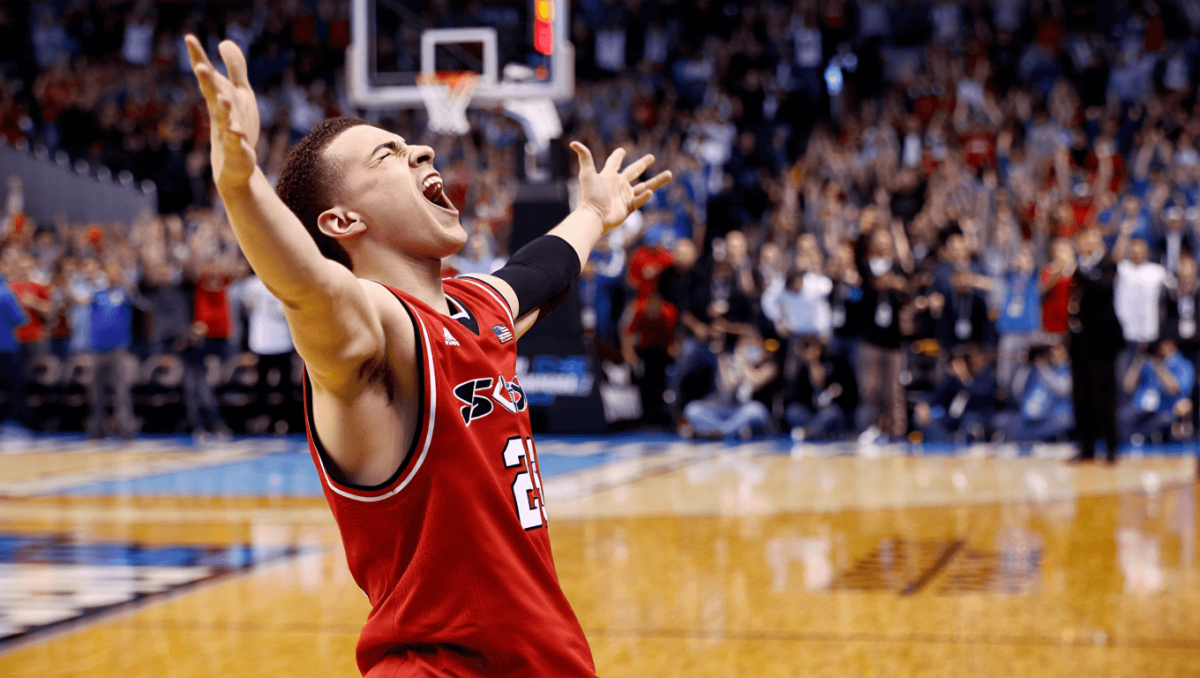
The tournament’s bracket frenzy is in full swing and every upset reshapes the storylines that matter to fans, teams and bettors alike; this year’s early shocks have already altered the path to the Sweet Sixteen. From its grassroots origins to the near-mythical difficulty of a flawless bracket, March’s college basketball spectacle remains as unpredictable and consequential as ever.
The NCAA tournament began as a much smaller affair in 1939, when eight teams met to decide a national champion in Evanston, Illinois — a 46-33 final that sent Oregon home with the first title. What started modestly has evolved into a month-long cultural event that sends millions of people hunting for upsets and debating legacies.
Where the phrase came from and the sound that opens every game
Michael Page dropped from UFC rankings despite victory: what it means for his career
Viral video shows 81-year-old delivery worker struggling with heavy luggage
The nickname now synonymous with the event was coined in Illinois by a high-school official who used it to describe the feverish local tournaments; a national broadcaster later popularized the expression on television, where it quickly became part of the sport’s lexicon.
The tournament’s familiar opening theme also has an origin story: CBS held a contest in 1992 to find a new telecast fanfare and the winning composer submitted what remains the signature melody. Sporadic conversations about replacing it have surfaced over the years, but the tune has endured as part of the event’s ritual.
The impossibility of a flawless bracket
Mathematically, a perfect NCAA bracket is essentially unreachable — odds are often quoted in the quintillions — and no entry has survived intact through an entire tournament. The closest recorded run in recent memory saw a participant correctly predict 49 games before a mid-major upset shattered the streak, underscoring how small events can wreck even the most carefully constructed brackets.
Seeding surprises are part of the attraction. The lowest seed ever to claim the title was an eighth seed, while a handful of double-digit seeds have sprinted into the late rounds, creating headline-grabbing “Cinderella” runs and rewriting expectations about parity in college basketball.
Memorable upsets and standout performances
Few moments linger longer in collective memory than when a 16-seed toppled a 1-seed — a feat accomplished only twice in the tournament’s long history. Mid-major programs have repeatedly used aggressive defense and disciplined execution to topple giants, producing some of the tournament’s most replayed highlights.
Individual and team records have also been set under the bright lights. From single-game scoring explosions to dominant tournament runs by future NBA stars, March has been the stage where reputations are made.
- Most championships: UCLA leads the all-time list, followed by Kentucky and North Carolina.
- Lowest seed to win: An 8-seed remains the smallest that has captured the title.
- Biggest team scoring night: A program once posted 149 points in a single tournament game.
- Individual scoring highs: Several players have posted 40-plus games in the tournament; one historic performance exceeded 60 points.
- Buzzer-beaters: Nearly 50 game-ending shots have decided tournament games, with a handful defining championship moments.
Coaches, states and historical quirks
Coaching longevity is woven into the tournament’s fabric. A small group of veteran coaches have appeared dozens of times, building records of consistency even in a landscape where single-game elimination creates turnover every March.
Geography matters, too: two U.S. states have never sent a team to the men’s tournament — one because it lacks a Division I program, the other because its lone D-I school has yet to secure a berth. Across the country, dozens of established programs still search for their first win on the national stage.
Traditions that close the show
At the end of each tournament a montage plays over a ballad that has become as much a part of the closing ritual as the confetti. Its creation is a small, almost cinematic anecdote in itself: a songwriter struck by a casual comment about basketball’s poetry and the result was a piece of music that now signals the end of a season for players and fans alike.
There are patterns, but there are also surprises: 20 teams have entered the tournament undefeated and seven of those runs ended with a championship. Indiana’s perfect 1976 season remains the last time a team completed a title-winning unbeaten campaign; modern powerhouses have come close but ultimately fallen short.
This year’s storylines to watch
Through the opening rounds, a handful of results stand out for their unpredictability and potential ripple effects:
- A mid-major guard hit his only two-point field goal of the season and it proved to be the tournament-deciding basket in a shocker over a ranked opponent.
- A 16-seed staged a dramatic scare by holding a double-digit lead against a top seed and played nearly the entire game with the same starting five before a late substitution.
- One program notched its first-ever pair of tournament wins, setting up a marquee conference clash later this week.
- A team reached the field despite failing to record a single top-quadrant victory during the regular season.
- A lone double-digit seed remains alive, carrying the upset banner deeper into the bracket.
March continues to deliver a mix of history, heartbreak and heroics. As the Sweet Sixteen approaches, each remaining matchup will further define legacies and determine which programs and players will get their moment in the spotlight at season’s end.