Show summary Hide summary
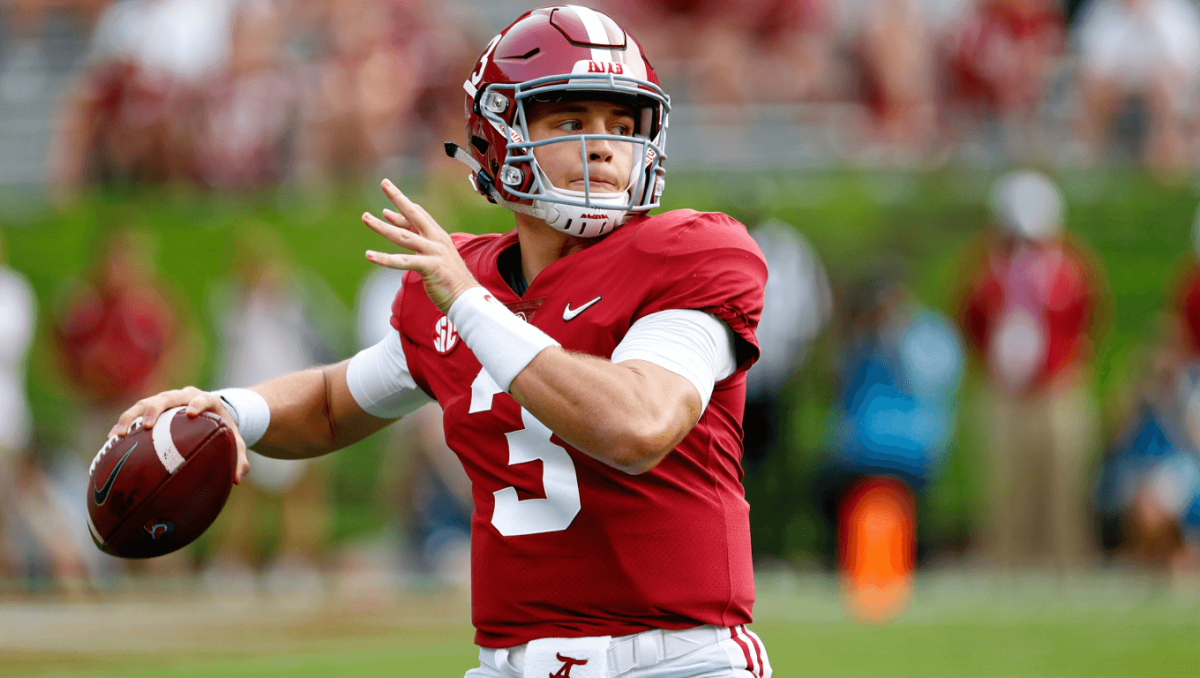
ESPN analyst Dan Orlovsky set off a fresh debate among draft-watchers this week when he suggested Alabama’s Ty Simpson should be considered the top quarterback in the 2026 class — a direct challenge to the prevailing view that Indiana’s Heisman winner Fernando Mendoza will go first overall. The exchange matters now because the Las Vegas Raiders, widely expected to select a franchise passer, are already shaping draft narratives and scouting priorities.
The contrast between Simpson and Mendoza is less about headline numbers and more about context: playing time, surrounding talent, and perceived upside. Mendoza’s run at Indiana produced a national title and the Heisman, cementing his status as the consensus top pick. Simpson’s lone season as a starter at Alabama showed flashes of high-level play but came with a much smaller sample size and injury interruptions.
Why this debate matters to NFL teams and fans
Michael Page dropped from UFC rankings despite victory: what it means for his career
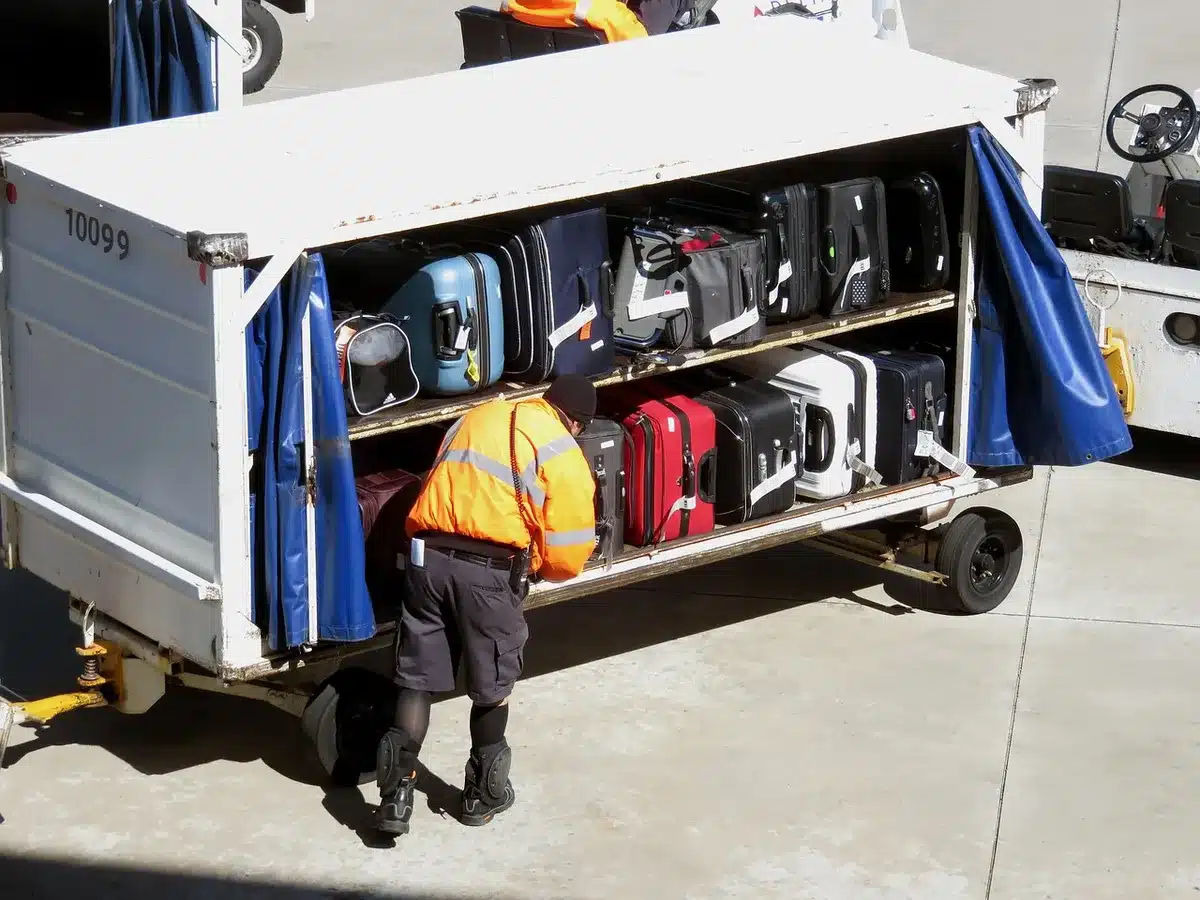
Viral video shows 81-year-old delivery worker struggling with heavy luggage
For the Raiders — who won only two games last season — the identity of the QB prospect at the top of the board is a practical decision, not just a talking point. A front office deciding between a decorated, proven winner and a physically gifted quarterback with limited starts must weigh risk, talent projection, contract cost and fit with the roster.
There’s also an industry angle: both Orlovsky and Simpson are represented by CAA, a major agency in sports and media. That fact has fueled online chatter suggesting agents and media relationships can shape narratives around prospects. Those connections are worth noting, but they don’t replace tape, medical checks or pre-draft evaluations.
Comparing the prospects at a glance
- Ty Simpson (Alabama): One season as a starter, roughly 3,500 passing yards, 28 TDs and five interceptions; added mobility with several rushing TDs; age 23; season interrupted by injuries and limited by depth chart previously.
- Fernando Mendoza (Indiana): Transferred from Cal after earlier experience; one season that produced about 3,500 passing yards and 41 TDs en route to a national title and the Heisman; age 22; surrounded by high-end receiving and offensive talent at Indiana.
- Supporting casts: Mendoza benefitted from an upgraded roster paid for in part through NIL investments; Simpson’s offensive weapons were less consistently dominant during his starting season.
What scouts will focus on next
Evaluators will prioritize medical reports and detailed game-film work. Simpson’s limited starts mean teams must project a trajectory rather than rely solely on a large body of evidence. Mendoza’s larger sample and championship performance give scouts a clearer baseline for his NFL readiness.
Pre-draft activities — the Combine, pro days, private workouts — will be decisive. A strong testing and interview process could amplify Simpson’s stock by answering questions about his durability and consistency. Conversely, any red flags for Mendoza would complicate the expected draft order.
Where this likely lands
Current consensus still points to Mendoza as the most probable No. 1 overall pick, particularly for a team in urgent need of a leader at the position. But Orlovsky’s comments underscore that draft boards can be reshaped quickly when analysts, agencies and teams start asking different questions.
One practical outcome is clear: Simpson will be firmly in first-round conversations. NFL franchises understand the scarcity of quality quarterbacks and are willing to pay for perceived upside. Whether he ultimately eclipses Mendoza for the top spot remains uncertain, but both players will receive heavy attention through the pre-draft process.
For fans and front offices, the takeaway is simple: the 2026 quarterback picture is already fluid. Tape, health checks and the weeks leading up to the draft will determine if this debate is a passing ripple or a game-changing upset.