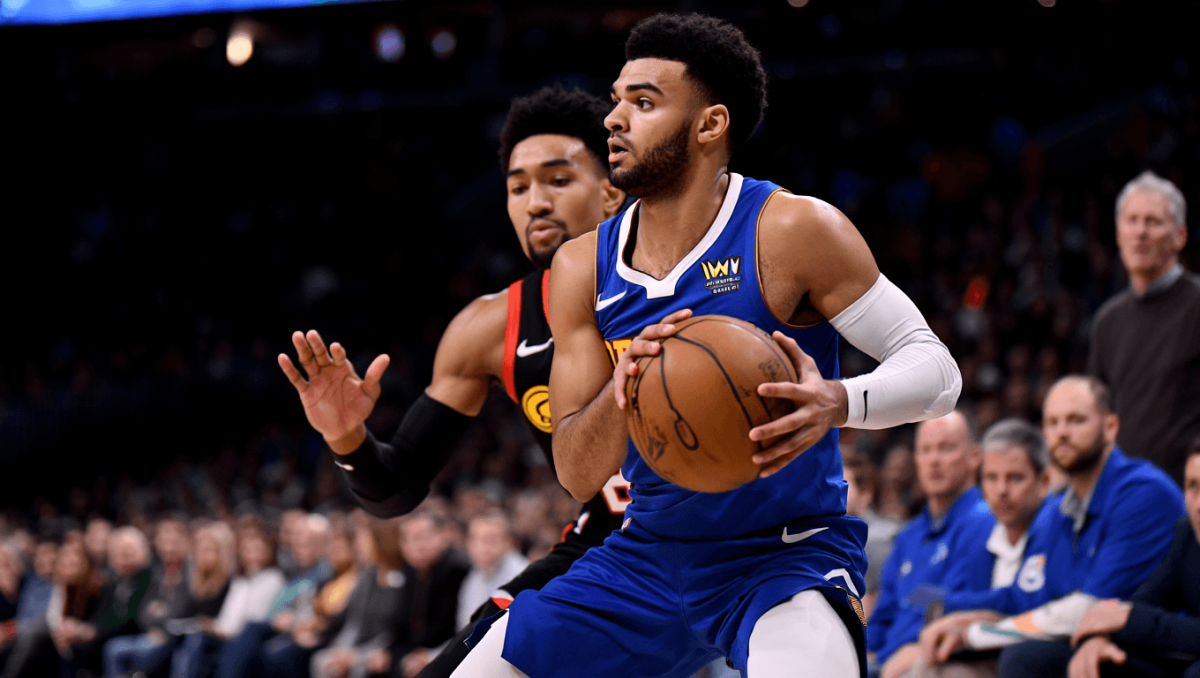
With the regular season entering its final weeks, one question is suddenly unavoidable: which team should every contender dread meeting in the playoffs? Recent developments suggest the Denver Nuggets have quietly built the kind of roster and momentum that make them a genuine threat — not just because of one superstar, but because of depth, balance and a timely return to health.
The obvious starting point is Denver’s core. Nikola Jokic remains the engine — a rare combination of scoring instincts, playmaking and rebounding that reshapes opponents’ defensive plans. His partnership with Jamal Murray produces spacing and pick-and-roll chemistry that forces defenses into constant adjustments. Around them, versatile wings like Aaron Gordon, Cam Johnson and Christian Braun give the team both switchable defenders and consistent perimeter shooting.
That trio of stars is not the only reason to take the Nuggets seriously. What has changed in recent weeks is the bench — not merely because bodies are available, but because those reserve pieces are contributing in complementary, reliable ways. When role players can defend multiple spots, hit catch-and-shoot attempts and provide energy without disrupting the starters’ rhythm, the entire rotation becomes harder to game-plan against.
Michael Page dropped from UFC rankings despite victory: what it means for his career
Viral video shows 81-year-old delivery worker struggling with heavy luggage
A telling snapshot came in a recent game against Portland, when Denver — with its rotation largely intact — controlled tempo, spacing and the glass for large stretches. It wasn’t a one-off; it was evidence that lineup versatility and returning health are converging at the right time.
- Star stability: A Hall of Fame-caliber center who dictates the floor and a secondary creator who can both score and make plays.
- Two-way wings: Players who can guard multiple positions and still stretch the defense with catch-and-shoot accuracy.
- Depth return: Reliable veteran minutes from established backups limit drop-off when starters rest.
- Playoff seasoning: A recent championship and deep postseason runs give Denver an experience edge.
- Matchup flexibility: Lineups that can switch, hit threes and attack mismatches make scouting reports difficult to execute.
| Role | Primary Names | What they bring |
|---|---|---|
| Core starters | Nikola Jokic, Jamal Murray, Aaron Gordon | Playmaking, spacing, two-way toughness |
| Secondary scorers | Cam Johnson, Christian Braun | Catch-and-shoot shooting, perimeter defense |
| Impact reserves | Bruce Brown, Jonas Valanciunas, Tim Hardaway Jr. | Defense, size, veteran scoring off the bench |
Health remains the single biggest variable. Denver’s ceiling rises dramatically when starters and key reserves are available for extended stretches — minutes missed earlier in the season have masked what this roster can do when it’s whole. The coming weeks will show whether that cohesion sticks through the grind of playoff matchups.
The stakes are also topical: the Western Conference still lists the Thunder and Spurs as headline teams, but a fully functioning Nuggets group is a different kind of problem. They are capable of upsetting bracket expectations by posing matchup dilemmas for higher-seeded clubs that are built around different strengths.
In the East, the playoff field looks unusually open; in the West, the presence of a healthy, well-rounded Denver squad adds another layer of complexity. For teams preparing for April and May, the practical takeaway is simple — scouting the Nuggets is no longer about containing one player, it’s about mapping how multiple contributors can be neutralized simultaneously.
It’s only March, but the pieces are aligning. Between a singular center-led offense, more trustworthy depth and timely returns from injury, the Nuggets are becoming the kind of opponent that forces coaches to rethink game plans. For rivals, that’s a reason to prepare — and to worry.