Show summary Hide summary
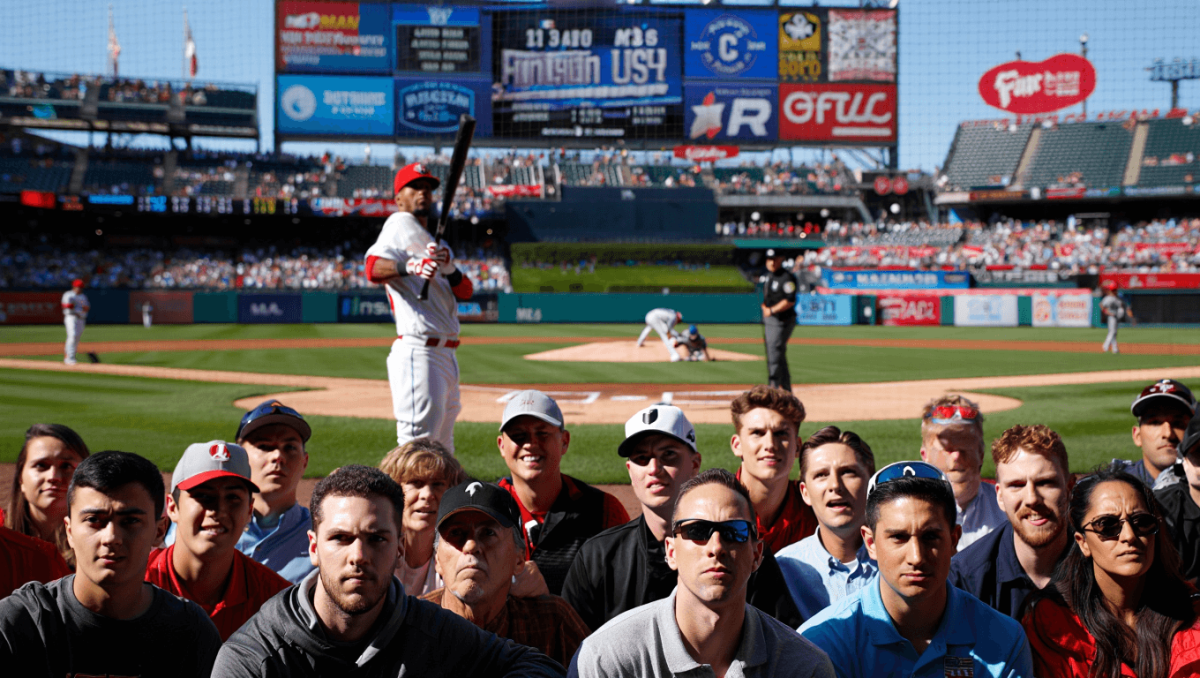
Major League Baseball begins its 2026 campaign at a fraught moment: recent ratings gains and a rebound in in-person attendance have restored momentum, but looming labor unrest means the league needs this season to keep fans engaged. Decisions around the season opener and first-week scheduling are drawing scrutiny because they affect who can actually watch the games—and when.
Why this season matters
After pandemic-related viewership declines, MLB has posted signs of recovery, with stronger TV numbers and fuller ballparks in the past year. The most recent World Series attracted its largest broadcast audience in decades, a boost often linked to Shohei Ohtani’s cross-market appeal.
Michael Page dropped from UFC rankings despite victory: what it means for his career
Viral video shows 81-year-old delivery worker struggling with heavy luggage
That resurgence gives MLB a narrow window to solidify fan interest: several analysts warn that a 2027 stoppage remains a real possibility, which would make the 2026 season the league’s best chance to sustain a broad audience through any extended work interruption.
Opening Day choices are under a microscope
For baseball fans, Opening Day carries ritual weight—daytime games, ceremonial first pitches and local festivities are part of the attraction. Yet two early decisions this year have raised questions about how accessible the celebration will be.
First, the traditional standalone opener—often a national showcase pairing two top starters—has been placed on a streaming platform rather than broadcast network television. Critics argue that putting that contest behind a streaming provider like Netflix reduces the ceremony’s reach at the moment when casual viewers are most likely to tune in.
Time-zone math and who gets left out
The following day’s schedule deepens the debate. MLB’s plan favors daytime starts for most games, a nod to tradition, but it also places at least one marquee matchup in a slot that disadvantages large swaths of a team’s fan base.
One matchup in particular—an early-season series between Seattle and the Cleveland Guardians—will kick off in the Pacific Time zone at a local evening start that translates to after 10 p.m. on the East Coast. That late Eastern start time reduces the number of Cleveland supporters who can follow the game live, and comes at the start of a season when attracting attention is especially important.
Across Opening Week, several series pair teams separated by multiple time zones, creating repeated late-night and early-afternoon starts for fans depending on where they live. With baseball’s long schedule and abundant local blackouts, those early impressions matter for long-term viewership retention.
- Reduced national exposure: Moving the marquee opener to streaming limits spontaneous tune-ins from casual fans.
- Late Eastern starts: Pacific-primetime games can push start times past 10 p.m. ET, shrinking live audiences in the East.
- Multiple time-zone series: Several Opening Week matchups cross two or three time zones, complicating TV schedules for local markets.
- Blackout sensitivity: Blackouts already restrict viewing; making the first week harder to watch risks losing momentum.
Fans and local markets treat Opening Day differently than any other regular-season date. Where other sports may rely on playoff narratives or short seasons to maintain interest, baseball depends heavily on ritual, routine and daily engagement. If the league makes it hard for followers to see those early games, the payoff of recent viewership gains could be undermined.
What’s at stake
MLB’s scheduling choices this spring are not merely logistical details; they affect how many people can experience the season’s opening rituals in real time. That matters now because the league needs to preserve the attention of both casual viewers and dedicated fans as it heads into an uncertain labor future.
Whether MLB will adjust any of these slots remains to be seen. For now, the decisions around the opener and early schedule have highlighted a tension between experimentation with new platforms and the practical need to make baseball readily watchable for a coast-to-coast audience.