Show summary Hide summary
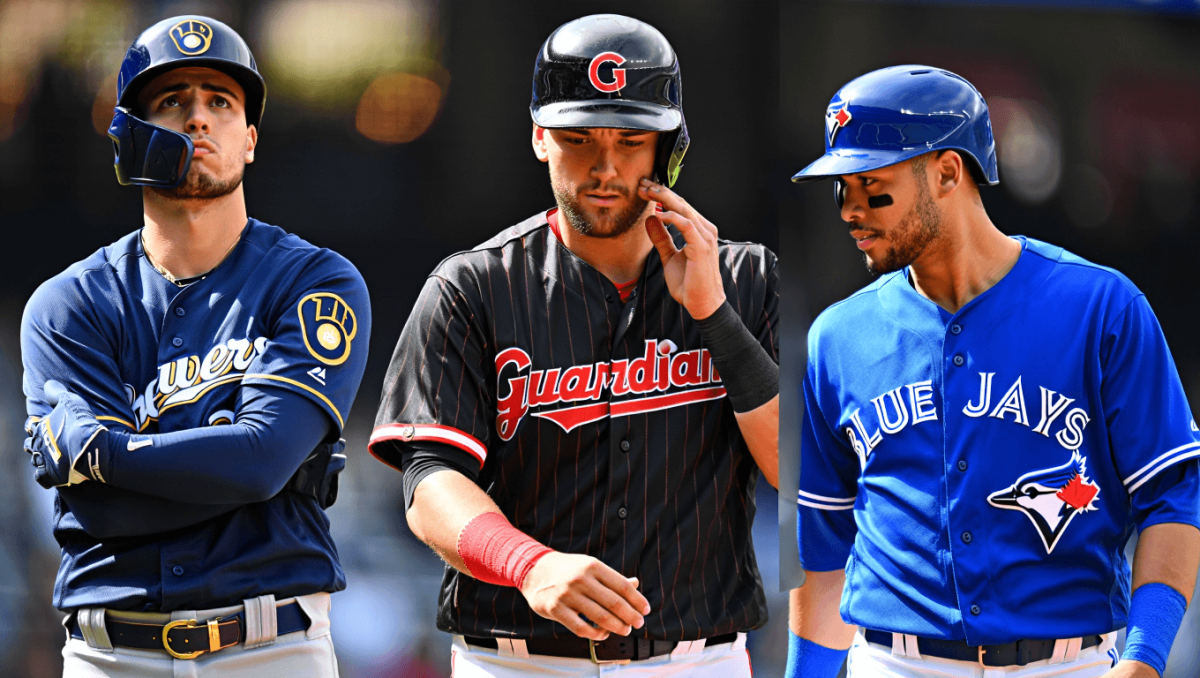
As the 2026 MLB season opens, familiar skepticism is surfacing: several postseason teams from last year arrive under fresh doubts about whether they can repeat. The Milwaukee Brewers, Cleveland Guardians and Toronto Blue Jays are each facing concrete offseason changes or thin margins that could turn last year’s success into this year’s disappointment.
Milwaukee’s clubhouse has grown used to second-guessing. Players and fans hear it every spring — pundits predicting a letdown, analysts waiting for the inevitable slide. Outfielder Christian Yelich acknowledged that frustration at a recent workout in Milwaukee, saying the team senses critics are eager to prove themselves right. Yet the Brewers’ recent track record makes those predictions complicated: this organization has reached the postseason repeatedly, even while navigating payroll decisions and roster turnover.
Milwaukee Brewers
The biggest offseason move that reshaped Milwaukee’s outlook was the trade sending ace Freddy Peralta to New York. Management framed the deal as a forward-looking roster decision — acquiring prospects and clearing near-term payroll — but the immediate effect is clear: the Brewers enter the season with a less proven top end to their rotation.
Michael Page dropped from UFC rankings despite victory: what it means for his career
Viral video shows 81-year-old delivery worker struggling with heavy luggage
That puts pressure on a few variables to break the right way. The club will need younger arms to step up, notably Jacob Misiorowski to recapture the form that once made him a breakout candidate, and for veteran Brandon Woodruff to return to full strength after injury. A recent prospect, Brandon Sproat, earned a rotation spot after a strong spring, but relying on a rookie to replace the innings and swing-start performances of a former ace is a risk.
Milwaukee’s broader pattern of letting top contributors depart or play without long-term deals—whether through trades or non-extension—has kept payroll nimble but also left the club depending on internal development and timing. If the young starters do not stabilize the rotation early, the Brewers could be vulnerable in a tight NL Central race.
Cleveland Guardians
The Guardians enter 2026 under more subtle threats. Cleveland’s core remains competitive, but its margin for error could be small. Several pitchers who carried the staff last year show signs of volatility, and the team’s offense leaned on a handful of breakout years that may not be sustainable.
Managerial approach and bullpen depth will matter more than usual: a handful of late-inning situations swung Cleveland’s way last season. If the Guardians fail to replicate that luck or if a key arm struggles, their window for a deep run could narrow quickly.
Toronto Blue Jays
Toronto’s offseason left questions about balance. The Blue Jays kept a powerful lineup but also face payroll and health considerations that could limit flexibility during a long season. Their pitching staff, particularly the rotation depth behind the top starters, appears thinner than it did at the start of last year’s postseason push.
Like the other clubs on this list, Toronto’s success may hinge on a few break-even performances. If the lineup’s power dries up or the bullpen cannot hold frequent late leads, the team’s October plans could be in jeopardy.
- Milwaukee Brewers: Loss of an established ace and dependence on young or unproven starters to fill innings.
- Cleveland Guardians: Thin margins driven by bullpen reliability and potential regression from late-career breakout performers.
- Toronto Blue Jays: Rotation depth and injury risk to a heavy-offense roster could expose shortfalls over a full season.
Why this matters now: early-season performance will set the tone. Teams with shallow depth or narrow underlying margins tend to reveal their true standing within the first two months, affecting trade-market decisions and front-office strategies for the summer. Fans, fantasy managers and bettors watching the first 40 games will get the clearest signals about whether these clubs will contend or sell off assets.
Perspective: baseball’s long season rewards depth and resilience. A single trade, an injury, or normal statistical regression can alter playoff odds dramatically. For the Brewers, Guardians and Blue Jays, the offseason left them more exposed than some analysts expected — and that vulnerability is what makes their starts in 2026 must-see for the early race to October.