Show summary Hide summary
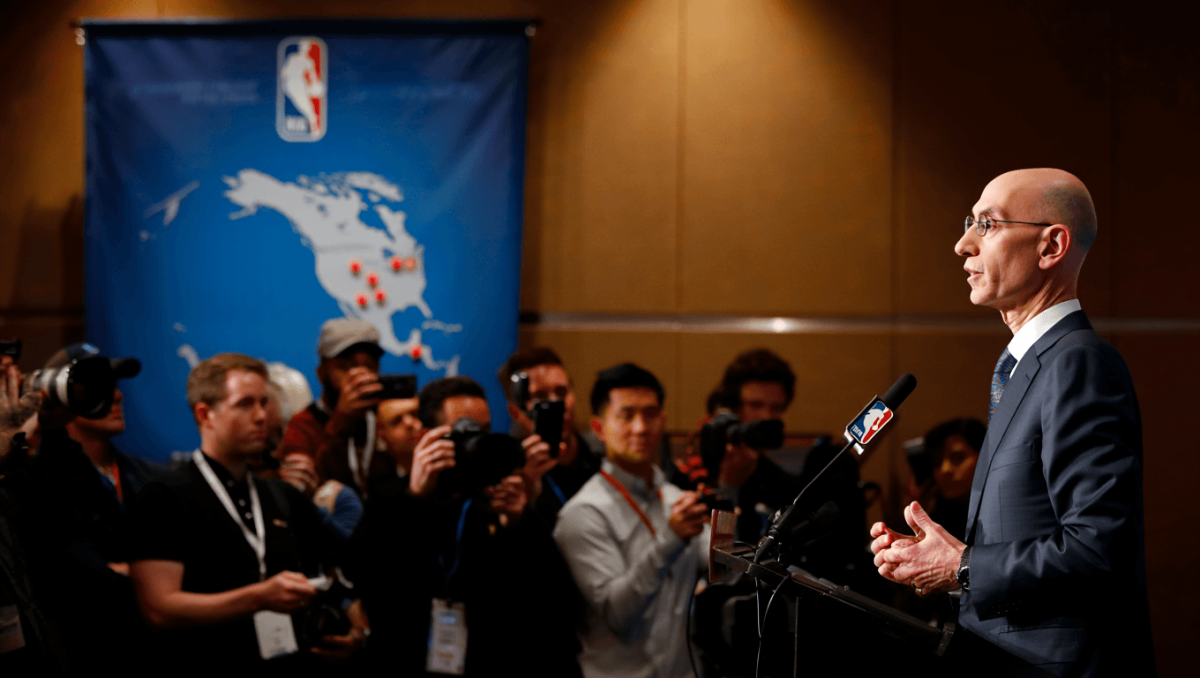
The NBA has taken a formal step toward growth by voting to study expansion into two new cities, a move that comes as the league grapples with slipping broadcast audiences, roster parity concerns and a smaller-than-expected financial outlook. That mix of opportunity and risk makes the timing consequential for fans, franchise owners and media partners alike.
Expansion talks center on Seattle and Las Vegas
League sources tell ESPN reporter Shams Charania that NBA executives increasingly treat additional franchises as a near inevitability, with Seattle and Las Vegas named as the principal candidates under review. Both markets carry strong arguments: Seattle has a long-standing pro-basketball history, while Las Vegas has rapidly become a major venue for professional sports.
Michael Page dropped from UFC rankings despite victory: what it means for his career
Viral video shows 81-year-old delivery worker struggling with heavy luggage
Owners and league leaders are now asked to weigh not just the local appetite for basketball but how two new teams would fit into national media deals, scheduling and the salary structure.
Why the moment is complicated
On the surface the game is more visible than ever: international interest is up and star players remain global draws. Yet several trends temper enthusiasm for expansion right now.
Television and streaming ratings have declined, even as content has proliferated across networks and platforms. Younger viewers increasingly consume highlights rather than full games, fragmenting attention and complicating how broadcasters and the league monetize viewership.
Financial signals are also mixed. The league’s projected rise in the salary cap for next season is roughly $10 million—considerably lower than some forecasts—which could limit team payroll flexibility and affect contract planning leaguewide.
At the same time, competitive integrity is under scrutiny. With about two weeks remaining in the regular season, six teams have already lost 50 or more games and five more sit at 40-plus losses, a pattern critics say points to persistent tanking. Commissioner Adam Silver has publicly warned teams about deliberate losing and suggested he might consider drastic changes to the draft system if the problem continues.
Practical trade-offs: expand, relocate or wait?
Adding two franchises would restore the Sonics’ footprint in Seattle and give Las Vegas a fully established NBA franchise to join other major leagues that have moved into the city. But expansion also dilutes the existing pool of talent and share of national revenue, and it raises immediate questions about competitive balance and scheduling.
Some analysts argue a less disruptive path would be relocation of struggling clubs—teams such as the Sacramento Kings or New Orleans Pelicans are often mentioned—rather than creating new franchises from scratch. That approach would preserve the league’s size while addressing stronger market fits.
- Fans: Seattle supporters would likely welcome a team, while some existing markets could fear losing local identity.
- Players: Expansion rosters shift opportunities but can lower average salaries if revenue growth lags.
- Owners and media: New local TV and sponsorship deals are attractive, but national rights and ratings trends matter most.
- Competitive balance: Expansion drafts and talent distribution can create short-term disparities.
- Local economies: New franchises can boost hospitality and jobs, especially in Las Vegas’s growing sports ecosystem.
The NBA has depth in its development pipeline—the G League and international scouting provide a steady supply of talent—so the on-court product can likely absorb new teams. The crux is whether the league’s business model, media partners and competitive framework are aligned to support long-term growth without weakening fan interest.
League officials now face a clear policy choice: press ahead with expansion and accept near-term risks, pursue relocations that change the map without increasing the league’s size, or hold steady until ratings and revenue signals improve. For a sport with rising global stature, the next move will shape the NBA’s direction for years to come.