Show summary Hide summary
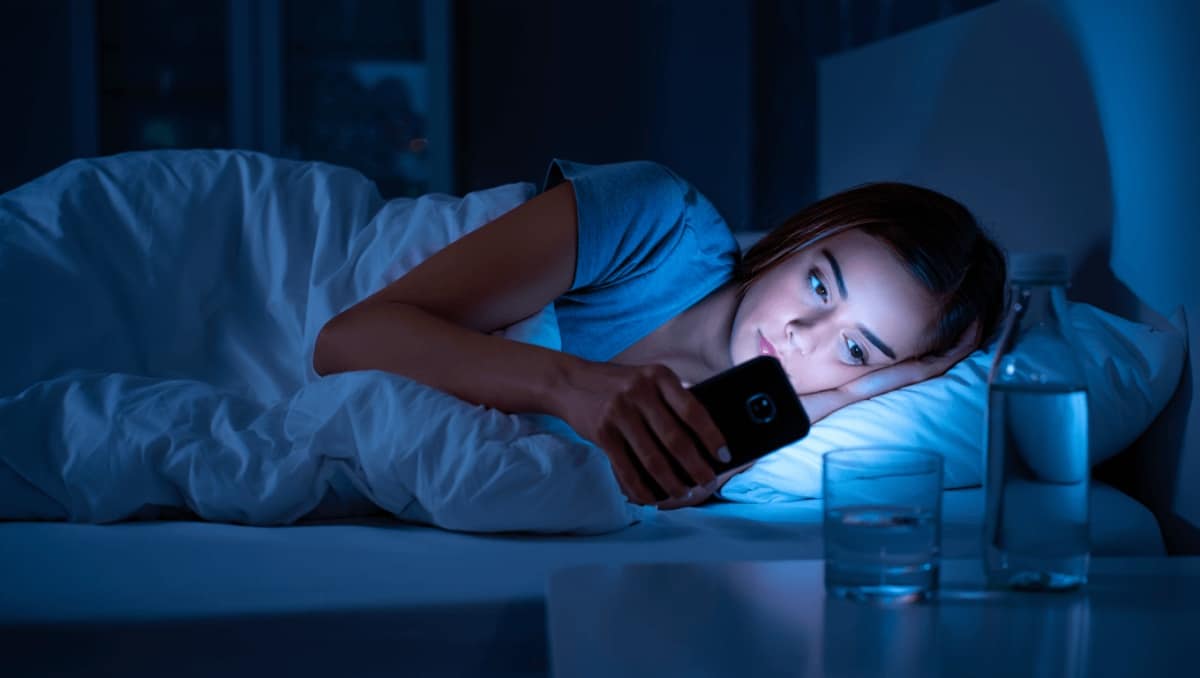
If sleepless nights have become routine, a simple habit could be the main reason: nighttime phone use. Dr. Wendy Troxel, a clinical psychologist and senior behavioral scientist at RAND, warns that screens and the content they deliver are the most common disruptors of sleep — a widespread behavior with immediate implications for how well people rest and function the next day.
Why phones have an outsized effect on sleep
Troxel, who studies sleep and behavior, says two forces work together to erode sleep quality. First, the short‑wavelength emissions from screens reduce production of melatonin, the hormone that helps signal the body that it is time to sleep. Second, the material we consume — especially social media and fast-moving feeds — is engineered to hold attention and often provokes emotional responses that are counterproductive to winding down.
Michael Page dropped from UFC rankings despite victory: what it means for his career
Viral video shows 81-year-old delivery worker struggling with heavy luggage
These effects are not theoretical. Troxel points out that the habit of using phones in bed is extremely common across the U.S., making any small impact widespread in its consequences.
Simple rules that make a measurable difference
Rather than urging people to eliminate phones entirely, Troxel recommends creating a practical boundary that raises the effort required to use the device at bedtime — a concept she describes as behavioral friction. The aim: break the automatic reflex to reach for the screen when the lights go out.
- Keep the phone more than arm’s length away while in bed — a physical separation reduces impulse checking.
- If you must use the phone, sit up with your feet on the floor rather than lying down; this separates the device from the sleep context.
- Establish a tech‑free wind‑down period (for example, 30–60 minutes before your intended sleep time).
- Use Do Not Disturb and silence nonessential notifications to limit interruptions that pull you back into alertness.
- Consider a separate alarm clock to remove the phone’s role as an overnight necessity.
Troxel emphasizes that adjusting the environment — not just relying on night modes or blue‑light filters — is key, because the content’s emotional pull can be as disruptive as the light itself.
What this means for everyday life
Sleep quality influences concentration, mood and daily performance. By making small, repeatable changes to how and where phones are used in the evening, people can reduce the factors that fragment sleep and increase the chances of falling asleep more quickly and staying asleep through the night.
Experts say the lowest‑effort, highest‑impact change is the one many find easiest to sustain: move the phone out of immediate reach. That extra step alone can turn an automatic habit into a deliberate choice — and for many, that is enough to restore a more restful night.