Show summary Hide summary
Teen drivers are appearing in northern Illinois traffic courts less often than they did years ago, a decline local officials partly link to the state’s graduated licensing system. But fewer citations do not, by themselves, show whether serious crashes have also become less common—and changing habits and the rising cost of owning a car may be contributing to the shift.
Laura Hall has watched the change from both sides of the courtroom. When she joined the La Salle County State’s Attorney’s Office in 2007, she regularly saw young drivers cited for errors soon after getting behind the wheel. Now the office’s chief deputy, Hall says those cases are far less frequent.
La Salle County’s annual traffic citations once reached about 25,000; within a decade, the total had dropped below 10,000. Kendall County’s caseload was cut roughly in half over nine years, while DeKalb County recorded a sixfold decline over 15 years.
Teen driving offenses plunge in Northern Illinois after 18 years of graduated licensing
NHL offseason: Free-agent signings and trades already drawing doubts
Hall credits graduated driver licensing with reducing violations among inexperienced motorists. DeKalb County Sheriff Andy Sullivan also supports the approach, particularly its emphasis on supervised driving, though he says its effect on serious crashes is difficult to determine.
How Illinois’ licensing stages work
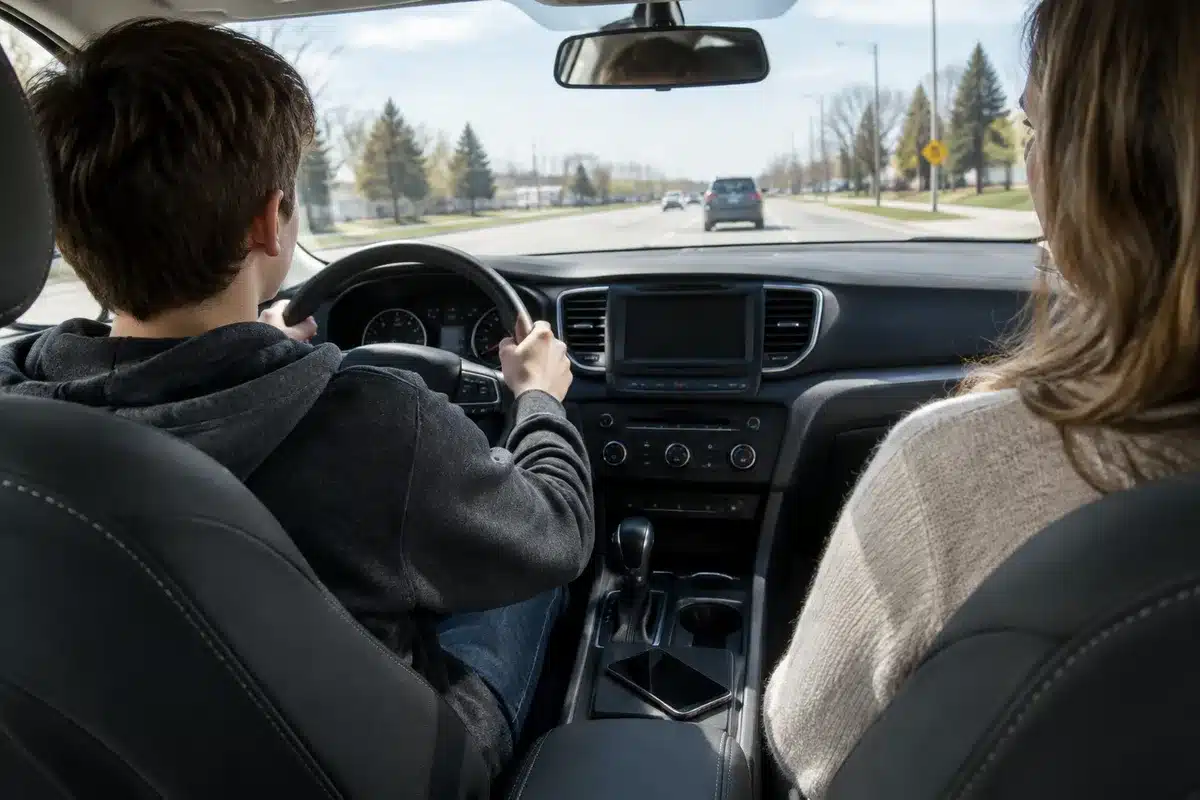
Illinois introduced its tiered licensing system in 2008. Rather than receiving unrestricted driving privileges at once, drivers typically progress through stages beginning with a learner’s permit. Each stage sets conditions for advancing, including limits on passengers and requirements for supervised practice.
The state increased the required behind-the-wheel practice from 10 hours to 50 hours. The system also allows consequences for violations, including action against a young driver’s permit.
- For the first 12 months after receiving a license, or until age 18—whichever comes first—a driver may generally carry only one passenger under 20.
- That restriction does not apply to certain close family members, including a sibling or child.
- After the initial period, passenger limits include one person in the front seat and no more passengers in the back than there are available seat belts.
The decline in tickets was gradual rather than immediate, Hall says. In DeKalb County, deputies issued four citations for graduated-license violations in 2026, compared with five the previous year. Sullivan estimates that deputies have issued about 110 such citations since the program began.
Distractions have changed
Passenger limits were designed in part to reduce distractions from friends in the car. But the sources of distraction have expanded: smartphones now make messages, social networks and other communications accessible from the driver’s seat.

Sullivan says both passengers and phones can divert a new driver’s attention. He argues that supervised practice can help establish safer habits, while emphasizing that drivers need to put their phones away.
Fewer young people may also be driving as often. Socializing and staying in touch no longer require meeting in person, while purchasing and maintaining a car can be a significant expense for families.
The cost of getting on the road
Used-car prices have risen substantially in recent years. Kelley Blue Book put the average used-car price above $27,000 in June 2026, adding to the financial hurdle for teenagers who might otherwise seek a car and a license.
E-bikes have become another option for shorter trips, offering some people a way to travel without buying a car. The shift may help explain why traffic citations have fallen, but the available figures do not isolate the effect of licensing rules from changes in technology, transportation costs or young people’s routines.