Show summary Hide summary
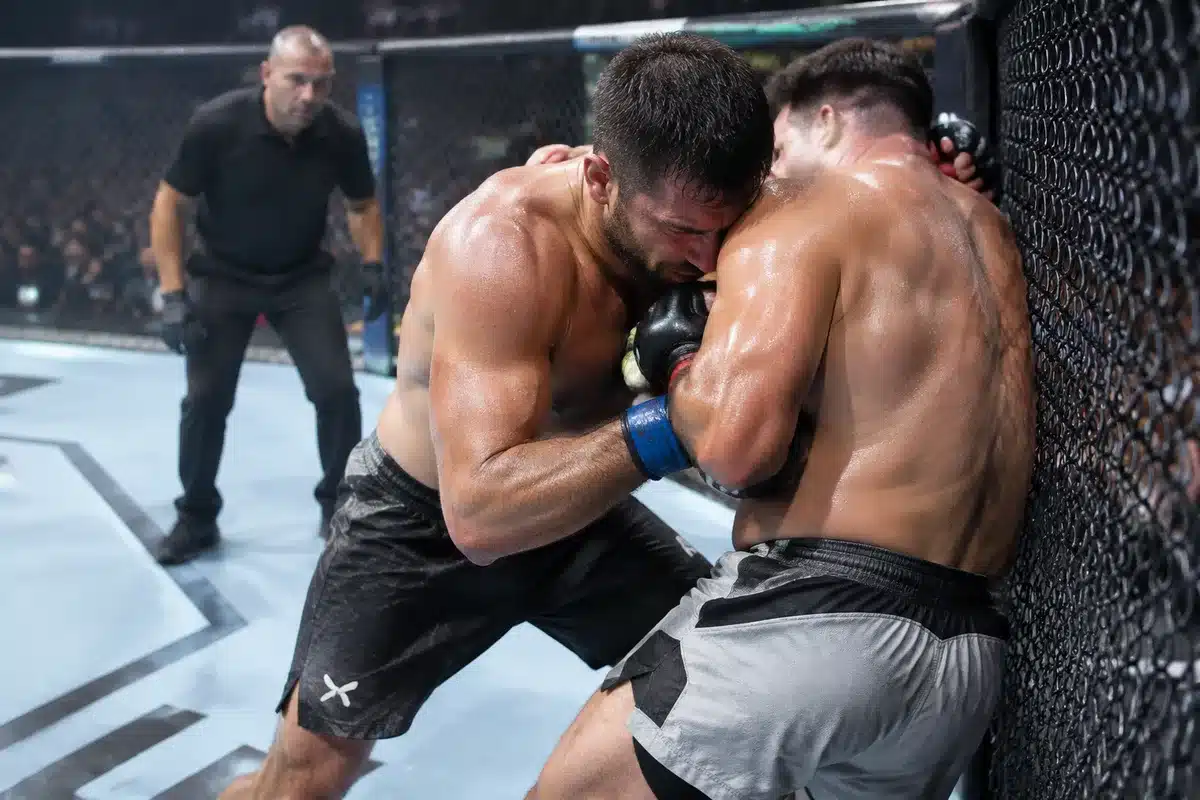
When Ciryl Gane and unbeaten Josh Hokit meet for the heavyweight title at Madison Square Garden on November 14, the clash will be as much tactical as physical. One man seeks to keep the cage open and score on the move; the other wants to turn open space into a grind—and Gane’s middling takedown resistance gives this fight a clear fault line.
Contrasting blueprints
Gane’s championship style is built on timing and mobility: he prefers to angle away, land counters and avoid extended exchanges. Hokit, meanwhile, brings relentless forward pressure and a wrestling base designed to shut down space and force close-quarters fighting.
Kankakee Masonic Lodge selects 2026-27 leaders: priorities shift to community outreach
UFC 334 odds and stakes: can Josh Hokit upset Ciryl Gane?
This matchup reads like a chess problem: can Hokit close distance often enough to make his wrestling the decisive factor, or will Gane’s lateral movement turn those attempts into wasted energy? The early rounds should reveal whether the challenger can impose a grappling rhythm without trading heavy shots to get there.
| Ciryl Gane | Josh Hokit | |
|---|---|---|
| Pro record | 14–2 (1 no contest) | 10–0 |
| Significant strikes landed per minute | 5.40 | 9.29 |
| Significant strikes absorbed per minute | 2.31 | 5.28 |
What the numbers imply
Hokit’s output is markedly higher, but that aggressiveness comes with a cost: he takes many more significant strikes while pushing forward. Gane’s lower absorption rate suggests an ability to avoid damage through movement, yet his recorded takedown defense (under 50%) makes him vulnerable against a high-volume wrestler.
Context matters: Gane’s figures come from a longer top-level sample, while Hokit’s UFC data are still limited. Past performance points to tendencies rather than certainties—Ngannou and Jon Jones both exposed grappling openings in different ways, and Hokit will try to turn those openings into control time and ground offense.
The wrestling variable
Hokit averages nearly four takedowns per 15 minutes in fights where he pushes the pace. That rate suggests he can feasibly make this a contest of scrambles and fence control. But successful takedowns depend on timing, setup, and what happens immediately after—the scramble, the hand-fighting, the breaks in momentum.

For Gane, escaping promptly and returning the bout to range could be as decisive as denying the initial shot. The champion’s durability under prolonged wrestling pressure is unproven at the very highest level, which elevates the importance of the first extended clinch or wall-walk sequence.
- Rounds 1–2: Expect high tempo from Hokit as he tests entries; Gane will look to counter and make him miss.
- Middle frames: If takedowns accumulate, the champion’s recovery and scrambling will shape whether Hokit can control rounds.
- Late rounds: Endurance and breath control could swing tight exchanges—does Hokit keep his pressure without becoming a bigger target?
Card context and wider stakes
This title fight headlines a card that also features Kayla Harrison, who brings two Olympic judo golds into a rematch with Amanda Nunes, the former champion who returned to competition after stepping away in mid‑2023. Their bout raises separate questions about transition from elite amateur grappling to long-term MMA dominance.
Elsewhere on the bill, Uros Medic’s recent streak—several first-round stoppages—meets Kevin Holland, a durable veteran who has avoided knockout losses throughout his career. Those undercard storylines add depth to an evening that could reshape divisions depending on the outcomes.
At stake in the main event is more than a belt: victory for Hokit would validate a fast track from prospect to marquee star via a wrestling-heavy approach, while a Gane win would affirm mobility and defensive striking as a sustainable path for champions facing dangerous rushers. For fans and rankings, the result will clarify how modern heavyweights blend power, pace and positional control.