
Show summary Hide summary
UFC 333 lands at Abu Dhabi’s Etihad Arena on Saturday, October 24, with two championship fights that could reshape the divisions. The night pits established champions against relentless challengers, and several undercard bouts promise consequential matchups for future title contention.
Title fights present contrasting puzzles
The headliner, Alexander Volkanovski vs. Movsar Evloev, is a classic clash of styles: a tactically savvy striker who adjusts mid-fight against an unbeaten wrestler with crisp scrambling and nonstop pressure. Evloev’s spotless record and takedown craft will test Volkanovski’s ability to control distance and avoid being dragged into repeated grappling sequences.
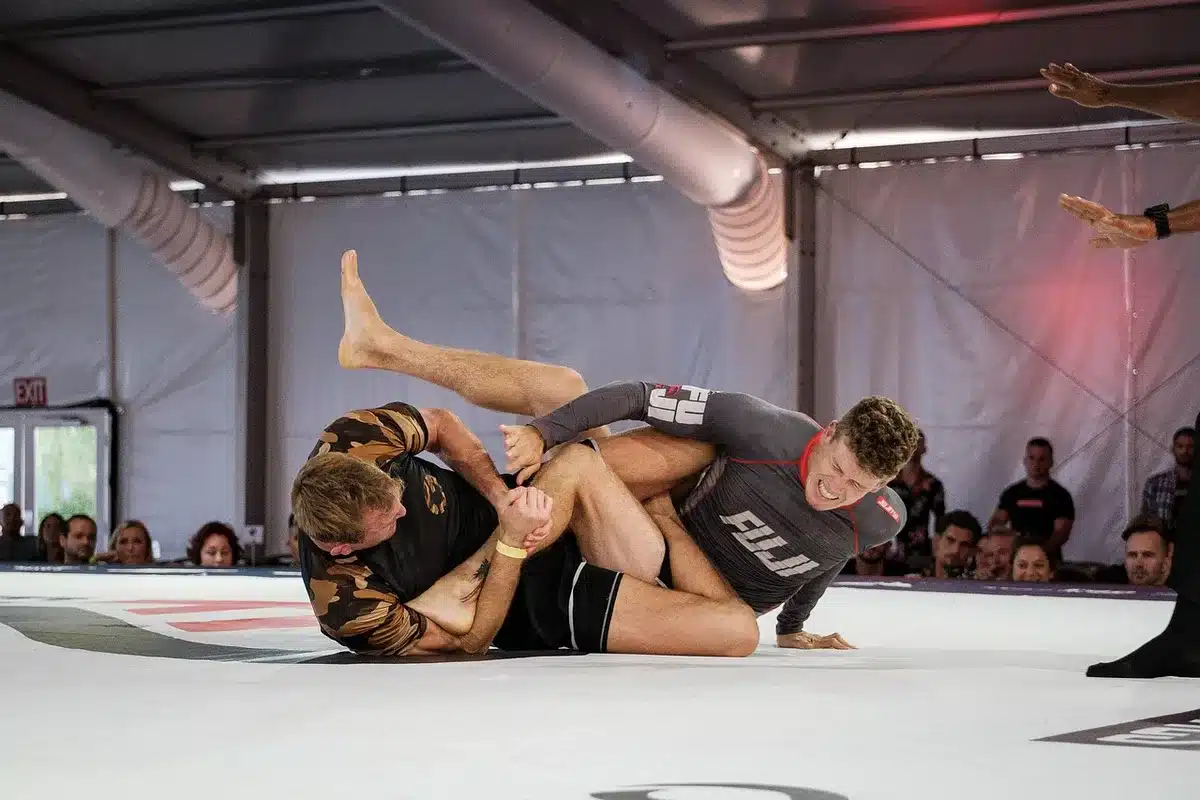
Key for the champion will be turning defensive moments into offensive opportunities — not merely stopping a shot but quickly reestablishing range and momentum so the bout doesn’t become a series of brief escapes. Evloev, meanwhile, must convert activity into tangible damage or dominant positions rather than relying on volume alone.
Kankakee no-bid roofing contracts draw mayor’s scrutiny
UFC 333: stats show how Volkanovski and Evloev match up
Age and durability are subtle but real variables. At 38, Volkanovski’s ring IQ is an asset, but physical wear could influence how he handles sustained pressure late in the fight. Evloev should avoid treating the contest like a straight cardio test; smart pacing and selective attacks could prove decisive.
The co-main, Petr Yan vs. Merab Dvalishvili, is a trilogy decider centered on whether precision striking can neutralize a nonstop wrestling machine. Yan’s pathway likely runs through short, damaging counters and body work designed to disrupt takedown entries and force restarts on his terms.
Dvalishvili needs the opposite formula: turn striking exchanges into clinches, clinches into shots, and shots into constant forward pressure. The pivotal moment to watch is whether Yan can finish combinations and escape without giving the challenger an immediate path back to a takedown.
Main card dynamics — three distinct storylines
Lone’r Kavanagh vs. Ramazan Temirov at flyweight should be fast and frenetic. The matchup rewards composure: the fighter who maintains balance while pressing pace and avoids overextension will likely control the most significant exchanges.
In the heavyweight bout, Alexander Volkov faces Rizvan Kuniev. Volkov benefits from managing distance and forcing Kuniev to engage across dangerous territory, while Kuniev will aim to crowd the taller man and sap his rhythm through physical pressure.
Aaron Pico vs. Losene Keita closes the main card at featherweight. This one tests restraint as much as aggression; Pico gains more by using wrestling threats to create striking openings than by charging recklessly, while Keita must stay unpredictable enough to avoid telegraphing takedown setups.
- What to watch in Abu Dhabi:
- Whether Volkanovski can neutralize repeated takedown chains and keep the fight at his preferred range.
- Yan’s ability to land clean, fight-altering shots without becoming vulnerable to immediate returns.
- Which undercard contenders seize momentum that could lead to top-15 rankings or title eliminators.
- Immediate consequences:
- Successful title defenses would cement legacy and influence future matchmaking at featherweight and bantamweight.
- Upsets could abruptly shift contender threads and accelerate title-picture changes over the next year.
The undercard demands attention
Beyond the main card, the prelims carry meaningful weight. Several rising fighters face matchups that could define their next 12 months—either a push toward ranked competition or a stall in momentum. Expect tactical, high-stakes moments rather than throwaway rounds.
Across styles and weight classes, the card presents tests of adaptability: wrestlers versus technicians, speed against power, and veterans balancing craft with the wear of long careers. For fans and analysts, UFC 333 will reveal which champions remain fully in control and which contenders have truly arrived.