Show summary Hide summary
Many people trying to shrink stubborn belly fat push protein intake to the max, believing more equals faster results. A growing number of physicians and nutrition experts say that approach can be counterproductive — and that the real gains come from balance, not excess.
Why more protein can backfire
Protein does support weight loss: it increases fullness, helps preserve muscle during calorie cutting, and raises metabolic cost slightly. But eating protein without regard for total calories or food quality can stall progress. Excess protein still adds energy, and when calorie intake remains high, the body can store the surplus as fat — including around the abdomen.
Marta Perales, Kankakee County board hopeful: 2026 questionnaire reveals her top priorities
Case Keenum powers Bears past Eagles: late heroics fuel Chicago win

Another drawback is displacement. When someone piles protein onto every meal, it can push out vegetables, whole grains and other sources of fiber and micronutrients that help regulate appetite and blood sugar. Over time that shift can undermine metabolic health even if protein aims to be the “leaning” factor.
How much is reasonable?
There is no one-size-fits-all target, but most clinicians supporting fat loss suggest a moderate increase above standard minimums rather than extreme amounts. For many adults trying to lose weight, a commonly cited range is roughly 1.2 to 1.6 grams per kilogram of body weight per day — enough to protect muscle without encouraging excess calories. The official minimum intake to avoid deficiency remains about 0.8 g/kg, but needs rise with activity and age.

People with chronic kidney disease or other medical conditions should not increase protein without medical guidance. For healthy individuals, the bigger risk from too much protein is practical: higher-calorie meals and missed nutrients, not immediate organ damage.
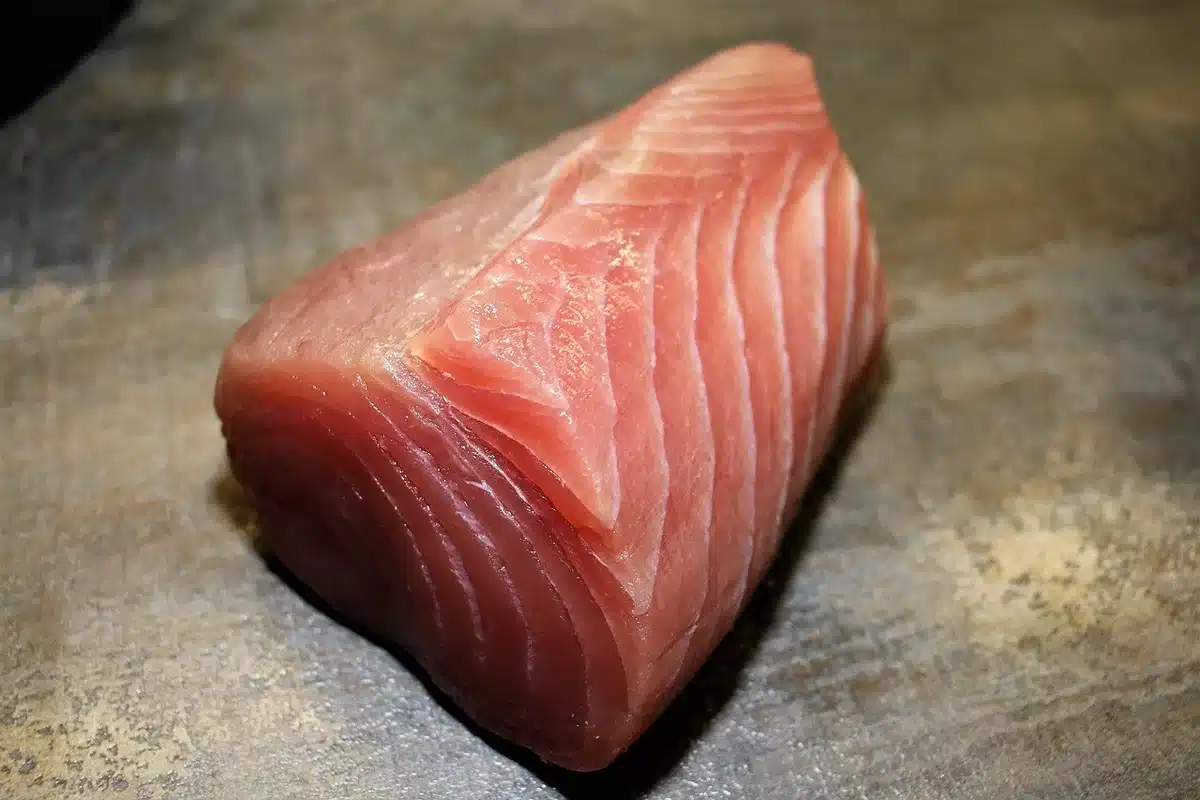
Portion control matters. A palm-sized serving of cooked lean meat or fish (about 20–30 grams of protein) at each meal is often adequate when combined with smart carbohydrate and fat choices.
- Spread protein across meals — distributing intake helps stimulate muscle protein synthesis throughout the day and improves satiety.
- Prioritize whole foods — lean fish, poultry, legumes, dairy and tofu provide protein plus vitamins and minerals; supplements should not replace balanced meals.
- Pair protein with fiber and healthy fats — that combo supports blood sugar stability and longer fullness.
- Track overall calories if fat loss is the goal — even high-protein diets require a calorie deficit to reduce fat stores.
- Combine with resistance training — building or preserving muscle changes body composition and supports long-term fat loss.
Timing and composition influence results as much as totals. A protein-heavy snack after resistance exercise, for example, helps recovery and lean mass maintenance. Conversely, guzzling protein shakes between meals while eating large portions can negate any benefit.
What to watch for and when to seek help
Signs that protein intake may be excessive include unexplained weight gain, fatigue if you’re missing carbohydrates needed for workouts, or a pattern of meals low in plant foods. Routine bloodwork can detect changes in kidney markers, lipids or other indicators that warrant professional attention.
If your goal is specifically to reduce abdominal fat, the most reliable strategy combines a modest calorie deficit, increased daily movement, targeted strength training and a balanced macronutrient mix — not simply piling on protein. A registered dietitian or your primary care doctor can translate your activity level, age and medical history into a safe, sustainable protein plan.
In short: protein is a useful tool for losing belly fat, but more is not always better. Thoughtful portions, balanced meals and consistent exercise produce clearer, longer-lasting results than chasing ever-higher protein totals.