About 6 million children in the United States now live in households with at least one person who uses cannabis every day, according to a new analysis of recent national survey data — a shift that matters as more states loosen restrictions and as patterns of use change. The finding raises immediate questions about secondhand exposure, accidental ingestion and how parents and policymakers should respond.
Researchers reached the figure by examining large-scale health and substance-use surveys collected over recent years. While the study does not prove direct harms to children in every household, authors flag several concerns that make the trend important for public health officials, pediatricians and families.
Daily adult cannabis use in a home can have multiple implications:
Kankakee no-bid roofing contracts draw mayor’s scrutiny
UFC 333: stats show how Volkanovski and Evloev match up
- Secondhand smoke: Indoor smoking exposes non-users to particulate matter and volatile compounds that can irritate airways and may aggravate asthma in children.
- Edible products: Packaged cannabis foods closely resemble candy and snacks, increasing the risk of accidental ingestion by young children if storage is insecure.
- Normalization and access: Frequent use by adults can change children’s perceptions of risk and potentially increase the likelihood of early experimentation in adolescence.
Patterns in the data suggest the number of children affected has grown alongside broader changes in cannabis policy and commercial availability, though the analysis emphasizes that regional and socioeconomic differences are important. In states with legal adult-use markets, researchers noted higher reported rates of daily use among household adults — a pattern consistent with increased access, but not necessarily with increased harm to children.
What the evidence does and does not show
Direct links between parental cannabis use and long-term child health or developmental outcomes remain an active area of study. Clinical and observational research has documented short-term harms from inhaled smoke and from accidental pediatric ingestion of high-dose edibles, but long-term causal pathways—especially at household-use levels—are complex and influenced by many factors including tobacco use, alcohol, household environment and access to care.

Implications for parents and policymakers
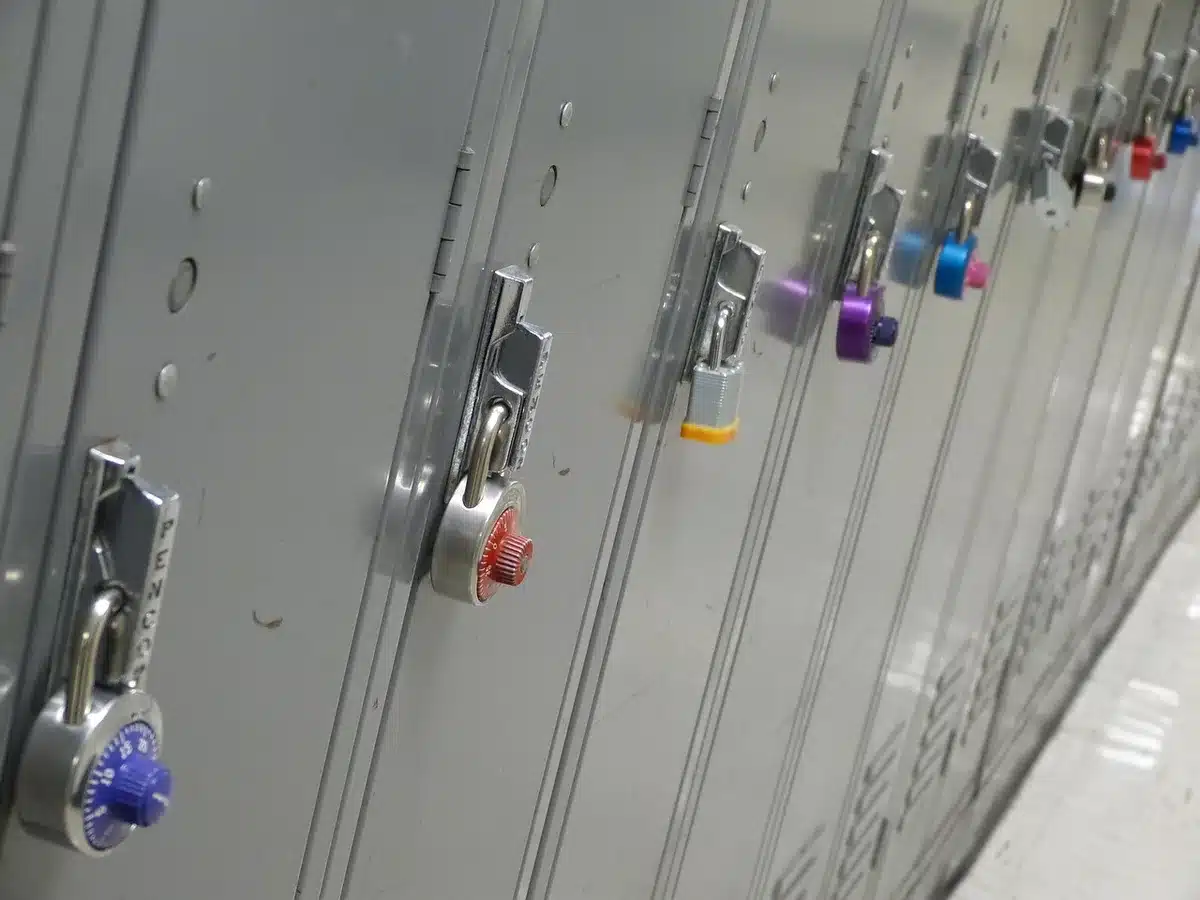
Experts consulted in connection with the study urged practical steps: keep products locked and out of sight; follow child-resistant packaging rules; avoid smoking indoors around children; and discuss substance use openly with pediatric clinicians. At the policy level, the authors recommend stronger surveillance to track pediatric exposures and more targeted public education where retail markets exist.
Why this matters now
The presence of millions of children in homes with daily adult cannabis use intersects with a period of rapid policy change and product innovation. As new forms of concentrates and edibles reach the market, public-health officials say vigilance is needed to prevent unintended pediatric harms while continuing to study broader social and developmental effects.
Key takeaways
- Scope: Roughly 6 million U.S. children live with daily adult cannabis users, per the new analysis.
- Risks: Main concerns are secondhand smoke, accidental ingestion of edibles, and shifting social norms.
- Action: Greater surveillance, clear storage guidance for families, and continued research are priorities.
Researchers stress that numbers alone do not determine outcomes; they call for ongoing monitoring, routine screening in pediatric care when appropriate, and public health campaigns tailored to communities experiencing the greatest exposure.